






Understanding Your Inner Rhythm
Deep inside every one of us, a master clock is ticking. Located in the brain, this master clock, known as the suprachiasmatic nucleus (SCN), coordinates countless biological processes over a roughly 24-hour cycle. This is your circadian rhythm, the body’s
internal timekeeper responsible for managing your sleep-wake cycle, hormone release, metabolism, and much more. This central clock is primarily synced by light exposure. However, it’s not the only clock in town. Nearly every organ and even individual cells have their own peripheral clocks that need to stay synchronized with the master version to ensure your body functions like a well-rehearsed orchestra. When these rhythms are disrupted—by things like shift work, jet lag, or even just inconsistent sleep schedules—the harmony is broken, leading to a cascade of potential health issues.
Meet Your Gut's Ecosystem
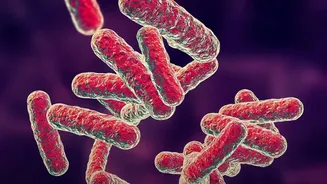
Your gut is home to a bustling metropolis of trillions of microorganisms, including bacteria, viruses, and fungi, collectively known as the gut microbiome. This complex ecosystem is far from passive; it plays a crucial role in your digestion, immune function, and even your mental health. A healthy, diverse microbiome helps break down food your body can't digest on its own, produces essential vitamins, and protects you from harmful pathogens. Research has shown that, just like us, these gut microbes have their own daily rhythms. The population and activity of different bacterial species fluctuate throughout the day and night, influenced largely by our eating patterns—the 'when' we eat, not just the 'what'.
A Two-Way Conversation
The most exciting new discoveries lie in the bidirectional relationship between our circadian rhythm and our gut microbiome. It’s a classic chicken-and-egg scenario. Your body's master clock helps regulate digestive processes like gut motility, creating a rhythmic environment that shapes the microbial community. In turn, the metabolites produced by your gut bacteria—like short-chain fatty acids (SCFAs) such as butyrate—can enter the bloodstream and directly influence the clock genes in your cells, effectively talking back to your body clock. This means a disruption in one system can create a feedback loop that throws the other off kilter. For example, irregular sleep can alter your gut flora, and an imbalanced gut can interfere with your sleep quality.
When The Timing Is Off
When your internal clock and your lifestyle are misaligned, the consequences can be significant. Recent studies show that this circadian misalignment, often caused by late-night eating or erratic sleep, is linked to a host of metabolic problems, including an increased risk of obesity, type 2 diabetes, and cardiovascular disease. The research increasingly points to the gut as a key player. One 2026 study published in the journal iScience found that people with late sleep and eating patterns had altered gut bacteria and a more permeable gut lining, sometimes called 'leaky gut'. This can allow inflammatory molecules to enter the bloodstream, contributing to the chronic, low-grade inflammation associated with metabolic syndrome. Put simply, disrupting your body clock can disrupt your gut, which can then fuel inflammation and metabolic dysfunction.
How to Resynchronize Your System
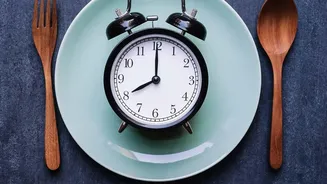
The good news is that this knowledge empowers us to make simple, effective changes. The emerging field of 'chrononutrition' focuses on aligning our eating patterns with our internal clocks to support health. The key is consistency. Try to maintain a regular sleep-wake schedule, even on weekends, to keep your master clock stable. Aim to eat your meals around the same time each day within a consistent window, which helps 'train' the rhythms of your gut microbes. Front-loading your calories toward the earlier part of the day, when your body is more insulin-sensitive and better prepared to handle energy, may also be beneficial. Conversely, avoiding large, heavy meals late at night gives your digestive system a much-needed break to perform its repair and restoration duties overnight.