



The End of Calorie Fixation
For years, the wellness narrative was dominated by a simple, yet punishing, formula: calories in versus calories out. Apps were downloaded, meals were meticulously logged, and a sense of guilt often accompanied eating anything 'off-plan'. While tracking
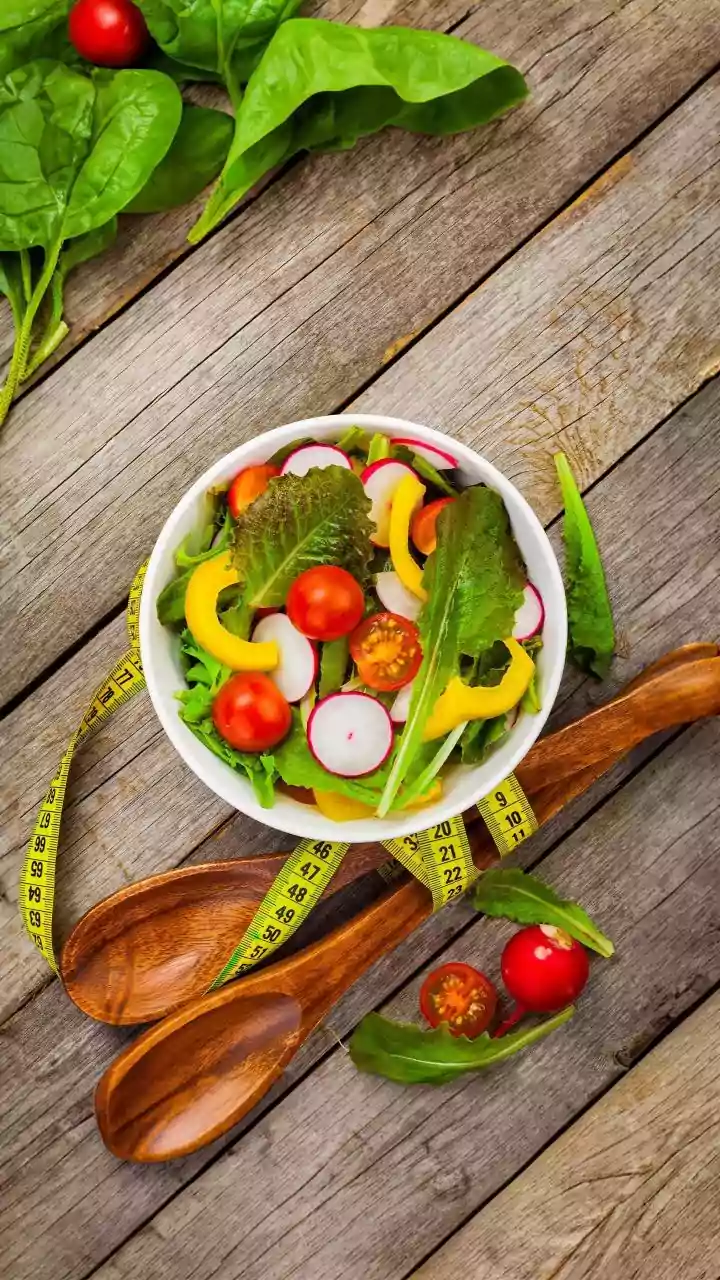
can be a tool, for many it became an obsession that led to anxiety and an unhealthy relationship with food. Experts note that this fixation can lead to nutrient deficiencies, fatigue, and hormonal imbalances. Recognizing this, many young people are now moving away from the rigid math of calorie counting and embracing a more intuitive approach to eating that prioritizes how they feel, not just what the numbers say.
Why Fibre Is the New Wellness Hero
So, why the sudden focus on fibre? This carbohydrate isn't just for preventing constipation. It's a powerhouse for overall health. Dietary fibre helps regulate blood sugar levels by slowing the absorption of sugar, which is crucial for managing energy slumps and is particularly important in a country with rising diabetes rates. It also plays a key role in maintaining a healthy weight by promoting a feeling of fullness, which helps control appetite. Furthermore, certain fibres can help lower cholesterol levels. This shift aligns with a growing understanding that a healthy gut is the foundation of overall well-being, influencing everything from immunity to mood.
The Gut Health Awakening
The conversation around fibre is intrinsically linked to the explosion of interest in 'gut health'. Once a niche topic, the gut microbiome is now a mainstream wellness concern, especially among millennials and Gen Z in India. Social media is abuzz with discussions about probiotics, prebiotics, and fermented foods, all of which support a healthy gut. This trend reflects a move towards preventative and holistic health, where the goal is not just to treat symptoms but to address the root cause of issues like bloating, acne, and low energy. Young Indians are increasingly connecting the dots between their digestive health and their overall physical and mental state, turning to food as a form of medicine.
What It Looks Like on an Indian Plate
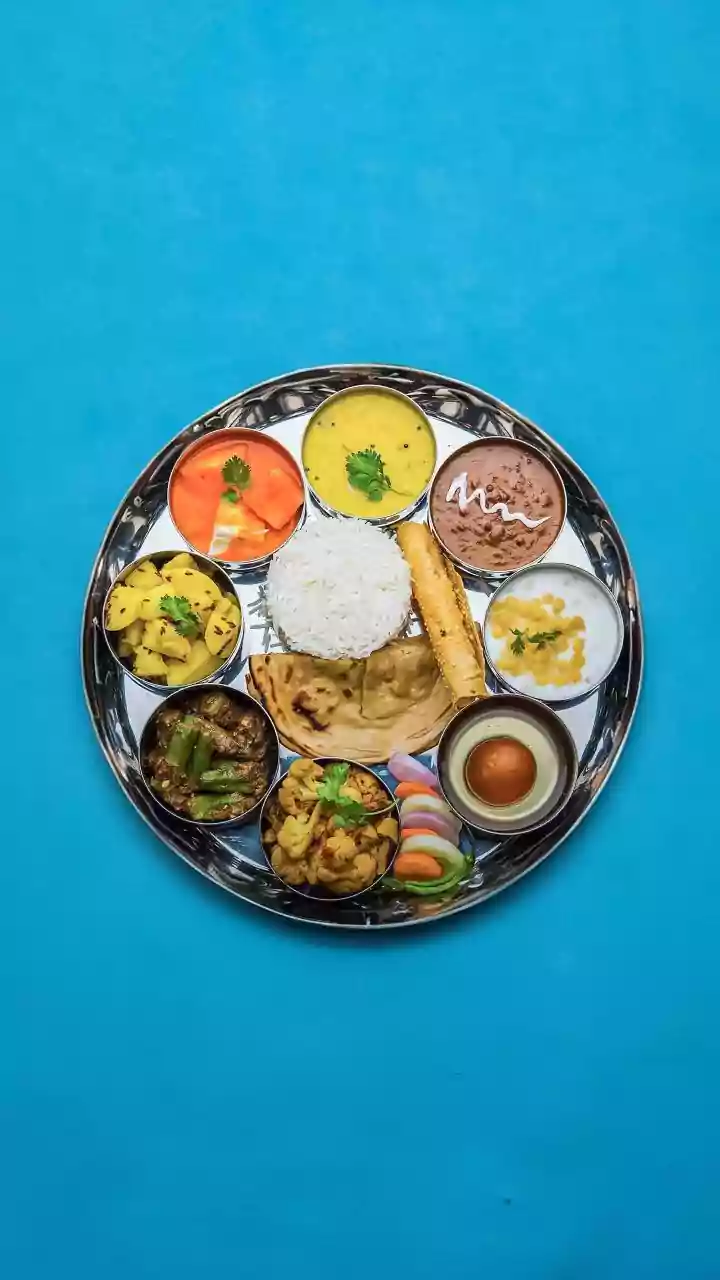
The good news is that embracing a high-fibre diet doesn't require exotic or expensive ingredients. In fact, it often means returning to traditional Indian food wisdom. Many staple Indian foods are naturally rich in fibre. The focus is shifting from refined grains like maida and white rice back to whole grains like millets (jowar, bajra, ragi), brown rice, and whole wheat. Legumes and pulses such as dal, chana, and rajma are being celebrated not just for their protein content but for their impressive fibre contribution. Nutritionists recommend making vegetables at least half of your lunch and dinner plate and adding a daily serving of seasonal fruit with the skin on. Simple swaps—like choosing a guava over grapes or a side of cooked chana instead of just cucumber—can significantly boost daily fibre intake.
A Smarter, Kinder Approach to Health
While experts recommend a daily intake of 25-38 grams of fibre, most urban Indians currently consume only about 10-15 grams. This gap highlights a lack of awareness that is now being addressed by this new wave of health consciousness. Rather than being driven by restrictive rules, this trend is about nourishment and listening to your body. It's a move away from the 'diet culture' that often promotes quick fixes and towards building sustainable, long-term healthy habits. It champions feeling good, having more energy, and supporting the body's natural functions. By focusing on adding fibre-rich, nutrient-dense foods instead of just subtracting calories, young Indians are fostering a more positive and empowering relationship with what they eat.