




Prep Your Car Before the First Downpour
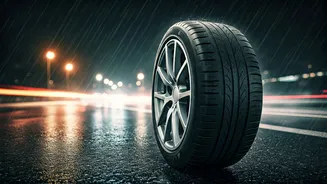
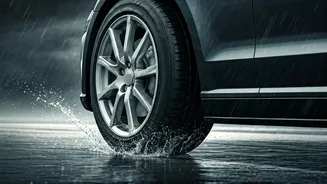
The secret to a stress-free monsoon drive begins long before you turn the key. A pre-season check-up is non-negotiable. Your first stop should be the tyres. Ensure they have adequate tread depth—at least 3mm is recommended for wet conditions. Proper tread channels
water away from the tyre, preventing dangerous skids. Also, check for correct tyre pressure, as under-inflated tyres can aquaplane more easily. Next, test your brakes. They shouldn't feel spongy or make grinding noises. Your battery should also be in good health, as the increased use of wipers, lights, and the defogger puts extra strain on it. A well-prepared car is a predictable car, which is exactly what you need when the weather is not.
Master Your Visibility, Master the Road
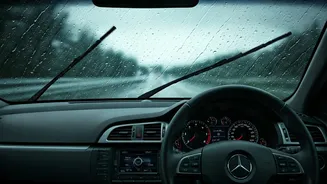
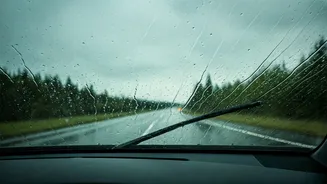
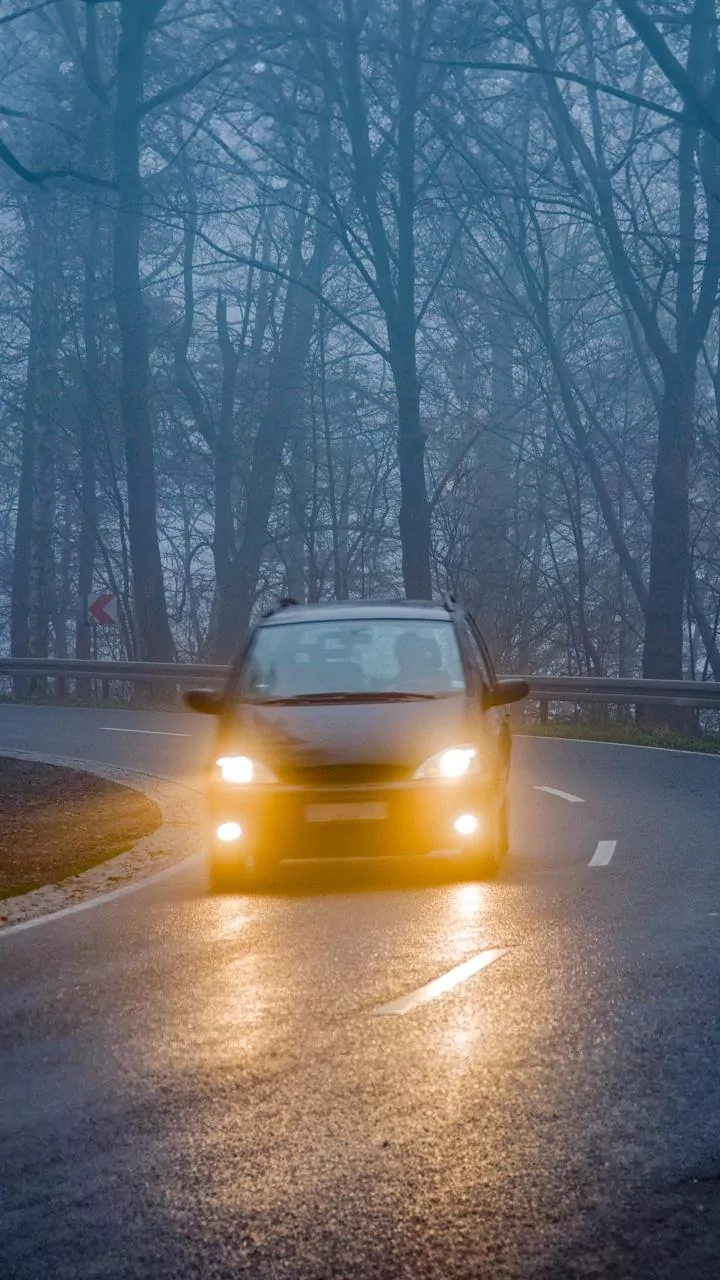
If you can't see, you can't drive safely. Replace your wiper blades if they leave streaks or make scraping sounds. A new pair is a small investment for a massive improvement in visibility. Top up your windshield washer fluid, perhaps with a fluid that helps repel rain. Inside the car, fog is your enemy. Before you set off, learn how to use your car's defogger/demister settings effectively. Turn on the air conditioner and direct the airflow to the windshield. This dry air is the fastest way to clear a fogged-up screen. Most importantly, turn on your headlights. Even in light rain or during the day, having your low-beam headlights on makes you significantly more visible to other drivers and pedestrians.
The Golden Rule: Slow Down
It’s the simplest advice, and the most critical. Rainwater mixes with oil and grime on the road, creating a slick surface that drastically reduces traction. Your car will take longer to stop and will be more prone to skidding. Reduce your speed by at least one-third of the normal pace. This gives you more time to react to hazards, like a pothole hidden under a puddle or a vehicle suddenly braking ahead. Increase your following distance from the car in front. The standard 'three-second rule' should be doubled to a 'six-second rule' in the rain. This buffer is your best defence against sudden stops and rear-end collisions.
Handling a Hydroplaning Scare
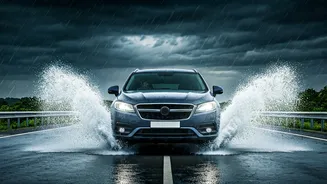
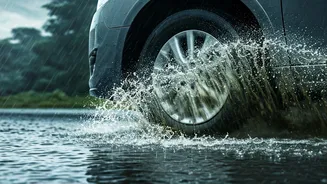
Hydroplaning (or aquaplaning) is when your tyres lose contact with the road and skim on a layer of water. It can feel like you're suddenly floating, and steering becomes unresponsive. The natural instinct is to panic and slam the brakes, but this is the worst thing to do. If you feel your car start to hydroplane, do not brake or turn the wheel sharply. Instead, take your foot off the accelerator smoothly. Keep the steering wheel straight. As the car slows down, the tyres should regain contact with the road surface. Gentle, calm inputs are key to recovering control without spinning out.
Navigating Waterlogged Streets
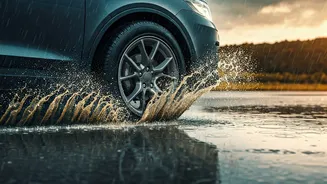
Encountering a flooded road is a common monsoon challenge. First, try to avoid it altogether if you can. If you must proceed, assess the depth. If the water is higher than the bottom of your car doors, it's safest to turn back. Driving through deep water can flood your engine's air intake, causing catastrophic damage. If you decide it's shallow enough, drive through slowly and steadily in a low gear (first or second) to keep your engine RPMs high. This helps prevent water from entering the exhaust pipe. Avoid splashing and creating a 'bow wave'. Once you're through, gently tap your brakes a few times to dry them out and ensure they are working correctly.
Be Smooth, Be Seen, Be Patient
All your inputs—steering, braking, and accelerating—should be smooth and gentle. Abrupt manoeuvres can easily unsettle the car on a wet surface. Avoid using cruise control, as it can prevent you from reacting quickly if you start to hydroplane. Be extra cautious of pedestrians and two-wheelers, who are more vulnerable in the rain and may behave unpredictably. Finally, accept that your journey will take longer. Rushing in the rain is a recipe for disaster. Put on some calming music, take a deep breath, and prioritize arriving safely over arriving quickly.