



Beyond the Balcony View
For decades, the monsoon was a season of domestic comfort. It was a time for family, for watching the rain from a window, and for putting travel plans on hold. The logic was simple: roads could be treacherous, views obscured, and outdoor activities limited.
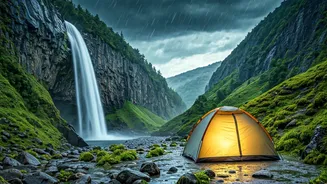
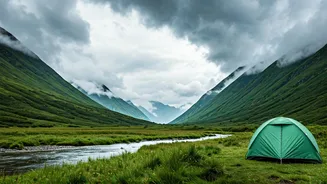
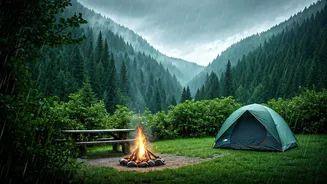
But this long-held perspective is being enthusiastically challenged. Today’s youth are not just tolerating the monsoon; they are actively seeking it out. Instead of cancelling plans, they are making them specifically for the rainy season. This isn't about enduring the damp, but about embracing the drama, beauty, and unique atmosphere that only a monsoon-drenched landscape can offer. It represents a fundamental shift from passive observation to active participation.
The New Monsoon Hotspots
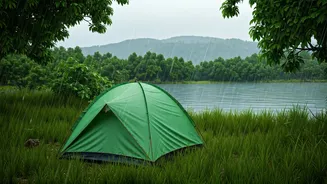
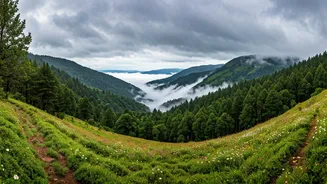
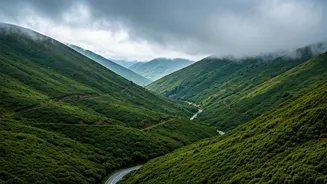
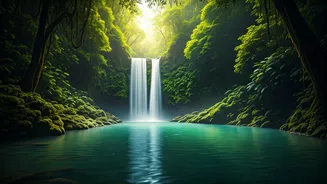
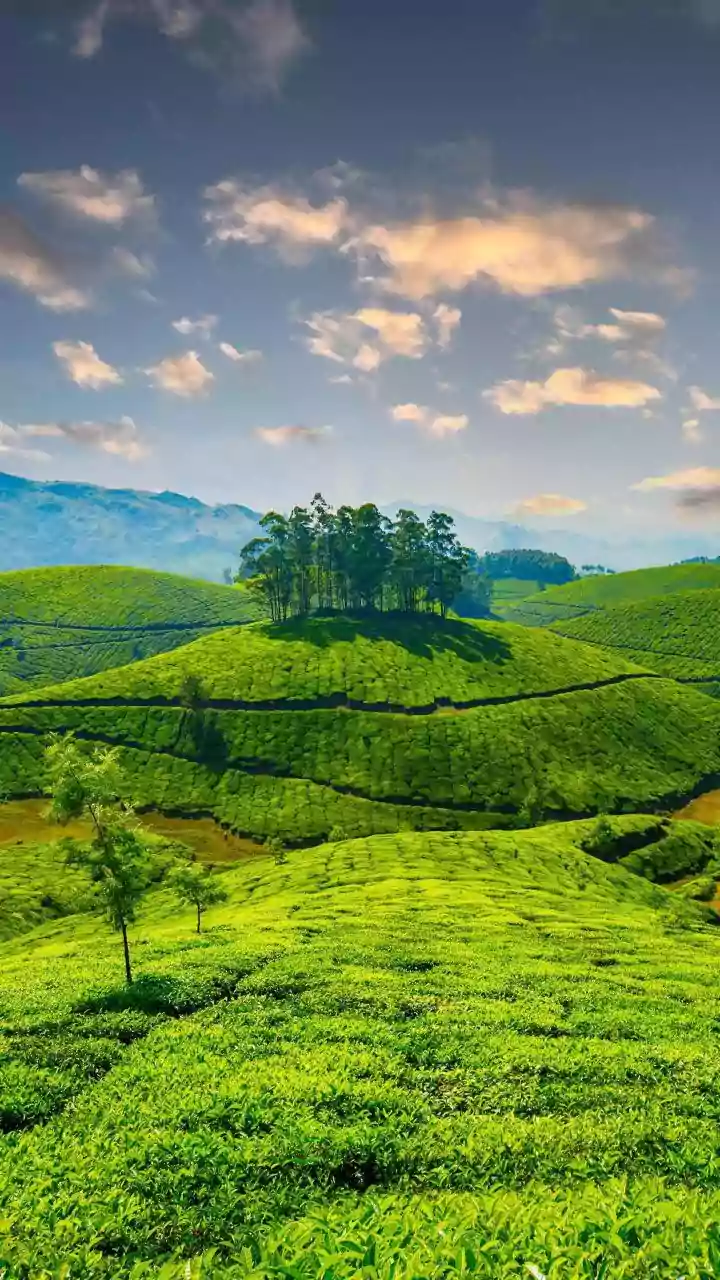
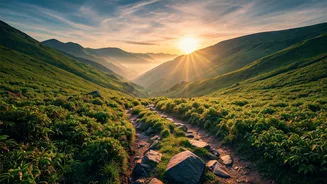
Forget the traditional beach destinations that go quiet during the rains. The new monsoon map is dotted with locations that come alive with the first showers. The Western Ghats, particularly stretches in Maharashtra like Lonavala, Malshej Ghat, and Bhandardara, have become pilgrimage sites for weekend trekkers from Mumbai and Pune. Treks to ancient forts like Lohagad and Visapur become more challenging and visually stunning with cascading waterfalls and lush greenery. Down south, destinations like Coorg and Wayanad in Karnataka and Kerala transform into verdant paradises, with homestays and resorts offering misty morning views and the constant, soothing sound of rain. Even the Aravalli Range in Rajasthan, around Udaipur and Mount Abu, takes on a surprising green hue, attracting young crowds looking for a different flavour of the monsoon.
Driven by Aesthetics and Adrenaline
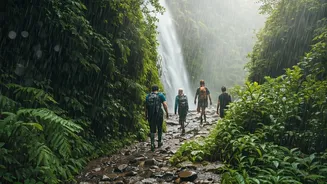
What’s fueling this exodus? A powerful combination of social media aesthetics and a thirst for authentic experiences. The monsoon provides a dramatic, moody backdrop that is perfect for Instagram Reels and photo dumps. The hashtag #MonsoonTrek is filled with videos of friends navigating misty trails, splashing through streams, and posing triumphantly against a backdrop of clouds and waterfalls. This isn’t just vanity; it’s a form of digital storytelling. Beyond the screen, there's a growing desire for adrenaline and a connection with nature. Activities like waterfall rappelling, river rafting in newly swollen rivers, and simply completing a tough, slippery trek offer a sense of accomplishment that a city weekend can’t match. It’s a physical and mental reset, a way to feel alive and disconnected from the urban grind.
The Rise of the Spontaneous Getaway
This trend is also powered by logistics and economics. These aren't long, meticulously planned holidays. They are often impulsive, two- or three-day trips. The rise of car ownership, better road connectivity, and a plethora of online travel aggregators make it easier than ever to book a last-minute homestay or a seat in a shared cab. The financial barrier is also lower. A monsoon trek is significantly cheaper than a flight to a far-flung destination. Many of these getaways are budget-friendly, focused more on the experience than on luxury accommodation. This accessibility democratises travel, allowing students and young professionals to explore their own backyards without breaking the bank. It fosters a culture of spontaneity, where a promising weather forecast on a Friday can lead to an adventure by Saturday morning.