





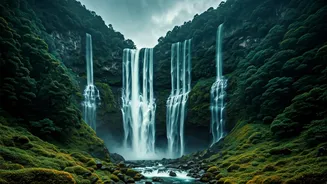


A City Washed in Green and Mist
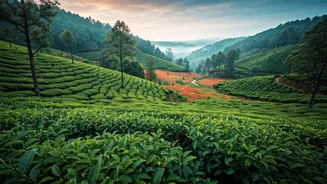
During the monsoon, Shillong sheds its sunny disposition for something more mystical. A constant, gentle mist drapes the pine-covered hills, and the entire landscape turns a brilliant, impossible shade of green. The colonial-era architecture in areas
like Police Bazar and Laitumkhrah glistens under the steady drizzle, creating a moody, romantic atmosphere that feels worlds away from the summer heat. Even a simple walk around Ward's Lake becomes a serene experience, with the patter of rain on the water and the vibrant flowers in the surrounding gardens looking their absolute best. It’s a time when the city slows down, inviting you to simply sit by a window and watch the clouds roll in like waves over the hills.
Waterfalls in Their Full Glory
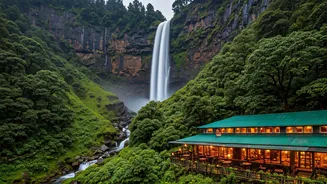
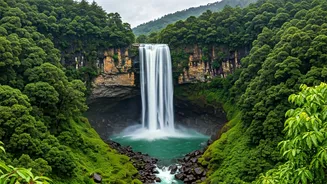
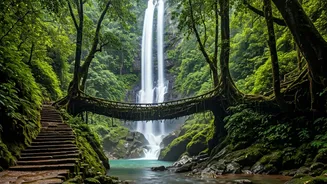
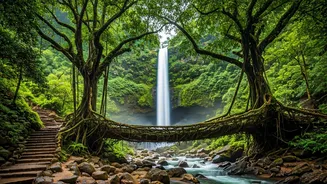
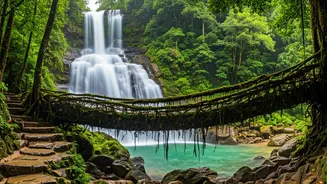
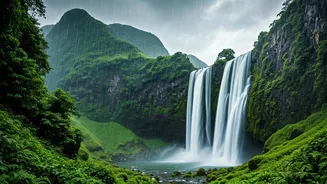
The true stars of Shillong’s monsoon are its waterfalls. The persistent rains feed the rivers and streams, turning gentle cascades into roaring, powerful spectacles. Elephant Falls, one of the most popular spots, becomes a thunderous three-tiered marvel, with walkways allowing you to experience its force up close. Nearby, the twin cascades of Bishop and Beadon Falls plunge into a deep, forested gorge, creating a stunning, less-crowded vista. For those willing to drive a bit further towards Cherrapunji, the legendary Nohkalikai Falls—India’s tallest plunge waterfall—and the Seven Sisters Falls are at their most voluminous and breathtaking. The sound of the gushing water and the spray in the air is an experience that truly defines the region’s raw, natural power.
The Comfort of Cozy Cafes
When the rain becomes a downpour, there’s no better refuge than one of Shillong’s many charming cafes. The city has a thriving café culture, perfect for whiling away a rainy afternoon. Places like Dylan's Café, a tribute to the legendary musician, offer a warm, buzzing atmosphere in the heart of the town. For a different vibe, ML 05 Café, named after the local vehicle registration plates, provides a traveler's paradise vibe on the city's outskirts. You can settle in with a book, listen to local musicians, and sip on hot chocolate or a specialty tea while watching the rain outside. These cafes are more than just places to eat; they are hubs of culture and comfort, making them an essential part of the monsoon experience.
Flavours That Warm the Soul
The cool, damp weather is the perfect excuse to indulge in the comforting flavours of Khasi cuisine. Local eateries and stalls in areas like Police Bazaar and Iewduh market serve up dishes that are ideal for a rainy day. A must-try is Jadoh, a flavourful rice dish cooked with pork (or sometimes chicken) and seasoned with turmeric and other local spices. For something rich and deeply satisfying, Dohneiiong, a pork curry made with black sesame paste, is a local favourite. Even simple snacks like hot momos or Pukhlein, a sweet fried rice cake, taste exceptionally good when enjoyed as a respite from the drizzle.
Embracing the Journey
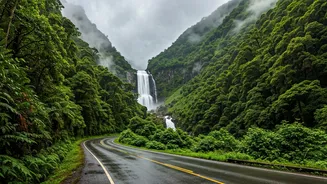
A monsoon trip to Shillong is also about the journey. The drive from Guwahati is spectacular, as you climb into hills shrouded in clouds. An even more dramatic route is the drive from Shillong to Cherrapunji (Sohra) or Mawsynram, the wettest places on Earth. The roads often wind through dense fog, with waterfalls appearing suddenly at bends in the road. Viewpoints like Laitlum Canyons offer breathtaking, if fleeting, glimpses of the vast green valleys below as the clouds part. While driving requires caution due to slippery roads, the otherworldly experience of literally driving through the clouds is an adventure in itself.
Practical Tips for a Monsoon Visit
To fully enjoy Shillong's monsoon, a little preparation goes a long way. Pack waterproof jackets, quick-drying clothes, and sturdy shoes with good grip, as paths can get slippery. Carry rain covers or dry bags for your electronics. While the rains are heaviest in July, visiting towards the end of August or in September often provides a good balance of lush landscapes and more manageable weather. Booking accommodations and transport in advance is wise, and it's best to rely on local drivers who are experienced with the monsoon road conditions.