
Banff National Park, Alberta
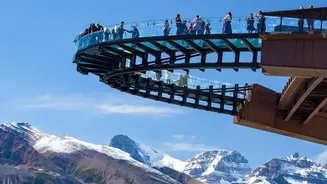
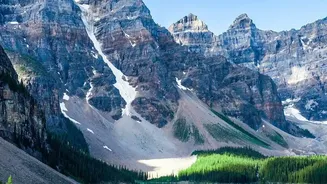
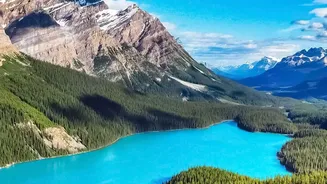
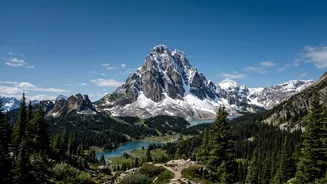
As Canada’s most visited national park, Banff is the poster child for Rocky Mountain grandeur. But its immense popularity has a downside. With over four million visitors annually, the park struggles with what some describe as suffocating overcrowding.
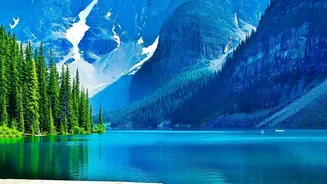
During peak summer months, finding a parking spot at iconic locations like Lake Louise can feel like winning a lottery, and trails can feel more like congested highways than serene nature escapes. Traffic jams are common, with vehicle counts at town entrances on track to break records. This has led to measures like closing the road to Moraine Lake to private vehicles entirely. While the scenery remains world-class, many writers argue the experience is diminished by the constant crowds, prompting suggestions to visit in the shoulder seasons of May, June, or September for a quieter trip.
Niagara Falls, Ontario
The sheer power of Niagara Falls is undeniable, but many travel experts caution that the area surrounding the natural wonder has become a classic tourist trap. Beyond the awe-inspiring cascades, visitors are met with a strip of overpriced restaurants, mediocre entertainment, and attractions that many locals and repeat visitors deem overrated. Reports of inflated prices for everything from fast food to parking are common, with some tourists feeling a sense of sticker shock. While a boat tour into the mist is often cited as a must-do experience, the broader Clifton Hill area is frequently described as a chaotic collection of wax museums and garish arcades that detracts from the natural spectacle. The advice is often to see the falls, perhaps take the boat cruise, and then explore the quieter, more authentic Niagara-on-the-Lake region nearby.
Tofino, British Columbia
This remote surf town on Vancouver Island's west coast built its reputation on a laid-back, wild-coast vibe. However, its Instagram-fueled fame has brought waves of tourists that the small community struggles to handle. With a resident population of around 2,500, the influx of hundreds of thousands of visitors annually puts a strain on local infrastructure and services. This has resulted in a high cost of living for residents and a visitor experience that can include packed resorts and long waits for restaurants. Travel writers point out that the feeling of a peaceful escape can be hard to find amidst the crowds. For those seeking a similar rugged coastal experience without the congestion, nearby Ucluelet or Port Renfrew are often recommended as calmer alternatives.
Rethinking the Beaten Path
The questioning of these popular spots is part of a broader conversation about sustainable and regenerative tourism in Canada. It’s less about avoiding iconic places altogether and more about travelling smarter. This can mean visiting during the off-season, starting your day before the tour buses arrive, or simply walking a little further down a trail, as most visitors rarely venture far from the pavement. Exploring lesser-known 'dupes' or alternatives is also a growing trend. For instance, instead of Banff, some suggest Kananaskis Country for a similar Rockies experience with fewer people. Instead of the busiest parts of Quebec, the Gaspé Peninsula offers stunning coastal drives. This shift encourages travellers to spread their economic impact and discover the hidden gems that make Canada's landscape so diverse.