



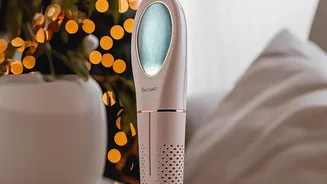
As the annual haze of smog descends, many of us look for ways to make our homes a clean-air refuge. The popular idea of filling rooms with air-purifying plants is appealing, but when it comes to fighting dense pollution, science is clear.
The Great Plant Myth
The belief that
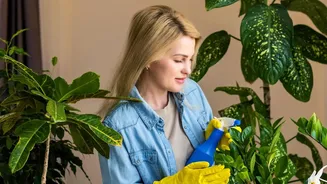
houseplants can scrub indoor air largely stems from a 1989 NASA study. Researchers found that certain plants could indeed remove volatile organic compounds (VOCs) from small, sealed chambers. However, applying this to a typical home is misleading. The conditions were akin to a spaceship, not a living room with constant air exchange from drafts, windows, and doors. Subsequent reviews and studies have clarified that to replicate NASA's results, you would need an impossibly dense number of plants—anywhere from ten to a thousand per square metre. While plants offer aesthetic and psychological benefits, they are not effective tools for tackling the serious particulate and chemical pollution found in smog.
Understanding Smog Pollution
To effectively clean the air, you need to know what you're fighting. The smog that plagues many Indian cities is a complex mix of pollutants. The most dangerous component is PM2.5—fine particulate matter smaller than 2.5 microns. These tiny particles come from vehicle exhaust, industrial emissions, and crop burning. They are small enough to bypass the body's natural defences, penetrate deep into the lungs, and even enter the bloodstream. Smog also contains harmful gases and VOCs, which are released from sources like traffic, industrial processes, and even indoor items like paint and furniture.
The Power of Mechanical Filtration
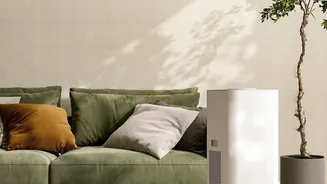
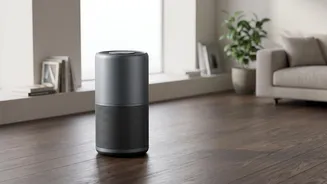
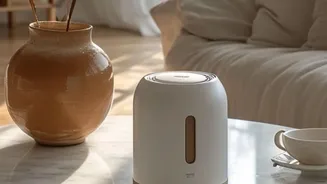
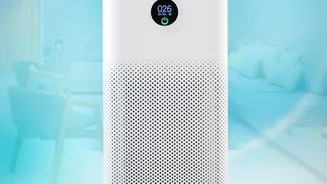
This is where a good air purifier excels. Unlike plants, these machines are specifically engineered to remove airborne contaminants. Their effectiveness relies on a multi-stage filtration process. The core of any serious air purifier is the HEPA (High-Efficiency Particulate Air) filter. A True HEPA filter is certified to capture at least 99.97% of particles that are 0.3 microns in size—the most difficult size to trap. This makes them highly effective at removing the vast majority of PM2.5 particles, along with dust, pollen, and mould spores. Many purifiers also include an activated carbon filter, which works differently. Instead of trapping particles, it uses a process called adsorption to capture gas molecules, including many VOCs and odours from smoke or cooking.
Choosing the Right Purifier
When buying an air purifier, ignore marketing gimmicks and focus on one key metric: CADR, or Clean Air Delivery Rate. CADR tells you how much clean air the purifier delivers and is measured for three pollutants: smoke, dust, and pollen. The smoke CADR is the most important number for smog, as it reflects performance against the smallest particles. A common rule of thumb is to choose a purifier with a smoke CADR rating that is at least two-thirds of your room's area in square feet. For a 300-square-foot room, for example, you'd want a CADR of at least 200. Sizing the unit correctly ensures it can clean the room's entire volume of air multiple times per hour, a metric known as Air Changes per Hour (ACH).
An Effective Home Strategy
Owning a purifier isn't enough; you have to use it correctly. For maximum effectiveness during smoggy periods, run your purifier continuously in the room where you spend the most time, such as the bedroom. Keep doors and windows closed to prevent new pollutants from entering and give the machine a fighting chance. This creates a cleanair zone. Place the unit in a spot with good airflow, not tucked away in a corner or behind furniture. Remember to replace the HEPA and carbon filters according to the manufacturer's schedule. A clogged filter can't clean the air effectively. While a purifier is a powerful tool, it's part of a larger strategy that includes ventilating your home when outdoor air quality is good and reducing indoor pollution sources like incense and harsh cleaning chemicals.