



A Fragile Paradise
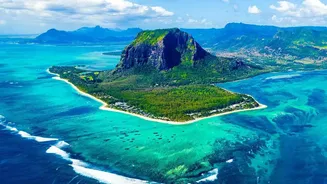
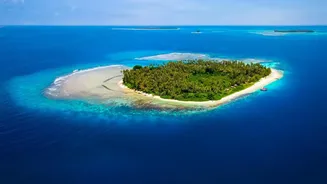
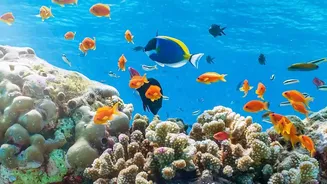
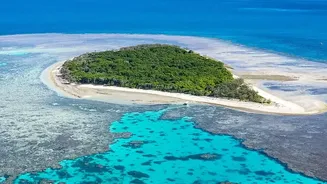
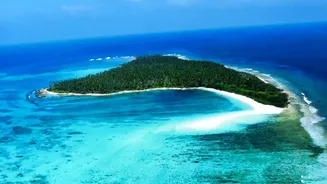
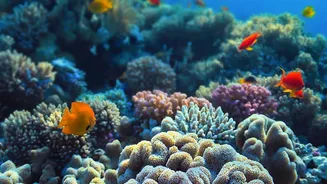
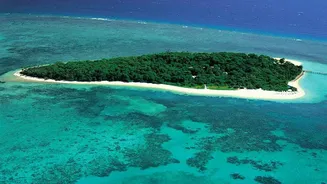
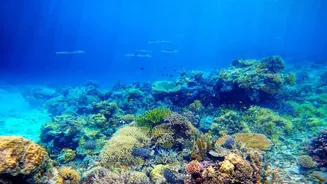
The Lakshadweep archipelago, a string of 36 coral islands in the Arabian Sea, is one of India's most ecologically sensitive regions. Its foundation is built, quite literally, on coral. These reefs create the atolls, protect the islands from erosion, and support
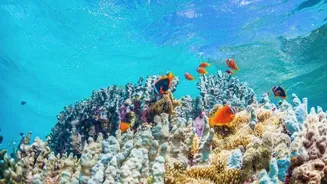
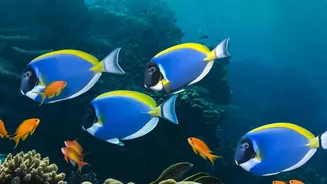
a stunning array of marine biodiversity, including over 600 species of fish. Often called the 'rainforests of the oceans', these ecosystems are not just beautiful but essential, acting as nurseries for a quarter of all marine life and supporting the livelihoods of the local communities through fishing and tourism. This unique natural heritage makes the islands a jewel of the nation, but one that is increasingly vulnerable.
Paradise Under Pressure
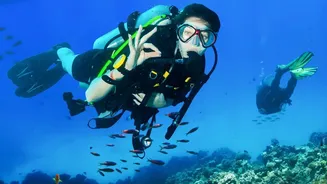
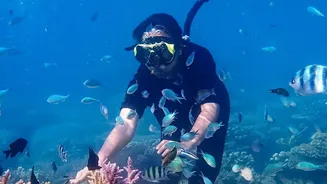
The primary threat to Lakshadweep's corals is climate change. Rising sea temperatures have led to severe mass bleaching events, where the corals expel the vibrant algae living in their tissues and turn white. Major bleaching events have occurred repeatedly, with a particularly devastating one in 2024 impacting a huge percentage of the coral. Beyond this global crisis, local pressures from tourism have compounded the problem. Pollution from waste, including microplastics, and physical damage from boats and incautious visitors harm the delicate reef structures. While tourism is a vital income source, its unregulated growth threatens the very beauty that draws people to the islands in the first place.
A New Blueprint for Protection
In response, authorities are emphasising strategies that put sustainability at the forefront. In February 2026, the National Green Tribunal (NGT) issued a directive mandating that all tourism activities must operate within the islands' carrying capacity. This means the number of tourists and accommodations, such as tents on islands like Bangaram and Thinnakara, must be strictly limited to prevent overwhelming the fragile ecosystem. The focus is shifting from mass tourism to high-value, low-impact eco-tourism, where visitors are educated about conservation. This approach involves promoting green conservation practices and ensuring that development does not come at the cost of ecological integrity.
What This Means for Travellers
For eco-tourists planning a visit, the travel experience is being reshaped by these preservation efforts. While recent changes in 2026 have simplified the entry permit process by removing the need for a local sponsor or prior police clearance, the system is designed for control and monitoring. Travellers must apply for a permit at least 14 days in advance and specify the exact islands they plan to visit and the dates of travel. Access is strictly limited to the islands mentioned in the approved permit, and transit through hubs like Agatti and Kavaratti is capped at 12 hours. These rules are not meant to deter visitors but to manage the flow of people, ensuring that tourism is sustainable and contributes positively to the islands' preservation.
The Delicate Balance of Economy and Ecology
The new framework represents a critical balancing act. The island economy is deeply intertwined with its marine resources, and tourism provides essential livelihoods. The goal of sustainable restrictions is not to stop tourism but to secure its future. By protecting the coral reefs, Lakshadweep preserves its primary attraction, ensuring that it remains a viable destination for generations to come. This strategy embraces the principles of a 'blue economy', using marine resources responsibly for economic growth while actively conserving the ecosystem. It involves community participation, ensuring that local islanders, who have a deep-rooted connection to the environment, are partners in its protection and benefit from the new model of tourism.