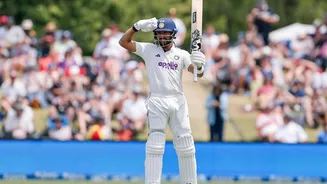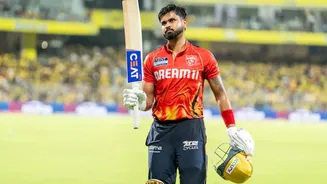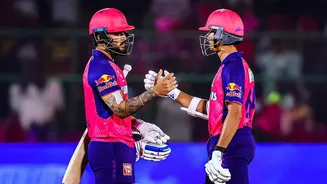


Every time Dhruv Jurel reaches a significant milestone, a crisp salute follows. It's more than just a celebration; it's a story of sacrifice, duty, and the powerful bond between a son and his soldier father.
A Salute for a Hero
The now-famous salute is a direct and heartfelt
tribute to one man: his father, Nem Singh Jurel. Nem Singh is a retired Havildar from the Indian Army and a veteran of the 1999 Kargil War. After reaching his maiden Test half-century against England, Dhruv revealed the gesture was at his father's request. 'Yesterday evening, I was speaking to my father over the phone and he told me indirectly, 'beta, show your salute once at least',' Jurel shared. It was a celebration he had practiced since childhood, finally performed on the international stage for his hero to see.
The Legacy of a Kargil Veteran
Nem Singh Jurel's life in the Army has profoundly shaped his son. As a member of the 8th Jat Regiment, he fought on the frontlines during the Kargil War. Before heading into battle, he wrote a practical letter to his wife, detailing their finances in case he did not return, a sobering reminder of the sacrifices made by soldiers and their families. Having retired voluntarily in 2008, Nem Singh now proudly watches his son battle it out on the cricket pitch. For him, seeing Dhruv represent the country is a continuation of service. 'I served India in the army, and he is playing for India,' he once said. 'I too can salute him'.
From a Different Path to the Pitch
Initially, Dhruv's father hoped he would follow in his footsteps and join the armed forces by preparing for the National Defence Academy (NDA) exams. However, the young boy's heart was set on cricket. The family faced financial constraints, but their support was unwavering. In a now-famous story of sacrifice, Dhruv's mother once pawned her only gold chain to buy him a proper cricket kit. Though his studies took a backseat to the sport, the discipline instilled by his army father—waking up early, rigorous training—became the bedrock of his cricketing journey.
More Than Just a Salute
The salute is the most visible tribute, but Jurel's respect for his roots runs deeper. On scoring a century, he has also been seen flexing a bicep tattoo that reads 'Jai Jawan, Jai Kisan' (Hail the soldier, hail the farmer). He explained this gesture honours both his soldier father and his farmer grandfather, a way to remember where he comes from. For Jurel, these acknowledgements are a constant reminder of the different kinds of battles fought off the field. He has stated that while his fifties are for his father, he dedicates his centuries to the entire Indian Army, acknowledging the immense difference between a game on the pitch and a conflict on the battlefield.