






Why Bother Eating Seasonally?
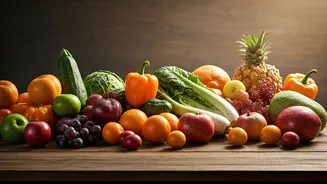
Shopping with the seasons is more than just a trend; it's a smarter way to eat. First, there's the flavour. Produce that's picked at its peak ripeness is naturally sweeter and more flavourful. Compare a juicy, deep-purple monsoon jamun to a bland, off-season
one, and you'll taste the difference immediately. Second, it’s easier on your wallet. When a fruit or vegetable is in season, it's abundant, and that surplus drives prices down. You're not paying for the cost of long-distance transport or artificial ripening. Finally, it’s better for you. Studies suggest that produce harvested in its natural season can be more nutrient-dense. Your body gets more vitamins and antioxidants, exactly when nature intended.
Monsoon Vegetables to Add to Your Cart
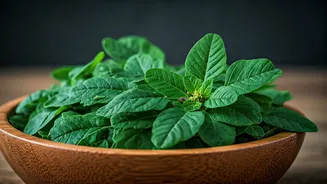
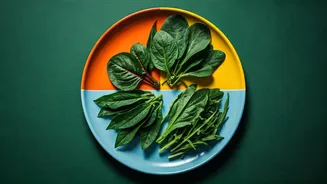
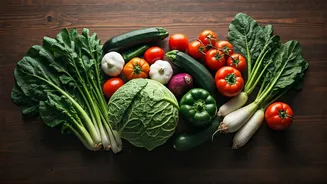
As the summer heat gives way to rain, the vegetable market transforms. This is the time to embrace gourds, which are hydrating and easy to digest. Look for tender bottle gourd (lauki), which is perfect for simple curries or koftas. Ridge gourd (tori) and pointed gourd (parwal) are also fantastic when stir-fried with minimal spices. Don't shy away from bitter gourd (karela); its bitterness is toned down when sliced thinly and fried until crisp. This is also a prime time for Indian cucumber (kakdi) and leafy greens like spinach (palak) and amaranth leaves (chaulai), which thrive in the cooler, damp weather. These vegetables are packed with fibre and essential minerals, making them perfect for boosting immunity during the season of colds and flu.
The Sweetest Fruits of the Season
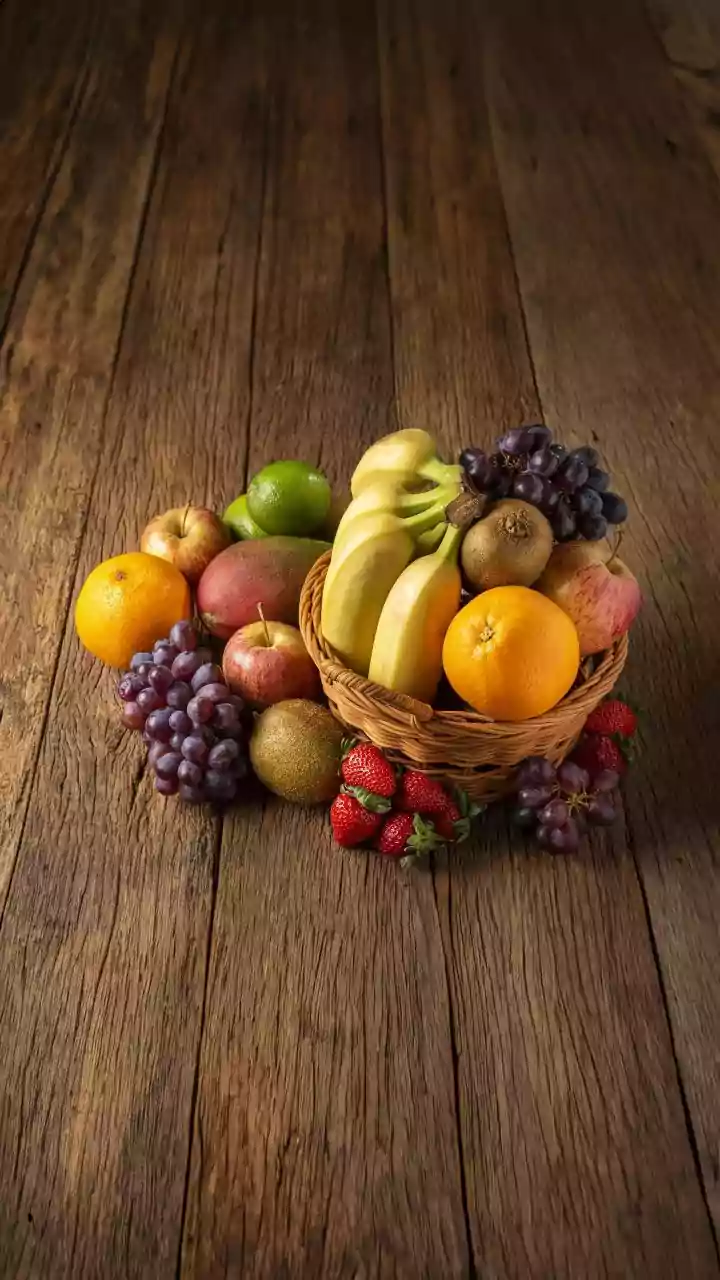
The monsoon brings a bounty of luscious, juicy fruits that offer a welcome relief from the summer's mango marathon. The star of the season is undoubtedly Jamun (Java plum), with its distinctive sweet, sour, and astringent taste. Its deep purple hue is a sign of powerful antioxidants. You'll also find beautiful peaches (aadu) and plums (aloo bukhara) flooding the markets, perfect for eating fresh or baking into pies and crumbles. Cherries and lychees also have a short but glorious season right at the start of the rains. Don't forget about corn (bhutta); while technically a grain, we treat it like a vegetable. A roasted bhutta, rubbed with lemon and masala while it drizzles outside, is one of the simple, iconic pleasures of the Indian monsoon.
Herbs and Spices for a Flavour Boost
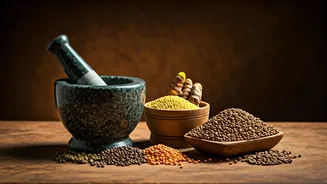
A seasonal refresh isn’t just about the main ingredients. The right herbs and spices can elevate your cooking and offer health benefits. Fresh turmeric (kacchi haldi) and ginger (adrak) are particularly potent during this time and are known for their anti-inflammatory and immunity-boosting properties. Grate them into your teas, dals, and sabzis for a fresh, pungent kick. Mint (pudina) and coriander (dhania) grow abundantly and can add a burst of freshness to everything from chutneys and raitas to simple salads. These herbs are cooling and aid in digestion, providing a perfect balance to the rich, fried foods we often crave during the rains.
How to Shop and Store Smart
When shopping for seasonal produce, trust your senses. Look for vibrant colours, firm textures, and fresh smells. Avoid vegetables and fruits that look dull, wilted, or have soft spots. For leafy greens, ensure the leaves aren't yellowing or slimy. Because of the high humidity during the monsoon, produce can spoil faster. It's best to buy smaller quantities more frequently. Store leafy greens by wrapping them in a paper towel or a cloth bag before placing them in the refrigerator to absorb excess moisture. Gourds and cucumbers should be kept in the vegetable crisper. Most seasonal fruits like jamun, plums, and cherries are best stored in the fridge and consumed within a few days for maximum freshness and flavour.