


The Soul of Simplicity
Khichdi is more than just a meal; it's a philosophy. It represents a return to basics in a world that often feels overwhelmingly complex. Made from two humble staples—rice and lentils—it’s a testament to how simple ingredients can create something profoundly
satisfying. Its magic lies in its digestibility and nourishing properties, which is why mothers and grandmothers have prescribed it for everything from a common cold to a troubled heart. It’s the culinary equivalent of a security blanket, a gentle reminder that sometimes, the simplest things provide the greatest comfort. This isn't just food; it's a practice of self-care, a way to be kind to your body and soul.
Why This Recipe Works
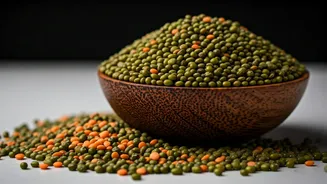
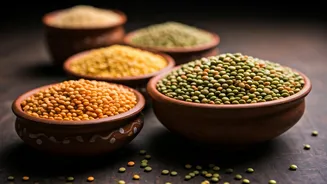
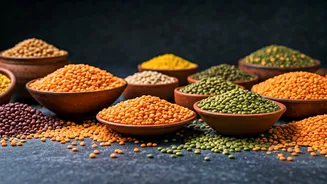
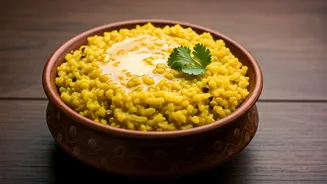
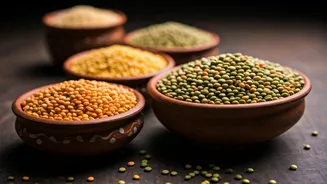
The perfect Khichdi strikes a delicate balance. It should be creamy but not mushy, flavourful but not overpowering. This recipe uses yellow moong dal, which is light on the stomach and breaks down beautifully to create a luscious texture. The key is the ratio of dal to rice (1:1 for a porridge-like consistency) and the final tempering, or ‘tadka’. A simple tadka of ghee, cumin seeds, and a pinch of asafoetida (hing) elevates the dish from bland to brilliant, adding a smoky, earthy aroma that signals comfort is on its way. Don't skip the ghee; it's not just for flavour but also aids digestion and adds a rich, satisfying finish.
The Recipe: Ingredients
This makes enough for 2-3 servings. **For the Khichdi:** - ½ cup yellow moong dal (split yellow gram) - ½ cup rice (any short-grain or regular rice works well) - 3 cups water (adjust for desired consistency) - ½ teaspoon turmeric powder (haldi) - Salt to taste **For the Tadka (Tempering):** - 2 tablespoons ghee (clarified butter) - 1 teaspoon cumin seeds (jeera) - A pinch of asafoetida (hing) - 1 dried red chilli (optional) - A few curry leaves (optional, for extra aroma)
The Recipe: Method
1. **Wash and Soak:** Rinse the rice and moong dal together under running water until the water runs clear. There's no need to soak them for this recipe unless you prefer to. 2. **Cook the Khichdi:** In a pressure cooker, add the rinsed dal and rice, 3 cups of water, turmeric powder, and salt. Stir everything together. Secure the lid and cook on medium heat for 3-4 whistles. Let the pressure release naturally. This slow release is key to a creamy texture. 3. **Check Consistency:** Once the pressure is gone, open the cooker. The Khichdi should be soft and well-cooked. If it looks too thick, add a little hot water and stir until you reach your desired consistency. Let it simmer for a minute. 4. **Prepare the Tadka:** While the Khichdi is resting, prepare the tempering. Heat the ghee in a small pan. Once it’s hot, add the cumin seeds. When they start to sizzle and turn fragrant (which takes just a few seconds), add the pinch of asafoetida and the dried red chilli/curry leaves if using. Be quick, as the spices can burn easily. 5. **Combine and Serve:** Pour the sizzling tadka over the cooked Khichdi and stir gently to combine. The sound and smell of this step are part of the joy. Serve hot.
Serving and Variations
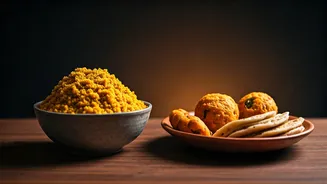
Khichdi is a beautiful canvas. While it's perfect on its own, it’s traditionally served with four accompaniments, lovingly called ‘Khichdi ke chaar yaar’ (the four friends of Khichdi): a dollop of ghee, plain curd (dahi), spicy pickle (achaar), and a crispy papad. For a more wholesome meal, you can add finely chopped vegetables like carrots, peas, and beans along with the rice and dal before pressure cooking. For an extra touch of flavour, garnish with fresh coriander leaves before serving. No matter how you have it, the core promise of comfort remains.