





The Freshness Countdown Begins
The moment a fruit is cut or peeled, a race against time begins. Slicing through a fruit’s protective skin exposes its flesh to oxygen, triggering a process called enzymatic browning. This is why apples, pears, and bananas quickly turn an unappealing
brown. Beyond aesthetics, this exposure also accelerates spoilage and nutrient loss. Cutting fruit creates surfaces where bacteria can multiply. According to the US Food and Drug Administration (FDA), cut melons, for example, must be refrigerated within two hours of being prepared to minimise the risk of pathogens like Listeria. At room temperature, especially in a warm car or a crowded train, this window for bacterial growth shrinks considerably. Packing your fruit as close to your departure time as possible minimises this period of vulnerability, ensuring your snack is not only tastier but also safer to eat.
Choosing Your Travel Companions
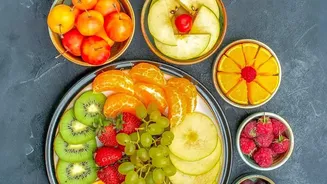
Not all fruits are created equal when it comes to travel. The best choices are often sturdy, whole fruits with their own natural packaging. Think of apples, oranges, and unripe pears. These are less prone to bruising and can withstand the bumps of a journey. Bananas are another popular choice due to their convenient peel, but they bruise very easily and are best transported in a protective case or eaten early in your trip. Delicate fruits like berries, sliced melon, kiwi, and grapes are more challenging. They have a higher water content and softer structure, making them susceptible to getting crushed. If you do choose to bring these, they absolutely must be packed shortly before you leave and kept in a rigid, airtight container. It’s also wise to not wash produce until you are ready to eat it, as excess moisture can speed up spoilage.
Packing Like a Pro
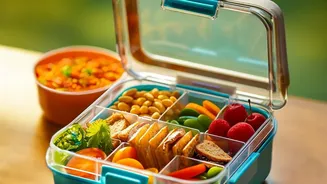
Proper packing is just as important as timing. For cut fruits, an airtight container is non-negotiable. This slows down oxidation and prevents leaks that can create a sticky mess in your bag. For fruits prone to browning, a splash of lemon, lime, or even orange juice can help. The acidity significantly slows the browning process. Consider your travel itinerary. For a long road trip or train journey, a small cooler bag with an ice pack is a worthwhile investment to keep cut fruits safe and refreshing. When packing, always place delicate fruit containers at the top of your bag, away from heavy items like water bottles or books that could crush them. For whole fruits, simply ensuring they are not at the bottom of a heavy bag is often enough to protect them.
Navigating Security and Regulations
When travelling by air, food is generally permitted in your carry-on. Domestically, whole or cut fruits are usually not an issue, though security may require you to take all food items out of your bag for separate screening. Using clear, easy-to-access containers can make this process smoother. However, international travel is a different story. Many countries have strict regulations about bringing fresh produce across borders to prevent the spread of agricultural pests and diseases. Always check the rules for your destination country before you pack. In most cases, it's best to consume any fresh fruit before you land or discard it on the plane to avoid any issues with customs. A simple rule of thumb is to pack only what you plan to eat during the journey itself.
Your Pre-Departure Timeline
So, what’s the ideal window? For hardy, whole fruits like apples and oranges, you can pack them the night before without much concern. For bananas, it's best to pack them on the day of travel to avoid bruising. For any fruit that is cut, peeled, or delicate—like berries, sliced pineapple, or melon—the rule is simple: prepare and pack them as late as possible, ideally within the hour or two before you walk out the door. If they are properly refrigerated after cutting, they can last for a few days, but the goal for travel is to minimise time spent in the 'danger zone' temperature between 4°C and 60°C where bacteria thrive. This last-minute preparation ensures maximum freshness, flavour, and safety for your travel snacks.