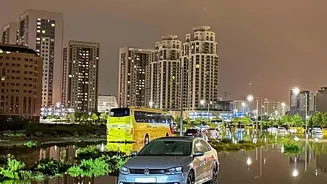







The familiar sight of waterlogged streets and floating vehicles during monsoon season has become an annual ordeal for many urban Indians. But as concrete-heavy solutions falter, cities are looking to a powerful, ancient ally: their own wetlands.
Our Cities' Drowning Problem
From Mumbai
to Chennai, Bengaluru to Kolkata, the story is strikingly similar. Intense, short bursts of rain overwhelm decades-old drainage systems, bringing cities to a standstill. The root cause is not just heavier rainfall but also rapid and often unplanned urbanisation. Permeable soil has been replaced with concrete and asphalt, while natural drainage channels, floodplains, and water bodies have been encroached upon or built over. With nowhere to go, the water floods our streets and homes, causing immense economic damage and disrupting millions of lives. This recurring crisis has exposed the limits of purely 'grey infrastructure'—engineered solutions like drains and canals—and forced urban planners to seek more resilient alternatives.
Nature’s Forgotten Sponges
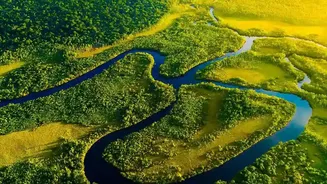
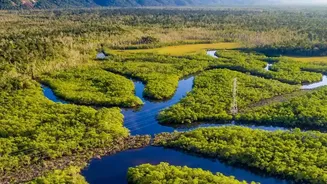
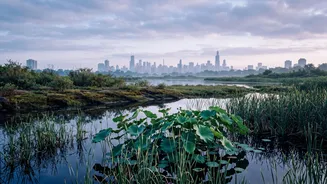
Wetlands—a category that includes lakes, marshes, ponds, and coastal mangroves—are nature’s own flood-control systems. They act like giant, natural sponges, absorbing massive quantities of rainwater during downpours and releasing it slowly, which reduces the pressure on man-made drains. For centuries, Indian settlements were built around these ecosystems, which were integral to water management. However, in the race to modernise, cities have lost a huge percentage of these vital water bodies. Realising this historical mistake, a shift in thinking is underway, with a growing recognition that restoring these 'blue-green' spaces is essential for urban survival.
Cities Leading the Charge
Several Indian cities are now actively investing in reviving their lost wetlands as a core part of their flood-mitigation strategy. Chennai, which was devastated by floods in 2015, has become a pioneer in this effort. The city is working on restoring crucial wetlands like the Pallikaranai marsh and Sembakkam Lake. In 2025, it inaugurated the Dr. M.S. Swaminathan Wetland Eco Park in Porur, transforming a former dumping ground into a 'sponge park' that can hold millions of litres of monsoon water. Similarly, Kolkata has long relied on the East Kolkata Wetlands, a 12,500-hectare ecosystem that naturally processes the city's wastewater and absorbs excess rainwater, acting as a vital flood barrier. In Mumbai, studies following the 2005 floods showed that intact mangrove forests along the Mithi River could have significantly reduced the flood's impact, prompting restoration efforts in the area.
More Than Just Flood Control
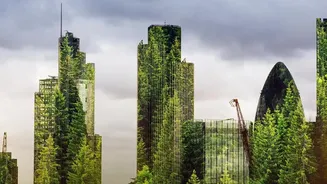
The benefits of restoring wetlands extend far beyond preventing waterlogging. These ecosystems are critical for recharging depleted groundwater tables, a crucial service for water-scarce cities. They also act as natural filters that purify polluted water, support immense biodiversity of flora and fauna, and help cool down urban heat islands. By sequestering carbon, healthy wetlands contribute to climate change mitigation. Furthermore, these revived water bodies create valuable public green spaces for recreation, improving the quality of life for residents. This holistic approach is supported by national policies like the National Plan for Conservation of Aquatic Ecosystems (NPCA), which provides a framework and funding for states to conserve their lakes and wetlands.