






Beyond the Checklist of Monuments
For generations, travel was often defined by a visual checklist: forts, museums, mountains, and beaches. While these landmarks offer a sense of place, a significant shift is underway. Today’s travellers are seeking deeper, more authentic connections,
and they’re finding them on the plate. Culinary tourism has emerged as a powerful way to experience a destination, moving beyond just tasting local dishes to understanding the story of a place through its food. This approach transforms a holiday from a passive tour into an active, sensory engagement. Instead of just seeing a place, you get to taste its history, geography, and culture. According to recent data, nearly 40% of Indian travellers now consider a destination's culinary landscape a major factor when planning trips, showing a clear hunger for these immersive experiences.
The Ingredient as the Main Character
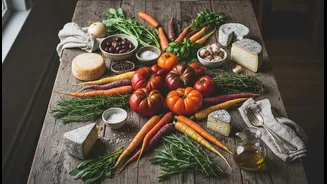
At the heart of this movement is the humble ingredient. Think of it as the main character in your travel story. Every region has ingredients shaped by its unique climate and soil. These aren't just components in a recipe; they are living artifacts of a place's identity. Consider the intensely aromatic Kandhamal Haldi from Odisha, a turmeric variety grown by tribal communities which earned a Geographical Indication (GI) tag for its unique qualities. Or the famed Naga King Chilli, one of the world's hottest peppers, which is central to Nagaland's culture and has its own festival. When you seek out these specific ingredients, you’re not just looking for a meal. You are tracing a story from the earth to the table. Learning about how Kandhamal Haldi is traditionally cultivated or why the Naga King Chilli thrives in its specific environment gives you a narrative that a generic curry at a tourist restaurant never could.
How to Find the Story
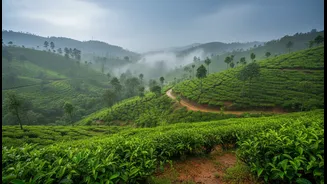
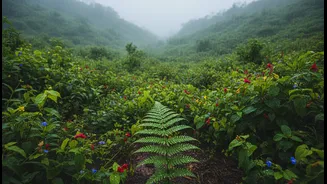
So, how does a traveller become a food storyteller? It’s about active participation. Agritourism, which connects travellers with agricultural life, is a perfect starting point. This can mean taking a guided tour of the coffee plantations in Coorg, where you can walk through the estates, see the beans being sorted, and end with a fresh brew. Many estates and homestays offer these walks, providing a chance to learn about the journey from bean to cup. Other opportunities include joining cooking classes that focus on regional recipes, exploring local produce markets, and visiting spice farms. Engaging directly with farmers, chefs, and producers allows you to hear the stories firsthand. These interactions provide context, turning a simple flavour into a rich, multi-layered experience and creating a genuine cultural exchange.
An Edible Map of India
India’s diverse landscape offers an endless menu of ingredient-led adventures. In Kerala, the trail might lead you to fresh black pepper vines and cardamom pods on a spice plantation tour, culminating in a seafood meal infused with those very spices. In Rajasthan, the story might be about the creative use of desert-hardy grains and legumes. A journey through West Bengal is incomplete without understanding the role of mustard and freshwater fish in its cuisine. From the saffron fields of Kashmir to the apple orchards of Himachal, each region offers a unique protagonist for your travel tale. These experiences are not just for gourmands; they are for anyone curious about the world. They offer a tangible way to connect with the rhythm of local life, support local economies, and understand the deep relationship between people and their land.
A Souvenir That Truly Lasts
Physical souvenirs can fade, break, or be forgotten. But the memory of a taste, a smell, and the story behind it has a unique power to endure. Learning how to brew the perfect cup of Coorg coffee or understanding the cultural importance of a spice does more than just enhance your trip—it becomes a part of your own story. You bring home not just a packet of spices, but the knowledge and appreciation behind them. Sharing these tales with friends and family—explaining why a particular dish tastes the way it does because of its specific origins—is far more engaging than showing a simple photograph of a monument. Food becomes the emotional bookmark of your journey, a sensory anchor that instantly transports you back to a specific time and place.