




The Hunt for Hidden Treasures
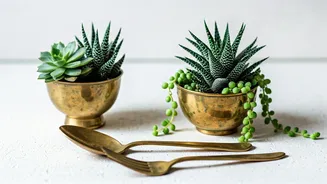
The perfect candidates for this project are often hiding in plain sight. Rummage through your own home first—attics, storage trunks, and the back of kitchen cabinets can yield forgotten gems. Think old brass or bronze (pital or kansa) ladles, deep spoons,
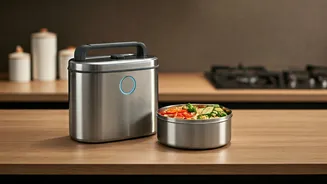
small lotas, katoris, or even ornate tiffin carrier sections. These items possess a history and character that new pots simply can't replicate. If you don't have any at home, flea markets, antique shops, or your local kabadiwala can be treasure troves. Look for pieces with interesting shapes and a sturdy build. Don’t worry about tarnish or minor dents; these imperfections add to the rustic charm we’re aiming for.
Gather Your Simple Toolkit
This project is delightfully low-tech. Before you begin, gather your materials to make the process smooth. You will need: * **Your chosen brass utensils** * **For cleaning:** Lemon, salt, or a gentle brass polish like Brasso. * **For drainage (optional but recommended):** A power drill with a small metal drill bit (3-5mm is ideal). * **Safety gear:** Goggles and gloves, especially if you’re drilling. * **For planting:** Small pebbles or gravel, potting mix suitable for your chosen plant, and of course, your plants! If drilling isn't for you, don't worry. We have a no-drill alternative that works just as well for certain plants.
To Polish or Not to Polish?
The beauty of vintage brass lies in its patina—the greenish-blue tarnish that develops over time. You have a choice here. For a rustic, aged look, simply wash the utensil with soap and water to remove dirt and grime. If you prefer a brilliant shine, it’s time for a little elbow grease. A fantastic natural cleaner is a paste made from lemon juice and salt. Apply the paste, let it sit for a few minutes, and then gently scrub with a soft cloth before rinsing and drying thoroughly. For a more intense shine, a commercial brass polish will do the trick. A word of caution: very old brass items, especially those not intended for food, can sometimes contain lead. It's wise to wear gloves while cleaning and to use these planters for ornamental plants only.
The Crucial Step: Drainage
Most plants, especially succulents, hate sitting in water. Proper drainage is key to their survival. The best method is to drill a small hole in the bottom of your utensil. Secure the brass piece firmly (a vice is helpful but not essential if you’re careful). Put on your safety goggles, and using a drill bit designed for metal, slowly and steadily drill a hole through the base. The metal is usually soft, so it doesn’t require immense pressure. **No-Drill Method:** If you don't have a drill or want to preserve the utensil's integrity, you can create a false bottom. Place a 1-2 cm layer of small pebbles or gravel at the base of the utensil before adding soil. This creates a reservoir for excess water to collect, keeping it away from the plant's roots. Just be extra careful not to overwater.
Choosing the Right Green Companion
The small size of these planters makes them perfect for certain types of plants. You want something that stays compact and doesn't require a deep root system. Succulents are the undisputed champions here—varieties like Echeveria, Haworthia, or Sedum look stunning against the warm glow of brass. Air plants (Tillandsia) are another fantastic, soil-free option; simply place them inside the utensil. Small cuttings from spider plants or string of pearls can also thrive, cascading elegantly over the side of a ladle or bowl. Choose a plant whose water and light needs you can easily meet in the spot you plan to display your new creation.
Planting and Final Styling
Now for the final, satisfying step. If you've drilled a hole, cover it with a small piece of mesh or a single pebble to prevent soil from falling out. Add your drainage layer if using the no-drill method. Fill the utensil with a small amount of potting mix, gently place your plant inside, and top up with more soil, patting it down lightly. Give it a very small amount of water. Your quirky planter is now ready! Group a few together on a windowsill, hang a ladle planter from a hook in your kitchen, or place one on your desk. They make for fantastic conversation starters and add a personal, sustainable touch to your decor.