






A Galaxy of Opportunity
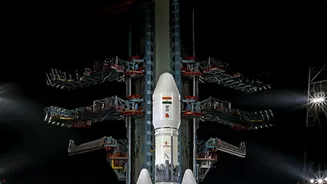
For decades, India's space endeavours were synonymous with the Indian Space Research Organisation (ISRO). But a quiet revolution has been taking place. Recent policy reforms, most notably the Indian Space Policy 2023 and the establishment of the Indian National
Space Promotion and Authorisation Centre (IN-SPACe), have thrown open the doors to private enterprise. This has ignited a boom, transforming the sector from a government-led programme into a dynamic ecosystem. The Indian space economy, valued at around $8.4 billion in 2022, is now projected to skyrocket to $44 billion by 2033. This exponential growth is being fuelled by a surge in startups, which have grown from just a handful a decade ago to over 400 today.
The New Space Pioneers
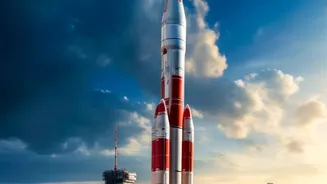
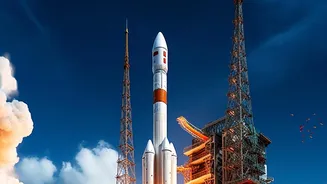
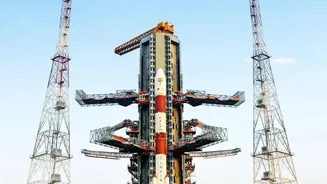
A new generation of entrepreneurs, including many former ISRO engineers, is at the helm of this transformation. Companies like Skyroot Aerospace, Agnikul Cosmos, and Pixxel are becoming trailblazers. Skyroot Aerospace, founded by former ISRO engineers Pawan Kumar Chandana and Naga Bharath Daka, made history with the launch of Vikram-1, India's first privately developed orbital rocket. This milestone placed India in an elite club with the US and China as nations with private orbital launch capability. Meanwhile, Chennai-based Agnikul Cosmos is pushing the boundaries of innovation with 3D-printed rocket engines, aiming to drastically reduce launch costs. Their work on reusable launch technology signals a major leap forward for the domestic industry.
More Than Just Rockets
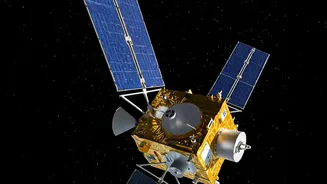
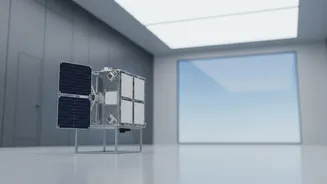
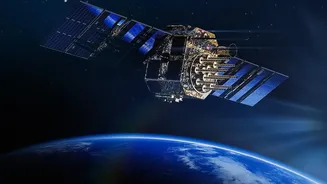
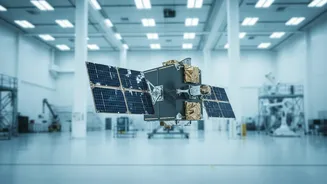
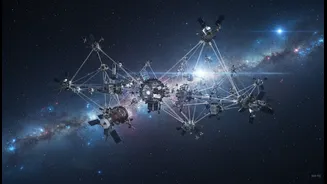
The opportunities extend far beyond launch vehicles. The new space ecosystem covers the entire value chain, from upstream manufacturing to downstream data services. Bengaluru's Pixxel is a prime example of downstream innovation. The company is deploying a constellation of hyperspectral imaging satellites that can provide detailed data for sectors like agriculture, energy, and climate monitoring. This kind of data analytics, offering insights on everything from crop health to pollution levels, represents a massive commercial market. Other startups like Dhruva Space are offering comprehensive solutions, including satellite manufacturing and ground station services, effectively creating a one-stop-shop for space applications. This diversification is key to building a resilient and multi-faceted space economy.
Fueling the Ecosystem
This entrepreneurial zeal is backed by a growing flow of capital. Indian space startups have attracted significant investment, raising around $390 million in the last three years alone. The government is also playing a crucial role as an enabler, not just a regulator. The creation of a dedicated venture capital fund worth over $100 million for the space sector underscores its commitment. Furthermore, IN-SPACe acts as a single-window agency, facilitating access to ISRO's world-class testing facilities and expertise, which significantly lowers the barrier to entry for new players. This collaborative model allows ISRO to focus on advanced research and deep space missions, while private firms handle more routine commercial operations.
Challenges on the Horizon
Despite the stellar growth, the path ahead is not without its challenges. The space industry is capital-intensive, with long development cycles and high risks. While investment is growing, startups still face funding gaps, particularly in the crucial mid-stages of development. Regulatory frameworks are still evolving, and the absence of a comprehensive, codified Space Activities Act creates a degree of ambiguity for operators. Moreover, the global space market is fiercely competitive. Indian startups will need to continue innovating at a rapid pace to carve out a significant share against established international players. Building robust supply chains and retaining top engineering talent will be critical for sustained success.