






The Arrival of the Monsoon
Imagine a landscape holding its breath. For months, the hills of the Western Ghats—a mountain range older than the Himalayas that runs down India’s western coast—have been baked a dusty brown by the relentless sun. Then, sometime in June, the air shifts.
The sky, once a pale, hazy blue, turns a dramatic slate gray. The first fat drops of rain hit the parched earth, releasing a scent so profound it has its own name: petrichor. This isn’t just a rain shower; it’s a breaking spell. Within days, the transformation is absolute. A vibrant, impossible green blankets every surface. The mountains exhale mist, and the six-month slumber is over. This is the official start of the season for those seeking out India’s true rainy paradise.
The Popular Gateway
The most famous entry point to this world is Lonavala, a hill station a few hours' drive from the megacity of Mumbai. For Mumbaikars, it’s a beloved, almost ritualistic escape. On monsoon weekends, its roads are filled with cars, its viewpoints thronged with people sipping hot chai, and its hotels are booked solid. Lonavala offers a fantastic taste of the monsoon: misty vistas from Tiger Point, the serene waters of Bushi Dam overflowing onto stone steps, and vendors selling roasted corn on the cob and spicy onion fritters (pakoras). It’s popular for a reason, delivering a reliable dose of rainy-day charm. But for the truly adventurous, Lonavala isn’t the destination; it’s the appetizer.
Driving Through the Clouds
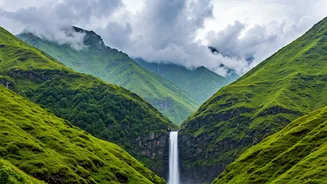
To find the ‘paradise’ the headline hints at, you must go further. The journey itself is the main event. Take the road towards Malshej Ghat or head south towards the Tamhini Ghat region. As you climb, the world outside your car window dissolves into a spectacular, ethereal show. The roads, slick with rain, wind through valleys so green they seem lit from within. Fog—thick and sudden—rolls across the asphalt, reducing visibility to a few feet before parting just as quickly to reveal a breathtaking panorama. The real marvel is the water. During the monsoon, the mountains don't just have waterfalls; they *become* waterfalls. Water streams down every rock face, gushes from unseen cracks, and cascades directly onto the road, forcing drivers to navigate through curtains of falling water. It’s a primal, immersive experience that feels a million miles from city life.
A Symphony of Waterfalls
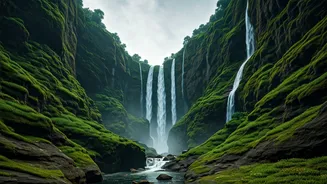
While countless unnamed falls appear, a few legendary spots draw travelers from across the region. In the Bhandardara region, the mighty Randha Falls thunders into a gorge with terrifying force. Near Malshej Ghat, a single road is flanked by dozens of falls, creating a natural water park for delighted visitors who stand under the cascades, fully clothed. Perhaps the most mind-bending phenomenon is the ‘reverse waterfall’ near Naneghat. Here, fierce winds blowing up the valley are so powerful they catch the water as it tips over the cliff’s edge, spraying it back upwards in a plume of white mist that defies gravity. It’s a spectacle that perfectly captures the raw, unpredictable power of nature on full display during the monsoon.
The Cozy Heart of the Storm
This experience isn't about luxury resorts or curated tours. It’s about finding a simple guesthouse or a rustic homestay, ordering a pot of masala chai, and watching the clouds drift by your window. The local cuisine is tailored for the weather—hot, savory, and satisfying. It’s about the camaraderie of fellow travelers, all there for the same reason: to witness the grand drama of the rains. There’s a quiet joy in being warm and dry indoors while a torrential downpour rages outside, a feeling of being at the very heart of the storm, yet perfectly safe. It’s a reset for the soul, a reminder that there is profound beauty not just in sunny days, but in the life-giving fury of a monsoon.