



The Hallyu Wave Hits the Pearl City
The global phenomenon of 'Hallyu', or the Korean Wave, has firmly taken root in India, and Hyderabad is no exception. While K-pop and binge-worthy dramas first opened the door, it's the food that is creating a lasting connection. Data from food delivery
platforms shows a significant surge in orders for Korean cuisine across India, with Hyderabad being one of the leading metro cities in this trend. This curiosity, largely driven by Gen Z and millennials, has paved the way for more than just kimchi and ramen to enter the mainstream; it has created a craving for the full Korean culinary experience, including its unique and delightful desserts.
Discovering Bingsu: A Snowy Sensation
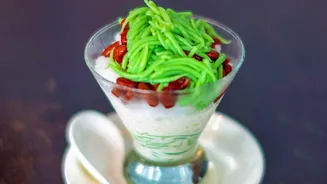
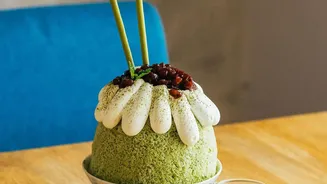
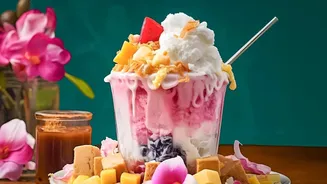
At the heart of this sweet revolution is Bingsu, a dessert that is as much a visual spectacle as it is a treat for the palate. Unlike traditional ice cream or the granular ice of a gola, Bingsu is made from milk that is shaved into impossibly fine, snow-like flakes that melt instantly in your mouth. Its origins trace back to the Joseon Dynasty, where shaved ice was a luxury reserved for royalty. Today, it has evolved into a canvas for creative toppings. Cafes in Hyderabad, like the popular Snowberry in Jubilee Hills, are serving up bowls piled high with fresh fruits like mango, rich chocolate, crunchy biscuits, and even unique combinations like Lotus Biscoff and Pista Kunafa. This light, creamy, and refreshing dessert is perfectly suited for Hyderabad's warm climate, offering a novel experience that is both indulgent and cooling.
Beyond the Bingsu Bowl
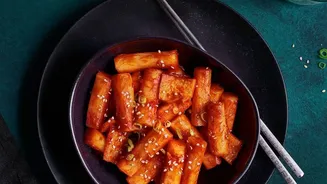
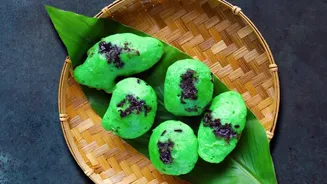
While Bingsu may be the star, the supporting cast of Korean desserts is just as compelling. Patrons are discovering a whole new world of textures and tastes. There are croffles—a delightful hybrid of a croissant and a waffle—that offer a chewy, buttery, and flaky bite. Sweet pancakes known as Hotteok, often filled with a warm mixture of brown sugar, cinnamon, and nuts, are another street-food favourite making its way onto cafe menus. Other traditional sweets like Yakgwa (honey cookies) and various forms of Tteok (rice cakes) showcase a different side of Korean confectionery, one that is often less sugary than Western desserts and relies on ingredients like rice flour, honey, and nuts. These offerings provide a sophisticated and diverse dessert landscape for adventurous foodies to explore.
An Experience for the Instagram Age
A huge part of the appeal lies in the experience itself. Korean dessert cafes are often designed with a minimalist and aesthetic sensibility, creating inviting and 'Instagrammable' spaces that attract a younger crowd. The desserts themselves are artfully presented, with vibrant colours and towering constructions that beg to be photographed and shared online. This visual appeal is a significant driver of their popularity. But it’s not just about looks. The flavours offer a refreshing departure from overly sweet desserts, introducing a nuanced palate of tastes and textures—from the fluffy snow of Bingsu to the chewy satisfaction of rice cakes—that keeps customers coming back. It's a social and sensory experience rolled into one.