



Why Fibre Matters
Dietary fibre, the part of plant-based foods that your body can't digest, is a powerhouse for your health. A high-fibre diet can aid in digestion, prevent constipation, and help maintain a healthy weight by making you feel fuller for longer. It also plays
a crucial role in managing blood sugar levels, lowering cholesterol, and reducing the risk of certain chronic diseases. According to the Indian Council of Medical Research (ICMR), Indian adults should aim for about 25-40 grams of fibre daily, depending on factors like age and activity level. However, many urban Indians consume only about 15 grams per day, creating a significant gap. The good news is that closing this gap can be achieved with simple, intentional choices in your own kitchen.
Upgrade Your Grains and Flours
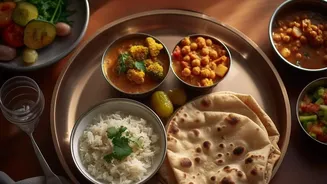
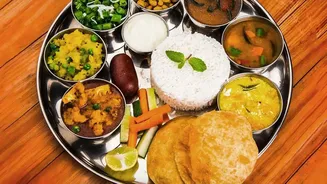
One of the easiest places to start is with your daily grains. Many traditional Indian meals are based on grains, but switching from refined versions to whole grains can dramatically increase your fibre intake. Instead of white rice, try incorporating brown rice or red rice into your meals. If the change feels too drastic, start by mixing white and brown rice together. When making rotis, parathas, or other flatbreads, swap refined maida for whole-wheat atta. Even better, explore millets like jowar, bajra, and ragi, which are naturally high in fibre and can be used to make everything from rotis to porridges.
Lean into Lentils and Legumes
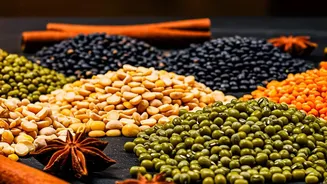
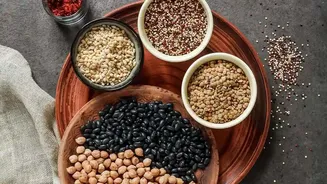
Dals, pulses, and legumes are the backbone of Indian cuisine and fantastic sources of fibre. Making a conscious effort to include them in at least one meal a day is a simple and effective strategy. A single serving of dal, rajma, or chana can contribute a significant amount of your daily fibre needs. For instance, rajma (kidney beans) and chana (chickpeas) are among the highest-fibre Indian foods. You can add them to curries, salads, and soups. Sprouted moong is another excellent addition that works well in salads or as a quick stir-fry, providing both fibre and protein.
Supercharge Your Snacks
Snack time is often where healthy intentions can go astray. Instead of reaching for processed, low-fibre options, stock your pantry with fibre-rich alternatives. A handful of roasted chana is a classic Indian snack that offers a satisfying crunch along with protein and fibre. Unsalted nuts like almonds and walnuts are also great choices. Swapping fruit juice for whole fruits is another critical upgrade; juices are stripped of their fibre content. Fruits like guava, apples, and papaya are excellent, especially when eaten with their skin where possible.
Don't Forget Seeds and Boosters
A small addition can make a big difference. Seeds are tiny nutritional powerhouses that can easily be added to your meals. Sprinkle a tablespoon of ground flaxseeds (alsi) into your morning curd, smoothie, or even your roti dough. Chia seeds are another versatile option that can be added to water or yogurt. For a more concentrated boost, Isabgol (psyllium husk), a common household item, is an incredibly rich source of soluble fibre that can help promote fullness and regularity. Remember to increase your fibre intake gradually and drink plenty of water to allow your digestive system to adjust and avoid discomfort.