

A New Map for Lunar Water
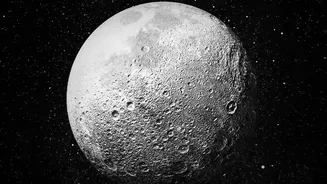
For years, scientists have known that water exists on the Moon, largely based on data from orbital missions. Discoveries confirmed ice hidden in the deep, permanently shadowed craters of the lunar poles—some of the coldest places in the solar system.
While exciting, this ice was believed to be difficult to reach. The latest findings, however, point to something far more significant: deposits of water ice that are not only confirmed but are considered accessible. This shifts the conversation from simply knowing water is there to creating a practical map of where future missions can land and utilize it. This isn't just about finding an oasis; it's about finding one with a convenient access road.
Seeing Below the Surface
The key to this discovery is an instrument that sounds like something from science fiction: the neutron spectrometer. So, how does it work? In simple terms, the Moon's surface is constantly being bombarded by cosmic rays from deep space. These rays smash into the lunar soil and send neutrons flying. A neutron spectrometer doesn't see water directly; instead, it looks for hydrogen, the 'H' in H₂O. When these flying neutrons collide with hydrogen atoms—which are similar in size—they slow down dramatically. The spectrometer detects this change, and a significant drop in neutron energy is a strong indicator of hydrogen, and therefore water, buried up to three feet below the surface. This allows scientists to prospect for water without ever digging.
The Accessibility Game-Changer
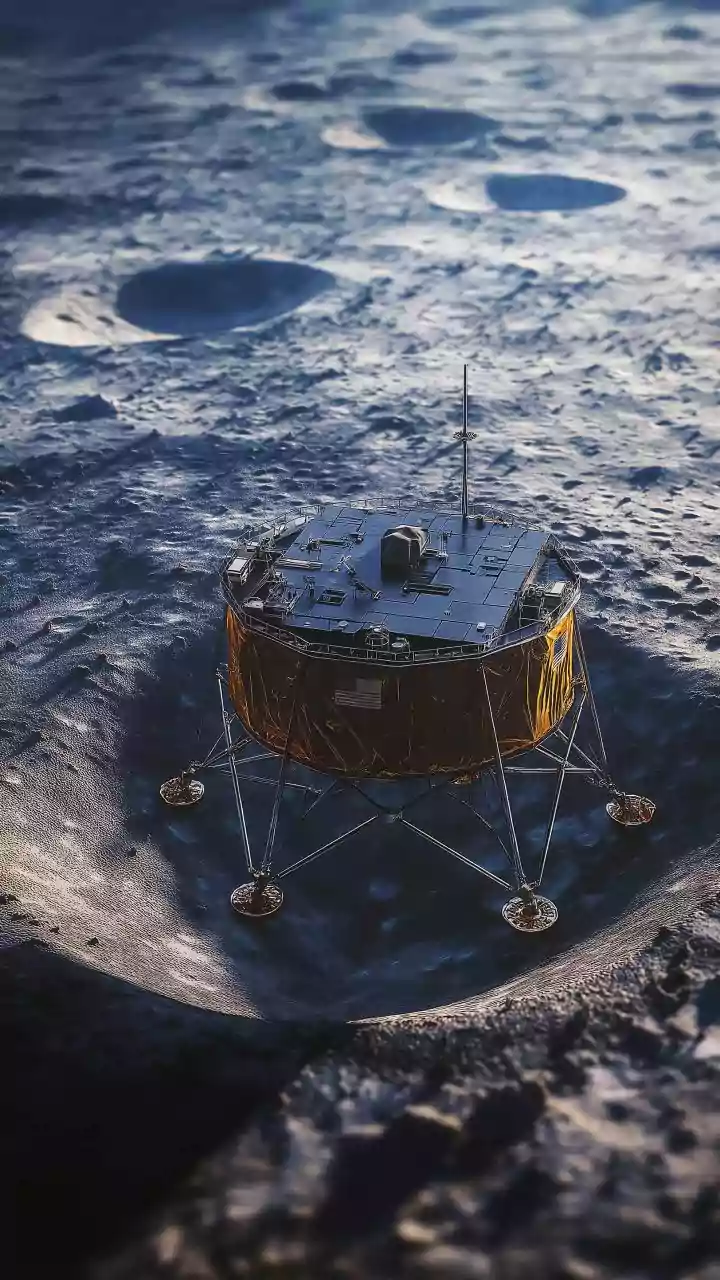
The word 'accessible' is what makes this new data a game-changer for lunar exploration. Previous findings often pointed to ice in extremely rugged terrain or at the bottom of craters that never see sunlight, making them treacherous for rovers and future mining equipment. Finding deposits in more manageable locations dramatically changes the feasibility of In-Situ Resource Utilization (ISRU), the concept of living off the land in space. Instead of planning missions around the most dangerous but resource-rich locations, space agencies can now target areas that offer a balance of safety and valuable resources. This is crucial for NASA's Artemis program and other international efforts, including joint missions between the US, Japan, and India, which aim to establish a long-term human presence on the Moon.
The Future 'Gold Rush' in Space
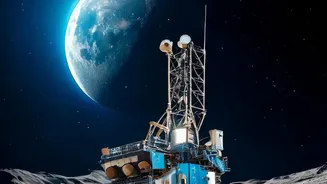
Why is water so important? It's not just for drinking. Water (H₂O) can be separated into hydrogen and oxygen. This provides breathable air for astronauts and, critically, the two primary components of rocket fuel. The ability to refuel on the Moon would effectively turn our celestial neighbor into a logistical hub or a 'gas station' for deeper space missions to Mars and beyond. Launching every drop of water and ounce of fuel from Earth is incredibly expensive; generating it on the Moon could slash mission costs and open up a new space economy. This discovery lays the groundwork for a potential 'gold rush' where nations and private companies compete to develop the technology to extract and commercialize these lunar resources.
What Happens Next?
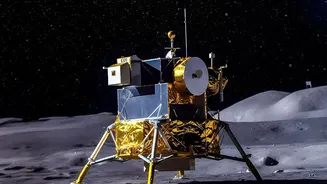
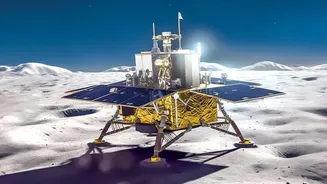
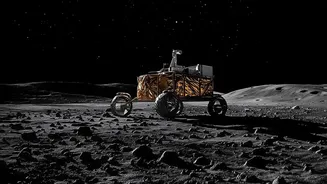
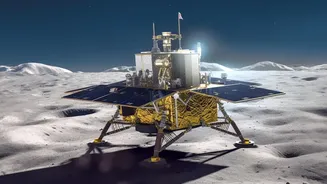
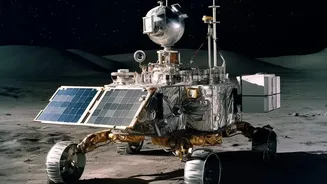
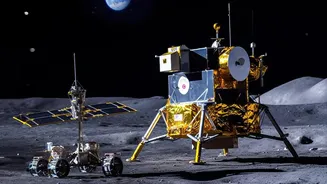
While the spectrometer scans provide a highly reliable map, the next step is to get 'ground truth'. This involves sending robotic rovers to the identified locations to drill, sample, and confirm the exact quantity and quality of the ice. Missions like the LUPEX rover, a joint project by Japan's JAXA and India's ISRO with a NASA-provided neutron spectrometer, are designed to do just that. Other planned missions, like China's Chang'e-7, will also carry instruments to study these polar regions. The data gathered by these surface missions will be vital for designing the mining equipment, water extraction plants, and life support systems needed to turn the promise of lunar water into a sustainable reality for future astronauts.