

The Protein Powder Boom
Protein supplements have become a mainstream phenomenon in India, moving from niche bodybuilding circles to the daily routines of office workers and health-conscious individuals. The market is booming, fueled by fitness trends and savvy marketing that
positions these powders as an essential shortcut to a healthier, stronger body. However, this trend overlooks a crucial question: are they always necessary? More importantly, are they always safe? Recent studies and guidelines from bodies like the Indian Council of Medical Research (ICMR) are urging caution. They warn against the prolonged intake of protein supplements, citing potential risks like kidney strain, digestive issues, and bone mineral loss. Furthermore, several investigations into popular brands in India have revealed alarming discrepancies, with products often containing less protein than advertised, and sometimes even harmful contaminants like heavy metals.
Whole Foods: The Original Superfood
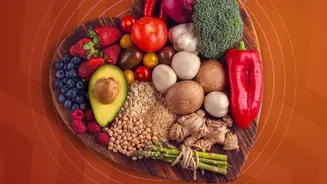
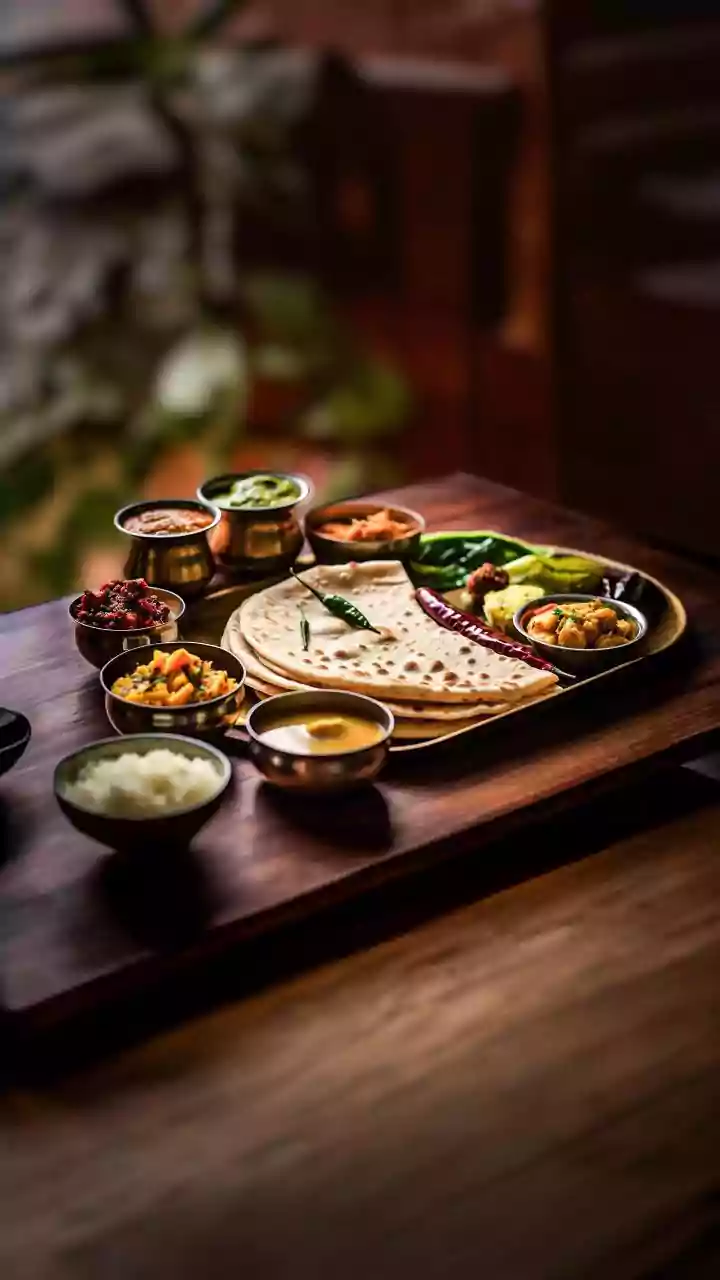
Before there were protein powders, there was food. And when it comes to nutrition, whole foods deliver more than just a single, isolated nutrient. A scoop of protein powder might give you 25 grams of protein, but a bowl of dal provides protein plus fibre, essential minerals, and vitamins. This concept is at the heart of dietary diversity. Whole foods like lentils, legumes, millets, and vegetables provide a complex matrix of nutrients that work together. Fibre aids digestion and keeps you feeling full longer, which is crucial for weight management. Micronutrients support everything from energy production to immune function. Processed supplements, on the other hand, often strip these co-factors away, and relying on them too heavily can lead to a nutrient imbalance, even if your protein intake is high.
Rediscover Your Pantry's Power: Dals and Legumes
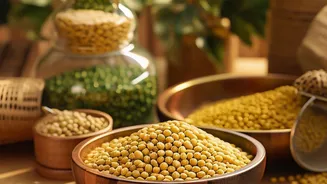
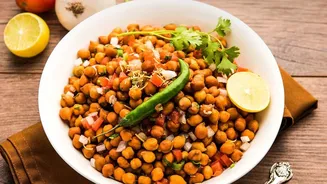
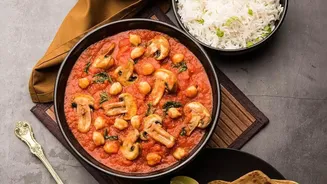
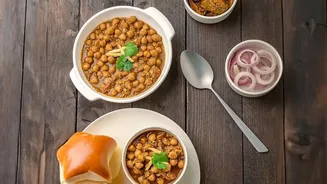
The humble Indian pantry is a powerhouse of nutrition. Take dals (lentils) and legumes, for example. From moong and masoor to rajma and chana, these are excellent sources of plant-based protein, and they are incredibly cost-effective. A single cup of cooked lentils provides around 18 grams of protein, along with a significant amount of dietary fibre, which is completely absent in most protein powders. These foods are the cornerstone of a balanced vegetarian diet and have been for centuries. Incorporating a variety of dals and legumes throughout the week ensures you get a broad spectrum of amino acids, vitamins, and minerals, contributing to sustained energy and better satiety than a quick shake.
The Mighty Return of Millets
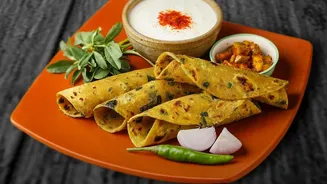
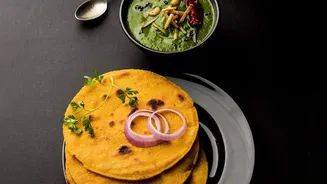
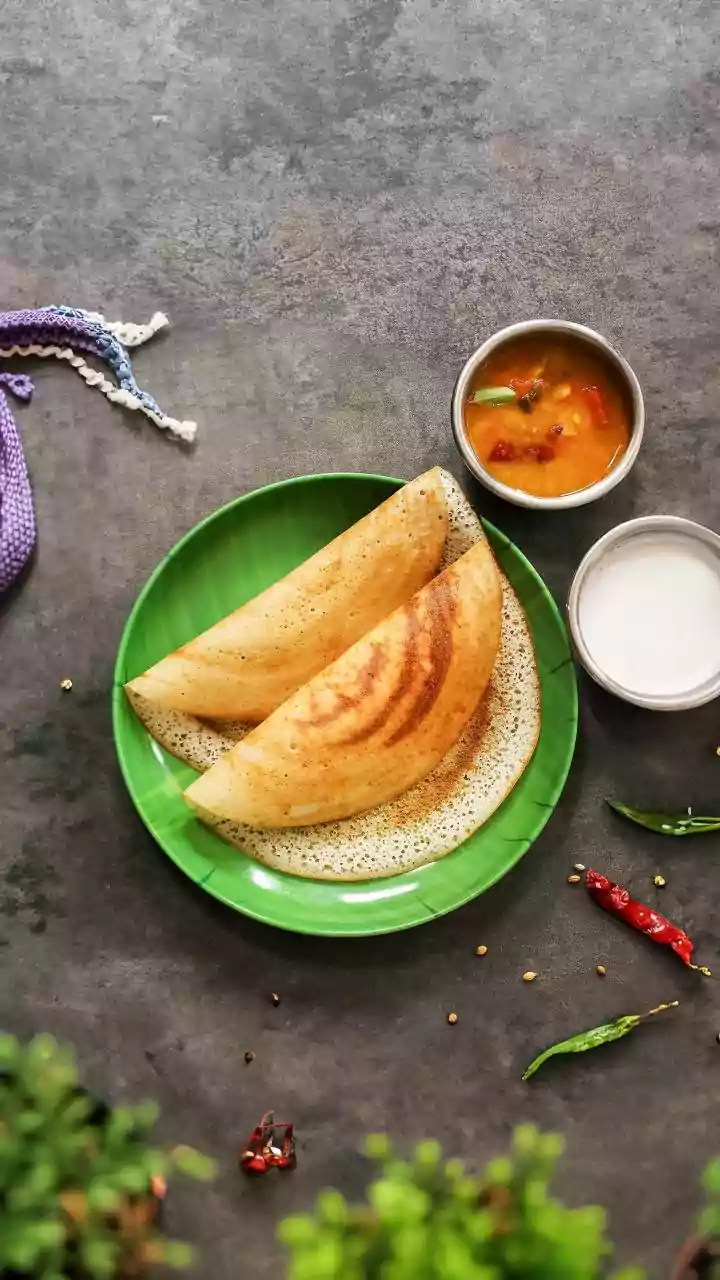
Once considered a traditional staple, millets are making a major comeback, and for good reason. Grains like ragi (finger millet), jowar (sorghum), and bajra (pearl millet) are nutritional giants. They are gluten-free, rich in fibre, and packed with essential minerals like calcium, iron, and magnesium. Ragi, for instance, contains about ten times more calcium than rice. Millets also have a low glycemic index, which helps in managing blood sugar levels and providing steady energy, making them an excellent alternative to refined grains like white rice and wheat. You can easily incorporate them as rotis, porridge, dosas, or even as a substitute for rice in pulao, adding a new dimension of nutrition and flavour to your meals.
Don't Forget Local Greens, Nuts, and Seeds
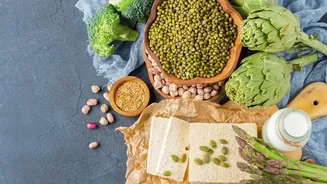
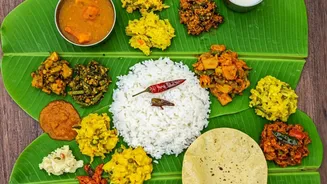
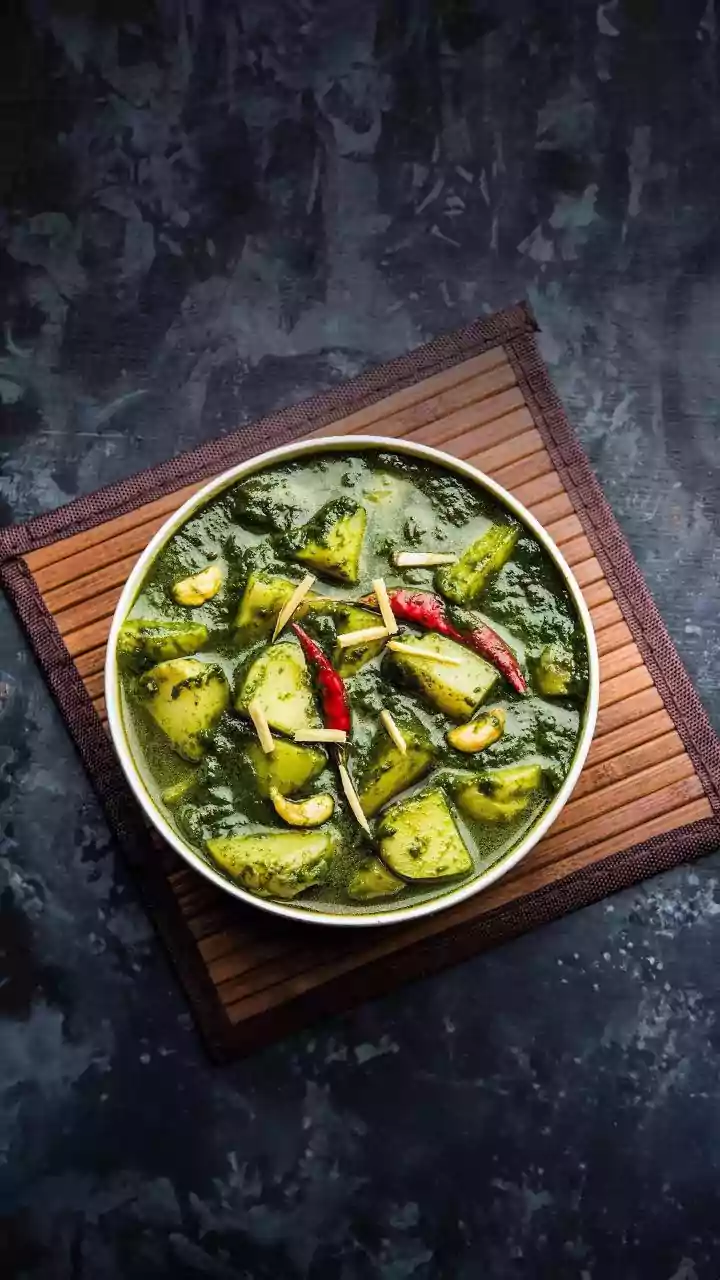
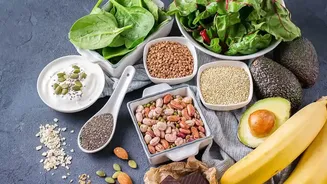
A truly diverse diet goes beyond grains and pulses. Seasonal, local vegetables and leafy greens are packed with vitamins, minerals, and antioxidants. Simple additions like paneer, curd, nuts, and seeds can also significantly boost the protein and nutrient content of your meals. A handful of peanuts or a serving of paneer can provide a substantial protein punch along with healthy fats and other micronutrients. These everyday foods are not only nutritionally dense but also culturally familiar and easier for our bodies to digest and assimilate. They offer a more holistic and sustainable approach to health, grounding our well-being in the rich culinary heritage of India.