

Methi na Gota from Gujarat
These deep-fried fritters are a quintessential Gujarati response to a rainy day. Methi na Gota are soft, spongy balls made from gram flour (besan), packed with fresh fenugreek (methi) leaves and a mix of spices like crushed black pepper and coriander
seeds. Unlike their crispier pakora cousins, the magic of a good gota lies in its texture: a lightly crisp exterior that gives way to a fluffy, airy inside. The slight bitterness of the methi leaves is beautifully balanced by the savoury, spiced batter, making them the perfect companion for a steaming cup of masala chai as you watch the downpour. They are a beloved tea-time snack across the state, especially during the monsoon months.
Pattoleo from Goa
Pattoleo is a fragrant, sweet delicacy that truly captures the essence of the Goan monsoon. This unique dish involves a paste of rice flour spread thinly over fresh turmeric leaves, which grow in abundance during the rainy season. The leaves are then filled with a sweet mixture of grated coconut, Goan jaggery, and a hint of cardamom before being folded and steamed. The steaming process infuses the rice dumpling with the subtle, earthy aroma of the turmeric leaf, creating a flavour that is both delicate and unforgettable. Traditionally prepared for festivals that fall during the monsoon, like the Feast of the Assumption on August 15th, Pattoleo is a beautiful celebration of seasonal ingredients.
Kollu Idli from South India
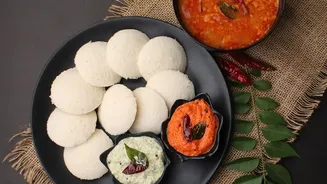
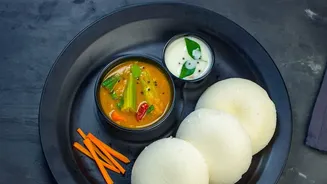
While idli is a pan-South Indian staple, this variation using kollu, or horse gram, is particularly well-suited for the damp, cool weather of the monsoon. Horse gram is a lentil known for its high protein content and warming properties, making it an ideal ingredient to combat the lethargy of a rainy day. The preparation is similar to regular idlis, with the horse gram being soaked and ground into the batter along with rice and urad dal. The resulting idlis are incredibly soft, fluffy, and have a distinct, nutty flavour. Served hot with a spicy chutney or sambar, these nutritious steamed cakes are a perfect, guilt-free way to start a monsoon morning on a comforting note.
Musur Daler Khichudi from Bengal
For many Bengalis, the sound of rain is incomplete without the aroma of Musur Daler Khichudi simmering on the stove. This isn't the drier, fluffy khichdi found elsewhere; this is a soulful, often runny porridge of rice and red lentils (musur dal), cooked with ginger, turmeric, and sometimes onions and garlic. Its comforting, mushy texture is its signature, making it the ultimate comfort food. It's a one-pot meal that warms you from the inside out and is light on the digestive system, which is traditionally believed to be weaker during the monsoon. Typically served with a dollop of ghee and accompaniments like a simple omelette or fried eggplant (begun bhaja), it’s a wholesome breakfast that feels like a hug in a bowl.
Aloo ke Gutke from Uttarakhand
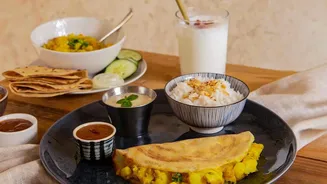
From the cool, rain-swept hills of Kumaon comes this simple yet profoundly satisfying dish. Aloo ke Gutke consists of boiled potato cubes tossed in a fragrant mix of local spices, with the most prominent flavours coming from mustard oil, jakhiya (a local wild mustard seed), and red chillies. It's a rustic, hearty preparation that provides instant warmth on a chilly, wet morning. This dish is a staple in the Pahadi diet and is often enjoyed for breakfast with hot, puffy puris or simple, triangular parathas. Its minimalist approach allows the flavour of the potatoes and the unique local spices to shine, offering a true taste of the mountains during the monsoon.