






The Most Direct Hit: Air Travel
The most immediate and obvious impact of rising oil prices is on airfares. The reason is simple: Aviation Turbine Fuel (ATF), the fuel that powers aircraft, is a direct derivative of crude oil. For Indian airlines, ATF constitutes a massive chunk of their
operating expenses—anywhere from 35% to 40%. When oil marketing companies raise ATF prices, as they have done for two consecutive months, airlines face a significant financial burden. For instance, on September 1, 2026, ATF prices were hiked by over 5%, bringing the price to over ₹121 per litre. While intense competition can sometimes force airlines to absorb a portion of this cost, they often have little choice but to pass the increase on to passengers through higher ticket prices or increased fuel surcharges. This means that the flight to Goa or Kerala you were planning could soon cost noticeably more.
On the Road: Taxis, Buses, and More
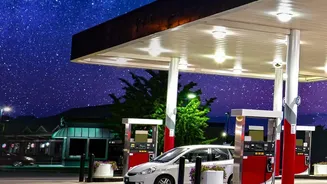
The impact isn’t limited to the skies. The petrol and diesel that fuel our cars, taxis, and buses are also directly affected by crude oil prices. When oil prices rise globally, the cost of transporting goods and people on the ground inevitably follows suit. This affects your travel budget from the moment you leave your house. The taxi to the airport, the bus to the hills, or the rented scooter at your beach destination will all cost more to operate. Tour operators and taxi unions often revise their fares in response to sustained fuel price hikes, meaning the cost of sightseeing and local transport can add an unexpected expense to your trip. Even if you drive your own vehicle, the higher cost of refuelling becomes an integral part of your holiday expenditure.
The Ripple Effect: Hotels and Food
The connection between oil and your hotel bill might seem less direct, but it’s very real. Hotels and resorts are logistics-heavy businesses. They rely on transportation for daily supplies, from fresh linens and toiletries to the food served in their restaurants. When diesel prices go up, the cost of transporting these goods increases, and suppliers pass that cost on. Furthermore, many establishments, especially in tourist hubs, use commercial LPG cylinders for cooking, the prices of which have also seen recent hikes. Similarly, restaurants at your destination face higher costs for a aying ingredients. Eventually, these increased operational costs are factored into room rates and menu prices, meaning you could end up paying more for your stay and your meals.
A Global Domino: The Rupee-Dollar Factor
There's another, more complex layer to this story: the currency exchange rate. India imports over 85% of its crude oil requirements, and these transactions are almost always settled in US dollars. When global oil prices rise, India's import bill swells, increasing the demand for dollars in the domestic market. This can put downward pressure on the Indian Rupee. A weaker rupee makes each barrel of oil even more expensive to purchase in our local currency, creating a challenging cycle. So, even if the base price of oil stays the same for a day, a dip in the rupee's value can still lead to higher fuel costs at home, further straining the travel ecosystem.
How to Plan Your Next Trip
With geopolitical tensions contributing to price volatility, the upward trend in travel costs may continue. For travellers, this means being strategic. Booking flights and accommodation well in advance can help you lock in prices before potential future hikes. Keep an eye out for airline and hotel deals, and consider being flexible with your travel dates; travelling during the shoulder or off-season often yields significant savings. It's also wise to build a buffer into your travel budget to account for these rising costs, from higher cab fares to pricier meals. While rising oil prices present a challenge, smart planning can help ensure your holiday doesn't break the bank.