






What Exactly Is the Cooling Trap?
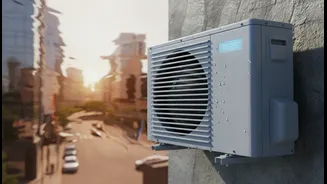
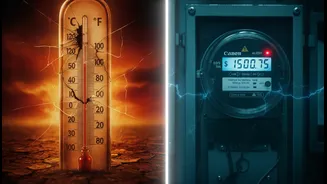
The cooling trap is a self-reinforcing cycle. It begins with rising temperatures and growing household incomes, which drive a massive surge in air conditioner sales. While AC penetration in India is still relatively low compared to other nations, it's
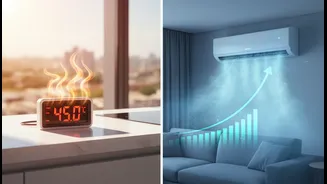
one of the fastest-growing appliance markets. This boom in AC units leads to a dramatic spike in electricity demand, especially during peak summer hours. To meet this demand, power grids are strained, often relying on fossil fuel plants, which in turn release more greenhouse gases. These emissions contribute to climate change, leading to even hotter temperatures and, consequently, an even greater need for air conditioning. It's a classic vicious cycle where the solution to a problem (heat) worsens the root cause.
The High Cost of Staying Cool
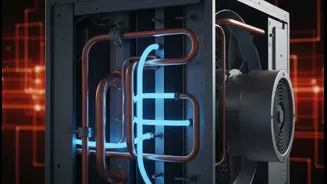
The consequences of this trap are felt at every level. For households, the most immediate impact is on electricity bills, which can soar during summer months. For the nation, the strain on the power grid is immense. Room air conditioners already account for nearly a quarter of India's peak electricity demand, and this is projected to grow significantly. This surge risks power shortages and blackouts, and necessitates massive, costly investments in new power infrastructure. The environmental toll is twofold. First, the sheer energy consumption contributes heavily to CO2 emissions. Second, the refrigerants used in many ACs, such as hydrofluorocarbons (HFCs), are potent greenhouse gases, often thousands of times more powerful than carbon dioxide. Unchecked, these emissions could undermine India's climate goals.
Breaking the Cycle: Efficiency Is Key
The good news is that we are not powerless. A major part of the solution lies in improving energy efficiency. India's Bureau of Energy Efficiency (BEE) has been progressively tightening standards for ACs through its star rating system, which has already led to significant efficiency gains over the years. Opting for a 5-star rated inverter AC over a lower-rated model can lead to substantial savings on electricity bills and reduce a household's carbon footprint. The government's India Cooling Action Plan (ICAP), launched in 2019, provides a roadmap to reduce cooling demand by 20-25% and energy requirements by 25-40% by 2037-38. The plan advocates for more efficient appliances, a transition to refrigerants with lower global warming potential, and smarter building design.
Thinking Beyond the AC Unit
Technology alone won't solve the problem. A crucial, often overlooked, solution is 'passive cooling'—designing and retrofitting buildings to stay cool naturally. Simple, often traditional, methods can make a huge difference. This includes installing cool roofs with reflective paints or tiles, adding shading to windows and walls, ensuring cross-ventilation, and using insulation. Innovative Indian startups are also reviving and modernizing techniques like using terracotta installations that cool air through water evaporation. Even small behavioral changes, like setting the AC thermostat to a default temperature of 24-26°C and using a fan concurrently, can significantly reduce energy consumption without sacrificing comfort.