





Why Plants Grow So Fast in Monsoon
The monsoon is nature's catalyst for growth. The combination of consistent moisture, higher humidity, and cooler temperatures creates the perfect storm for plants to thrive. Rainwater itself is a blessing; it's naturally soft, slightly acidic, and even
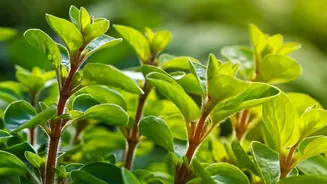
contains small amounts of nitrogen, a key nutrient for leafy growth. During thunderstorms, lightning actually fixes atmospheric nitrogen, dissolving it into raindrops as nitrates—a ready-to-use fertiliser delivered straight to the roots. This cocktail of ideal conditions signals to plants that it's time for a growth spurt, causing them to push out new leaves and shoots at an accelerated pace.
The Dangers of a Crowded Pot
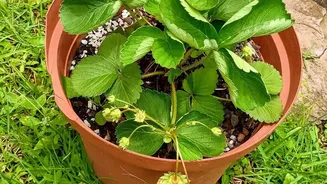
While a dense, jungly look is appealing, overcrowding is a serious threat to the health of your balcony plants. When plants are packed too tightly, they are forced into a fierce competition for essential resources like light, water, and soil nutrients. This battle can lead to stunted growth for weaker plants. More critically, the lack of air circulation in a crowded pot creates a humid microclimate. This stagnant, moist air is an ideal breeding ground for fungal diseases like powdery mildew and root rot, which are common challenges during the damp monsoon months. Pests also find it easier to spread from one plant to another in dense foliage.
Signs Your Balcony Garden is Too Full
Learning to spot the signs of overcrowding early can save your plants. Look for yellowing leaves, especially on lower parts of the plant, which can indicate a lack of light or nutrients. Stunted or weak-looking growth, compared to previously vigorous plants, is another red flag. You might also notice that the soil dries out much faster than usual, as multiple root systems are all drawing water from the same limited source. Visually, if you can no longer see the soil surface or have difficulty reaching all your plants to water them properly, it's a clear sign that things have become too crowded. Finally, any appearance of mould, mildew, or a rapid spread of pests should be treated as an urgent symptom of poor air circulation.
The Solution: Pruning and Thinning
Pruning is your most powerful tool to manage monsoon growth. Regularly trimming your plants not only controls their size but also improves air circulation and allows light to penetrate deeper into the plant, encouraging healthier, more robust growth. Use clean, sharp shears to remove any dead, yellowing, or diseased leaves and stems. This helps prevent the spread of infections. Thin out dense areas by selectively cutting back some branches to their origin. For flowering plants, removing spent blooms (deadheading) will encourage the plant to produce more flowers instead of putting energy into seed production.
When to Repot for More Space
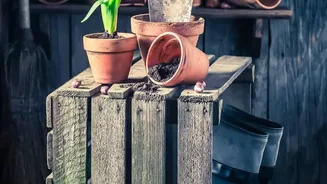
Sometimes, pruning isn't enough. If a plant has truly outgrown its home, repotting is the next step. The monsoon season is an excellent time to do this, as the high humidity helps plants recover from the shock of being moved. Choose a new pot that is only one or two inches larger in diameter than the current one. A pot that is too large can hold excess water, leading to root rot. When repotting, use a fresh, well-draining potting mix. You can improve drainage by adding materials like coco peat or sand to your soil mix. This is crucial during the rainy season to prevent waterlogging, which can suffocate plant roots.
Smart Management for a Healthy Balcony
Beyond pruning and repotting, a few other habits can help. Ensure every pot has working drainage holes to let excess water escape. Consider placing pots on stands or bricks to lift them off the ground, further improving drainage and airflow. Space your pots out as much as your balcony allows to prevent leaves from touching, which helps reduce the spread of fungal diseases. Finally, get into the habit of observing your plants regularly. A quick daily check will help you catch any problems early, long before they become unmanageable.