
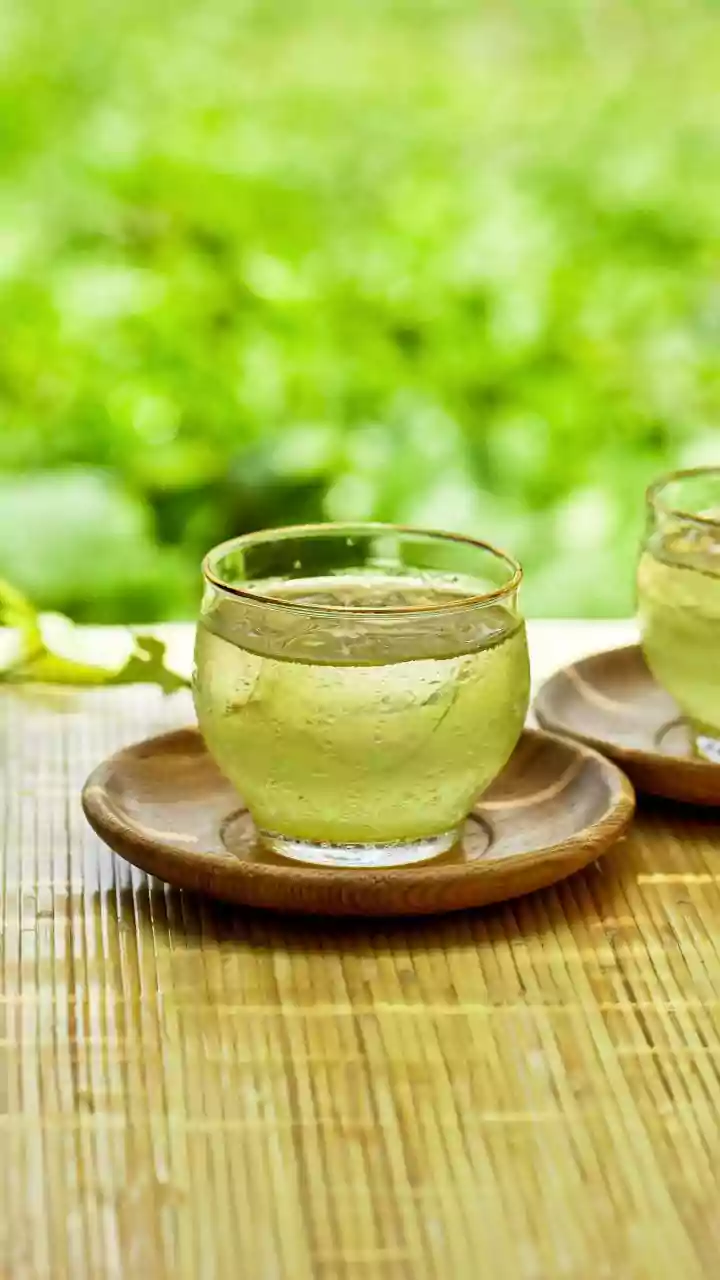





The Gentle Art of Cold Infusion
Unlike traditional brewing that relies on heat, cold infusion is the simple art of steeping tea leaves in cold or room-temperature water for an extended period, typically between four and twelve hours. Think of it as a slow-cooking method for your tea.
The process is patient, using time instead of temperature to gradually draw out the flavours and compounds from the leaves. The result is a brew that is noticeably less bitter and astringent. This happens because cold water is less efficient at extracting tannins, the compounds responsible for the sharp, sometimes bitter taste in hot-brewed tea. This creates a naturally sweeter, smoother, and more nuanced drink.
An Antioxidant-Rich Elixir
The headline claim revolves around antioxidants, and the science is compelling, albeit nuanced. Some research suggests that cold brewing can preserve delicate antioxidants like catechins, which can degrade under high heat. One study noted that while hot water generally extracts more antioxidants, cold brewing showed higher levels for white tea. Another study found that cold infusion was more efficient overall in extracting bioactive compounds. The gentle nature of cold steeping helps protect these fragile but beneficial molecules, delivering a brew packed with potential wellness perks. Teas are rich in polyphenols and flavonoids, antioxidants known for supporting the immune system and protecting cells from damage.
Choosing Your Tea: The Orthodox Method
Not all teas are created equal. The headline specifies Orthodox teas, which refers to a traditional, more artisanal method of processing. Unlike the common CTC (Crush, Tear, Curl) method used for most mass-market tea bags, Orthodox production focuses on keeping the tea leaf whole or largely intact. The leaves are carefully withered, rolled, and dried to develop complex flavours and aromas. This careful handling results in a more delicate and layered taste profile, which is ideal for the slow extraction of cold brewing. Orthodox teas allow the subtle notes of honey, fruit, or malt to emerge gradually, creating a more sophisticated final drink.
The Power of Regional Tulsi
Tulsi, or Holy Basil, holds a revered place in Indian households and Ayurvedic tradition for good reason. For centuries, it has been used to support immunity, reduce stress, and promote overall wellbeing. India is home to several varieties, each with a unique character. Rama Tulsi, a green-leafed type, has a milder, sweeter fragrance and is often used for its cooling properties. Krishna Tulsi, with its distinctive purple leaves, has a sharper, more peppery taste and is considered therapeutically potent, especially for respiratory health. Vana Tulsi, a wild variety, is known for its distinct aroma. Pairing these with tea adds a layer of herbal complexity and adaptogenic benefits.
Crafting Your Own Cold Infusion
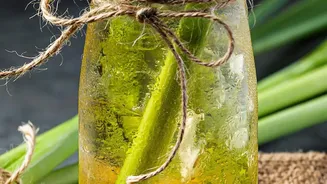
Making your own cold-infused tea is surprisingly simple and requires no special equipment. Start with a clean glass jar or pitcher. For every litre of cool, filtered water, add about two tablespoons of loose-leaf Orthodox tea and one tablespoon of dried Tulsi leaves (or a few sprigs of fresh Tulsi). You can adjust these ratios to your preference. Cover the container and place it in the refrigerator. Let it steep for at least 6 to 12 hours; lighter green and white teas may need less time, while robust black teas can handle a longer infusion. Once steeped, strain the leaves and your refreshing, flavourful brew is ready to enjoy. It can be stored in the fridge for several days without losing its smooth taste.