

Beyond the Single Ceiling Light
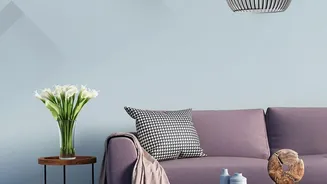
For decades, lighting in many Indian homes was purely functional, often limited to a single bright ceiling fixture. Today, designers and homeowners are embracing a more sophisticated, layered approach. This involves combining three distinct types of lighting.
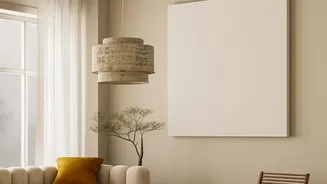
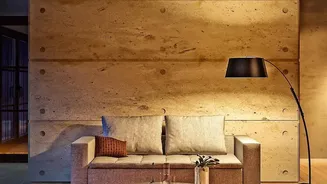
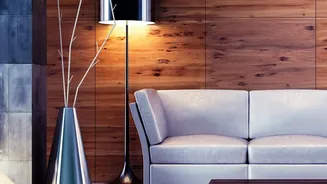
First is 'ambient' light, the general illumination from sources like false ceiling cove lights or a central pendant lamp. Then comes 'task' lighting, which is focused on specific activities, such as a floor lamp by a sofa for reading or a stylish table lamp on a console. This functional layer ensures comfort and usability. The final, transformative layer is 'accent' lighting, which is often the most overlooked but adds the most character.
Creating Mood with Accent Lights
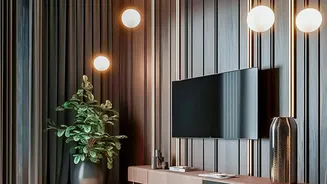
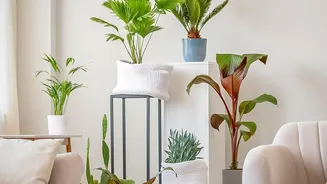
Accent lighting is where the magic truly happens. It's the strategic use of light to create drama, draw attention to architectural features, and highlight decor. Think of a spotlight focused on a piece of art, wall-washer lights grazing a textured wall to bring out its depth, or soft uplighting behind a large indoor plant. This approach moves away from simply flooding a room with light and instead creates pockets of warmth and shadow, making the space feel more intimate and inviting in the evenings. This technique is key to achieving a high-end, curated look that feels both luxurious and comfortable. Using warm-toned bulbs (around 3000K) enhances this effect, complementing the earthy colours and wooden furniture popular in contemporary Indian interiors.
A Feast for the Senses
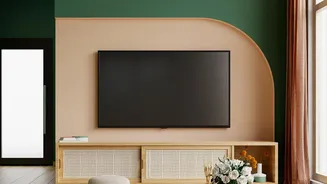
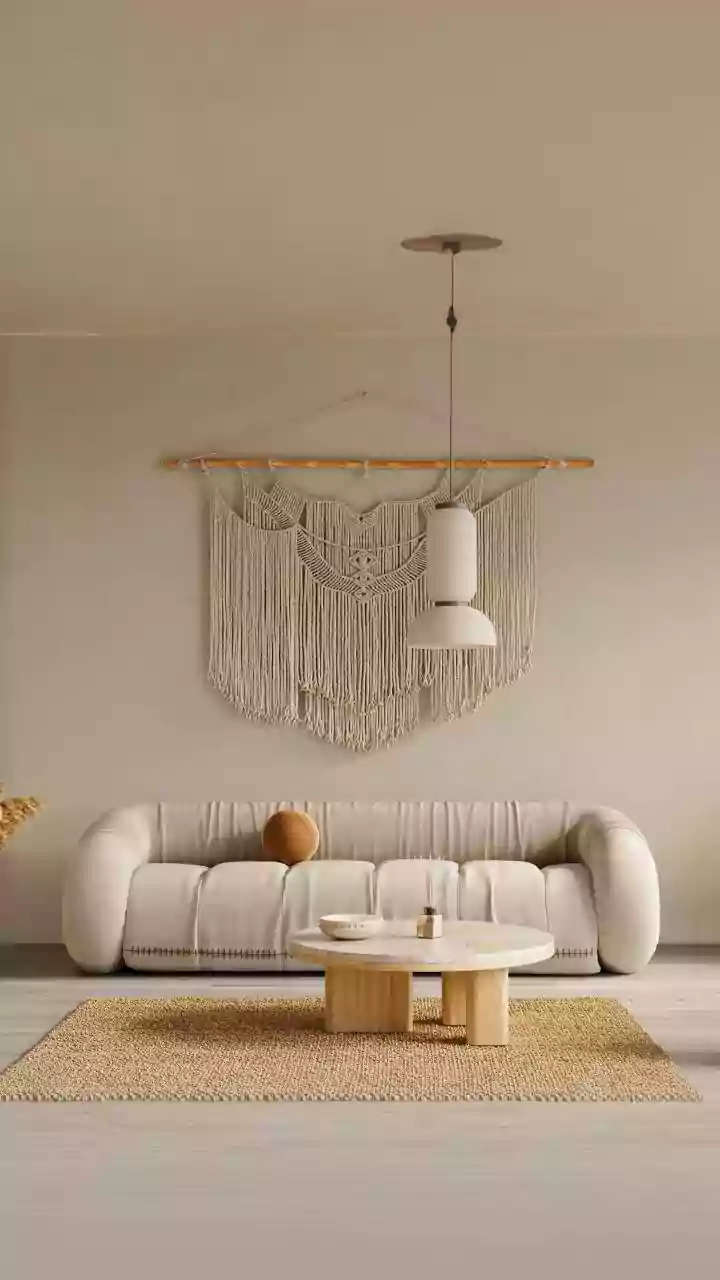
Parallel to the evolution in lighting is a growing obsession with texture. The sleek, glossy, and perfectly smooth surfaces that once defined modern design are now being balanced with materials that engage the sense of touch. This trend is a clear move towards 'warm minimalism', where spaces remain uncluttered but feel cozy and soulful. Designers are incorporating a wide array of textures to add visual weight and character. Accent walls are a popular vehicle for this, featuring everything from fluted wooden panels and textured paint to natural stone cladding or even fabric panels. The goal is to create contrast and prevent the room from feeling one-dimensional.
Weaving in Natural Materials
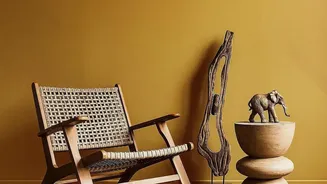
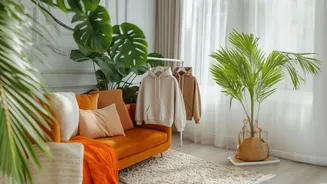
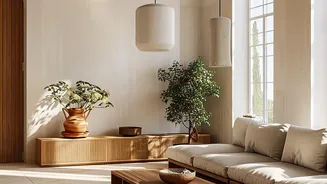
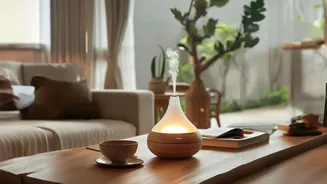
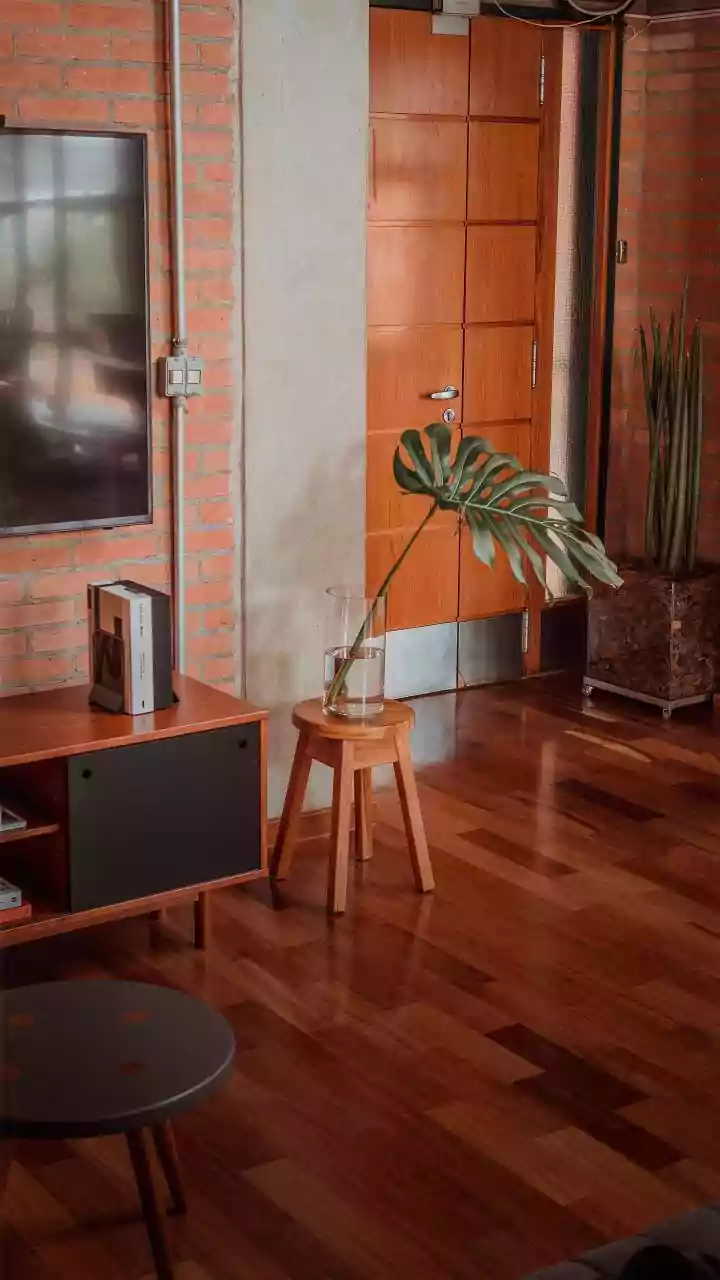
A significant part of this textural exploration involves embracing natural and handcrafted materials. Jute rugs, linen curtains, rattan furniture, and rough-hewn wooden coffee tables are increasingly finding their way into urban Indian living rooms. These elements provide a welcome contrast to smoother surfaces like marble floors or polished cabinetry, adding a layer of rustic charm and warmth. This trend also connects to biophilic design, the idea of bringing the outdoors in to create a calming environment. Beyond just furniture, traditional Indian textiles like handwoven throws and cushions with intricate embroidery add another layer of texture and cultural richness, blending heritage with a modern aesthetic.