


The Science of Green Lungs
The idea that plants can clean the air isn't just folklore; it has scientific roots. A well-known 1989 NASA study found that common houseplants could remove harmful volatile organic compounds (VOCs) like formaldehyde and benzene from sealed chambers.
These are chemicals often found in everyday items like furniture, paints, and cleaning supplies. The plants absorb these pollutants through their leaves and transport them to their roots, where microbes in the soil help break them down. While a few plants won't single-handedly defeat severe smog, they are a vital part of a multi-layered strategy for a healthier indoor environment.
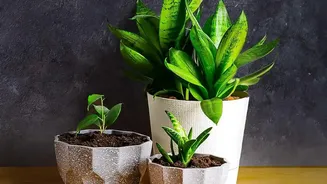
1. Snake Plant: The Hardy Night Worker
The Snake Plant, or Sansevieria, is almost impossible to kill, making it perfect for beginners. What makes it a superstar for smoggy cities is its ability to perform photosynthesis at night, releasing oxygen when you need it most while you sleep. It's effective at filtering formaldehyde, benzene, and xylene from the air. Because it thrives on neglect—tolerating low light and infrequent watering—it’s one of the most cost-effective and low-maintenance air purifiers you can own. You can find small ones at local nurseries for a very reasonable price.
2. Areca Palm: The Natural Humidifier
With its lush, feathery fronds, the Areca Palm is more than just a decorative piece. It's a powerhouse at removing airborne toxins and, importantly, it releases a significant amount of moisture into the air. This is a huge benefit during Delhi's dry winters, as it can help combat dry skin, scratchy throats, and sinus issues. It needs a bit more care than a snake plant, preferring bright, indirect light and consistent watering, but its air-purifying and humidifying benefits make it a worthy addition to any living room.
3. Money Plant: The Ubiquitous Purifier
Chances are you've seen a Money Plant (Epipremnum aureum or Pothos) in a friend's home. This fast-growing vine is incredibly popular in India for a reason: it thrives almost anywhere and is exceptionally easy to grow, even in water. NASA's study highlighted its efficiency in removing formaldehyde and benzene. Its versatility means you can place it on shelves, in hanging baskets, or let it trail down a wall, increasing your green footprint without taking up floor space. It’s a true workhorse of the plant world.
4. Spider Plant: The Prolific Propagator
The Spider Plant is another champion purifier, known for tackling formaldehyde and xylene. One of its most cost-effective features is how easily it reproduces. It sends out 'spiderettes', or baby plants, that can be snipped off and repotted to create new plants for free. This means you can start with one or two and quickly build up a small indoor jungle. They are also non-toxic, making them a safe choice for homes with pets and children.
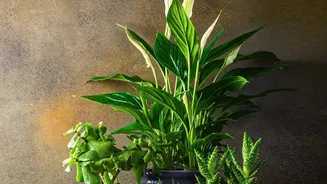
5. Peace Lily: The Elegant Toxin Fighter
The Peace Lily is one of the few air-purifying plants that also flowers indoors, producing elegant white blooms. It’s particularly adept at removing ammonia, a common component of cleaning products, in addition to benzene and formaldehyde. It prefers shady spots and moist soil, and its drooping leaves are a clear sign it needs water, taking the guesswork out of its care. Its ability to fight a wide range of toxins while adding a touch of grace makes it a household favourite.
A Realistic Green Strategy
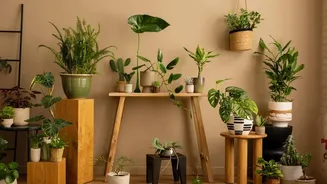
While these plants are effective, it's important to be realistic. A single plant in a large room won't make a dramatic difference. Studies suggest you need a healthy density of plants—about one plant per 100 square feet—to have a noticeable impact. The key is to see them as a component of your defence, not the entire solution. Combining a collection of these plants with other smart habits—like keeping windows closed during peak pollution hours and ensuring good ventilation when the air outside is cleaner—creates a more robust defence against smog. Wiping dust off their leaves regularly also helps them breathe and do their job effectively.