



The Unseen Dangers of Hand Contact
Even hands that appear clean can carry millions of microorganisms. Your hands can pick up germs from countless surfaces and then transfer them to ready-to-eat foods like chips, nuts, or salads. Studies have shown that people often fail to wash their hands correctly
or as frequently as needed, especially in social or busy settings. This creates a direct pathway for bacteria and viruses to contaminate a shared food source, where they can then be picked up by the next person who reaches in. This process is known as cross-contamination and is a leading cause of foodborne illness.
Why Scoops Are a Superior Barrier
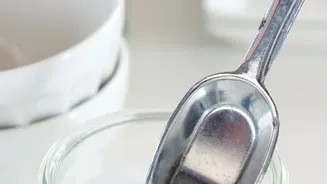
Using a utensil like a scoop, tongs, or a serving spoon creates a physical barrier between hands and food. This simple step significantly minimizes the transfer of germs. While disposable gloves can also serve as a barrier, they are not a perfect solution and can become contaminated just like hands if they touch other surfaces. A dedicated scoop for each dish is a more reliable method for communal serving. It prevents multiple people from introducing microbes from their hands into a single container of food, protecting everyone who partakes.
It’s Not Just for Snack Bowls
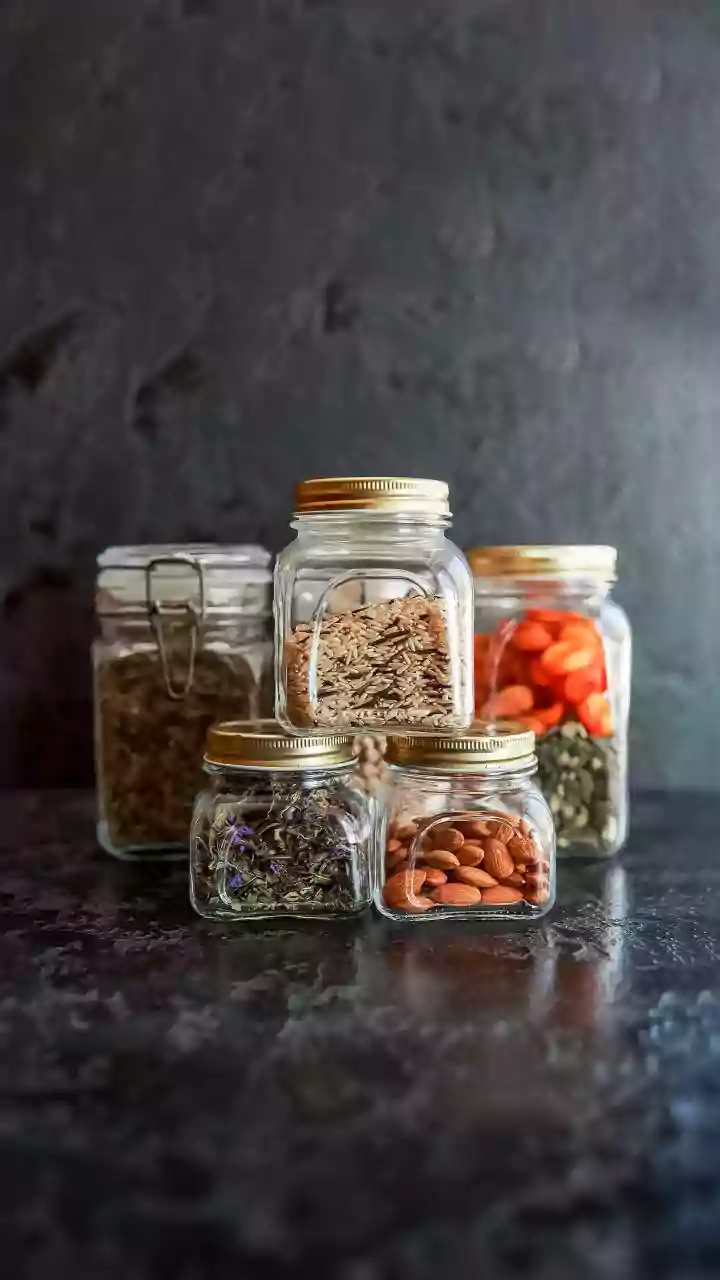
The principle extends far beyond a bowl of pretzels. In any situation where you are serving from a larger container, a scoop is essential for hygiene. This is especially true for ice, which is technically considered a ready-to-eat food by regulatory bodies. Using your hands or a glass to scoop ice is a common health code violation because it can introduce bacteria into the ice bin or cause glass to chip. The same logic applies to bulk items in the kitchen, such as flour, sugar, or oats. Keeping a dedicated scoop in or near each container prevents cross-contamination between ingredients and keeps your food safer.
Best Practices for Using Scoops
To maximize food safety, it's important to use scoops correctly. Ideally, the scoop should be stored outside the food container, in a clean, designated holder. Leaving a scoop inside a bin, especially a cold one like an ice chest, can introduce contamination from the handle and create a place for bacteria to grow. The scoop itself should be made of a non-porous material, like stainless steel, which is easy to clean and sanitize. It's also wise to use different scoops for different foods to avoid cross-contact, which is particularly important for preventing the spread of allergens. Remember to wash the scoops regularly with hot, soapy water, just as you would any other utensil.