


The Challenge of Thin Air
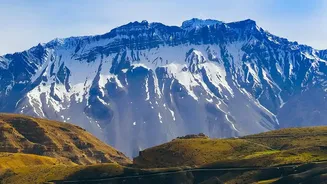
Spiti is a cold desert where altitudes range from 3,000 to over 4,500 metres. Kaza, its main town, sits at a lofty 3,800 metres (around 12,500 feet). At these elevations, the air contains significantly fewer oxygen molecules with every breath. This can lead
to Acute Mountain Sickness (AMS), a condition with symptoms like headaches, nausea, dizziness, fatigue, and loss of appetite. AMS is not a sign of physical weakness; it can affect anyone who ascends too quickly, regardless of age or fitness level. The only reliable cure for advancing symptoms is to descend to a lower altitude immediately.
Kaza: Your High-Altitude Basecamp
Kaza serves as the logistical and commercial hub for travellers in Spiti. While some may see it as just a functional town, its real value lies in its altitude. Arriving in Kaza, whether from Manali or Shimla, represents a significant jump in elevation. Spending at least 48 hours here gives your body the mandatory time to begin acclimatising—a process of adjusting to the lower oxygen levels. This period allows your body to start making crucial physiological changes, such as increasing your breathing depth and beginning the process of producing more red blood cells to transport oxygen more efficiently.
What 'Resting' Really Means
An acclimatisation period in Kaza is not about being completely sedentary. The advice is to rest, but this includes light activity. On your first day, you should avoid any strenuous exertion. Gentle walks around the town are encouraged, as they help your body adjust without over-stressing it. This strategy is part of the 'climb high, sleep low' principle, where minor daytime activity is fine as long as you return to your base altitude to rest. During these two days, it is vital to drink plenty of water (4-5 litres a day), eat carbohydrate-rich meals, and strictly avoid alcohol, which can hinder the acclimatisation process and worsen dehydration.
Why AMS Ruins Stargazing
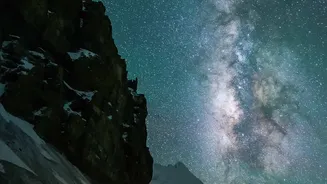
The connection between proper acclimatisation and enjoying Spiti's night sky is direct and uncompromising. The primary symptoms of AMS—a throbbing headache, dizziness, and nausea—make it nearly impossible to enjoy any activity, let alone one that requires focus and patience in the freezing cold. You cannot appreciate the cosmic dust lanes of the Milky Way if you are battling a splitting headache or feeling unwell. Stargazing in Spiti often involves staying outdoors for extended periods in sub-zero temperatures. Without proper acclimatisation, your body will lack the energy and wellness needed to withstand the cold and fully immerse itself in the celestial display.
The Reward: A Clear Mind for a Clear Sky
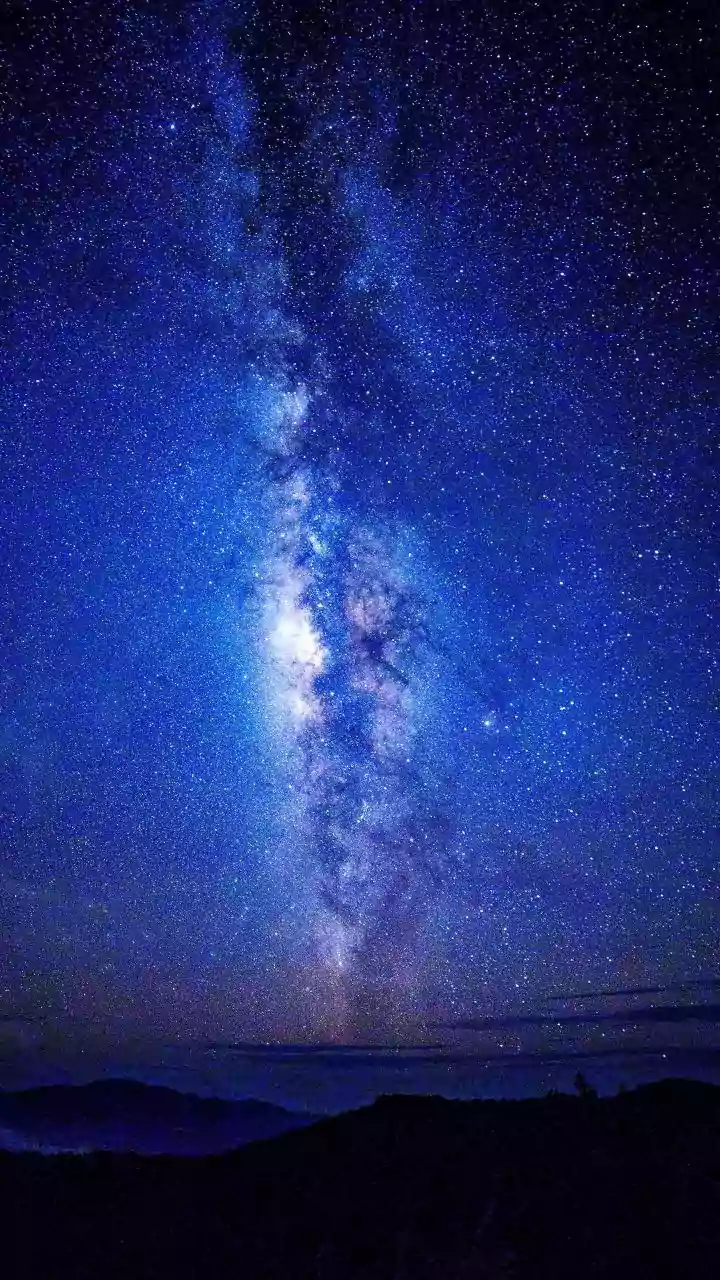
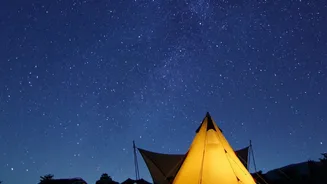
Spiti's skies are rated Bortle 1, the darkest possible, meaning the Milky Way can be seen with the naked eye in stunning detail. The high altitude and dry desert air result in incredible transparency, getting you above the atmospheric haze that blurs stars elsewhere. By investing two days to acclimatise in Kaza, you are ensuring you are physically and mentally prepared to take advantage of this. With a clear head and a body that has adjusted to the altitude, you can comfortably travel to even higher, darker sites like Langza, Komic, and Kibber (all above 4,200 metres) and spend hours marvelling at one of nature's greatest shows. That patience is the small price for an unforgettable cosmic experience.