
A Trail Unlike Any Other
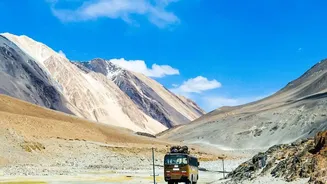
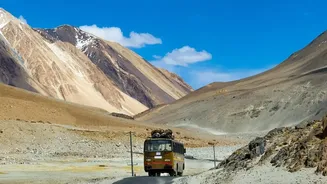
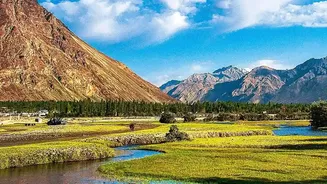
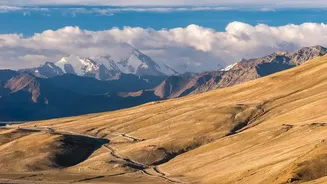
When you think of a trail in Ladakh, you likely picture a rugged path through high-altitude passes. The region's newest attraction, however, redefines the concept. The talk of the travel world in August 2026 is a 200-kilometre culture-and-nature corridor
stretching from Leh to Kargil. This is not a trek in the traditional sense, but an immersive art journey created for the Ladakh Biennale 2026. Running from August 1 to 10, the event has transformed this iconic route into one of the world's most spectacular open-air galleries. It's an invitation for travellers to engage with the landscape in a completely new way, where contemporary creativity meets ancient vistas.
Art That Breathes with the Landscape
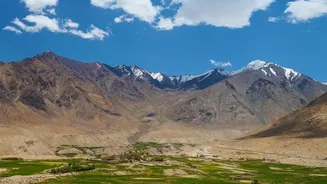
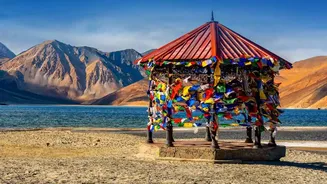
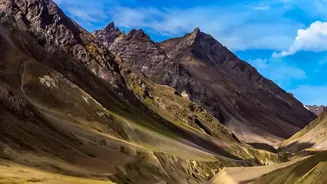
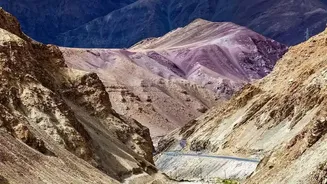
The core philosophy of this trail is 'regenerative art'. Instead of placing art in a sterile gallery, installations from local, national, and international artists are integrated directly into the Himalayan environment. The artworks are crafted from locally sourced, biodegradable, and recycled materials, designed to interact with the landscape rather than dominate it. Imagine stumbling upon a thought-provoking sculpture against the backdrop of a barren mountain or an installation that whispers in the wind along a riverbed. This approach encourages a deeper conversation about sustainability, ecology, and the relationship between Ladakh's communities and their fragile, beautiful home. It turns a simple journey into a powerful dialogue between people, nature, and tradition.
A Journey Through History's Heart
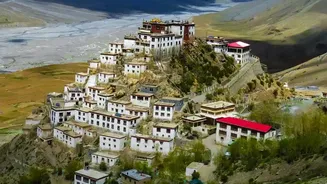
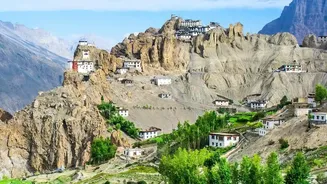
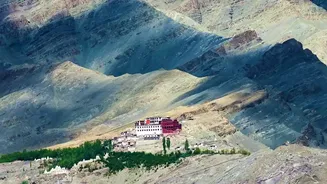
The art trail strategically weaves through eight culturally and historically significant locations: Leh, Kargil, Lamayuru, Basgo, Likir, Nurla, Mulbekh, and Hunderman. These are not random points on a map; they are destinations steeped in heritage, home to ancient monasteries and remote villages. The biennale encourages visitors to go beyond mainstream tourist sites and explore these lesser-known gems. By placing art in these contexts, the trail adds a fresh layer of discovery to familiar places. Travellers get to experience the serene spirituality of Lamayuru Monastery or the historical significance of Mulbekh with a new, creative lens, making the journey a pilgrimage of both culture and art.
Redefining Sustainable Tourism
This innovative trail is more than just an event; it's a potential blueprint for the future of tourism in sensitive ecosystems. By decentralising attractions along a 200-km route, it encourages a more distributed and sustainable form of travel. It draws visitors into the heart of the region, fostering connections with local communities and heritage. This model proves that tourism can enrich a destination culturally and economically without overburdening its most famous spots. The emphasis on environmental awareness and regenerative practices reflects a growing global trend towards more mindful travel, where the goal is to leave a place better than you found it, or at the very least, to appreciate it without causing harm.
Planning Your Cultural Expedition
For those intrigued by this unique experience, the logistics are refreshingly straightforward. Access to the art installations along the trail is free for all visitors. However, organisers require advance registration to manage the flow and communicate important updates. Perhaps the most crucial piece of advice for any traveller to Ladakh is to respect the altitude. Organisers strongly advise spending at least 48 hours acclimatizing in Leh (which sits at over 3,000 metres) before venturing further along the trail. This is not just a suggestion but a vital health precaution to ensure you can fully and safely enjoy the unprecedented blend of Himalayan grandeur and artistic innovation.