






The Annual Pollution Crisis
Every winter, a combination of factors conspires to choke the skies of the National Capital Region. Stubble burning in neighbouring agricultural states, vehicular emissions, construction dust, and industrial pollution all contribute to a toxic mix of particulate
matter and harmful gases. Meteorological conditions like lower temperatures and slower wind speeds trap these pollutants close to the ground, creating a thick layer of smog that poses serious health risks, particularly for children and the elderly. This recurring public health emergency forces residents to find ways to protect themselves within their own homes.
Creating a Green Sanctuary Indoors
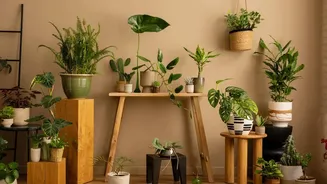
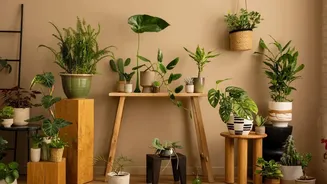
While mechanical air purifiers have become a common sight, there's a growing trend towards a more natural solution: indoor plants. More than just decorative items, certain houseplants are known for their ability to improve indoor air quality. This has made them an increasingly popular choice for urban dwellers looking to create a healthier living environment. This shift is part of a larger wellness movement that recognises the powerful connection between nature and our well-being, even when we're stuck indoors.
The Science of Green Lungs
The idea that plants can clean the air was popularised by a 1989 NASA study, which found that certain common houseplants could effectively remove volatile organic compounds (VOCs) like benzene and formaldehyde from sealed chambers. These chemicals are often released by furniture, paints, and cleaning products. However, it's important to have realistic expectations. A typical home is not a sealed chamber, and you would need a very large number of plants to match the air-cleaning capacity of good ventilation or a HEPA filter, especially for particulate matter like PM2.5. While they are not a magic bullet against heavy smog, these plants are excellent at filtering certain gaseous pollutants and contributing to a more pleasant and healthier indoor atmosphere as part of a broader strategy.
Your Indoor Air-Quality Toolkit: 5 Key Plants
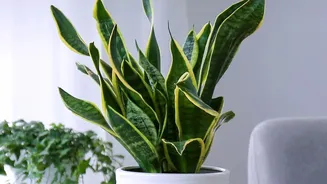
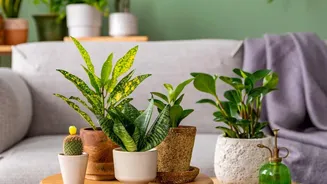
For those in Delhi-NCR looking to start their indoor garden, focusing on hardy, low-maintenance plants is key. Here are five popular and effective choices that thrive in Indian homes: 1. Snake Plant (Sansevieria trifasciata): Often called 'mother-in-law's tongue', this plant is nearly indestructible. It's renowned for its ability to filter chemicals like formaldehyde and benzene and is unique for releasing oxygen at night, making it perfect for bedrooms. 2. Areca Palm (Dypsis lutescens): This popular palm adds a lush, tropical feel and is great at releasing moisture into the air, which can be beneficial in dry winter months. It's also effective at breaking down common toxins. 3. Money Plant (Epipremnum aureum): Perhaps the most common houseplant in India, the money plant is incredibly versatile and easy to grow. NASA's study highlighted its effectiveness in removing indoor pollutants like formaldehyde. 4. Peace Lily (Spathiphyllum wallisii): With its elegant white blooms, the peace lily is a beautiful addition that also works hard. It helps remove pollutants like ammonia, benzene, and formaldehyde, which can be found in cleaning products and furniture. 5. Spider Plant (Chlorophytum comosum): This beginner-friendly plant is known for being a fast and effective air cleaner, particularly good at removing formaldehyde from the air. It's a resilient choice for any home.
More Than Just Clean Air
The benefits of bringing plants indoors go beyond air quality. The practice is rooted in the concept of 'biophilia'—our innate tendency to connect with nature. Studies have shown that interacting with indoor plants can reduce stress, lower blood pressure, and improve overall mood and productivity. In a city grappling with severe pollution, the simple act of caring for a plant and seeing green, living things inside your home can provide a significant psychological boost, offering a sense of calm and control in an environment that often feels overwhelming.