


Understanding 'Low Light'
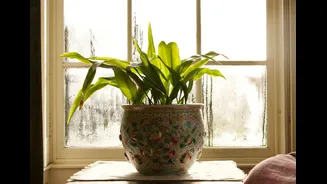
Before you start shopping, it's crucial to understand what 'low light' actually means for a plant. This isn't a completely dark room or a windowless basement. A low-light area is typically a spot that receives no direct sunlight. Think of a room with
a north-facing window, a hallway that gets some ambient light, or a corner several feet away from a brighter window. A good rule of thumb: if you can comfortably read a book in the space during the day without turning on a lamp, it likely qualifies as low to medium light. Plants in these conditions grow slower and require less water than their sun-soaked counterparts.
The Unkillable: Snake Plant
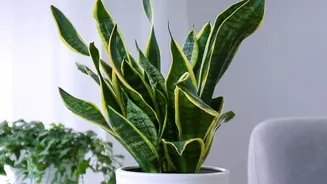
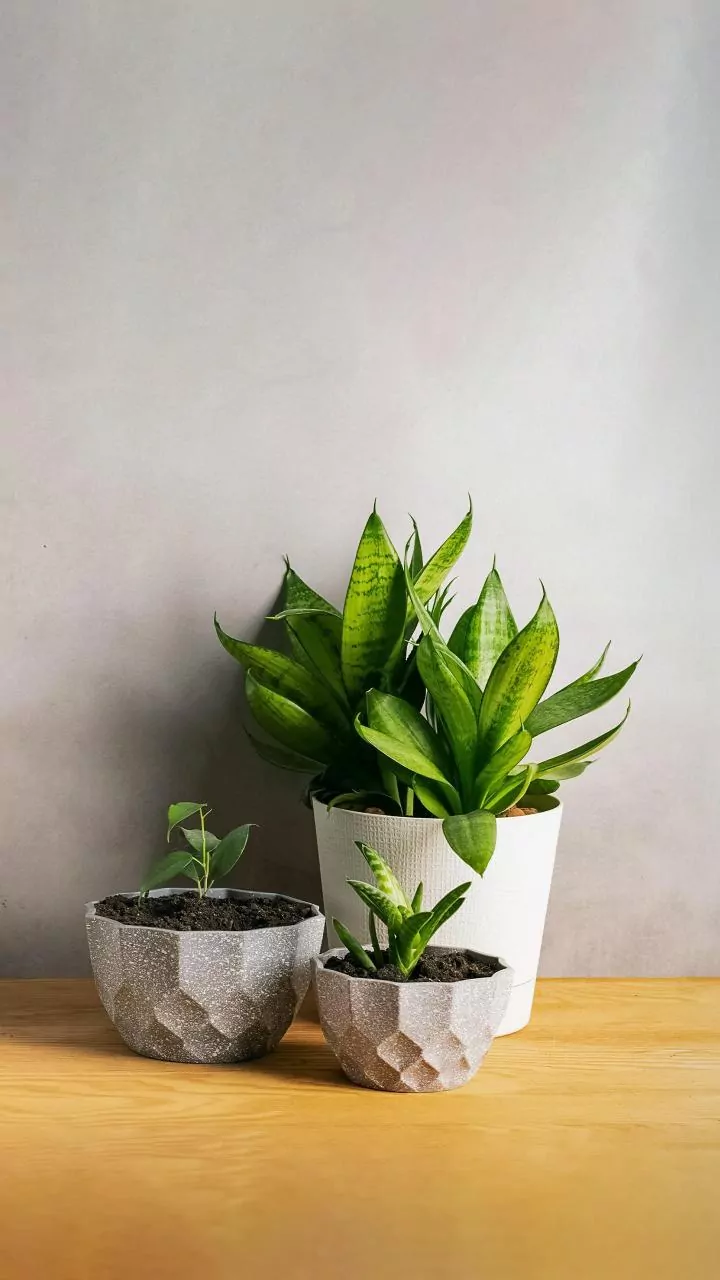
The Snake Plant (Dracaena trifasciata, formerly Sansevieria) is the undisputed champion of low-light tolerance. With its stiff, sculptural leaves that grow vertically, it offers a modern architectural look. While these plants can survive in very dim conditions, they truly thrive in medium, indirect light. The main key to success is avoiding overwatering. Their succulent-like leaves store water, so they are incredibly drought-tolerant. Allow the soil to dry out completely between waterings—this is more critical in low light, as the soil will take longer to dry. Neglect is often the best care strategy for this hardy plant.
The Resilient: ZZ Plant
The ZZ Plant (Zamioculcas zamiifolia) is another top contender for the 'thrives-on-neglect' award. Its wide, dark green, glossy leaves look almost artificial, adding a touch of polished drama to any space. The ZZ plant is exceptionally tolerant of low light, making it perfect for offices and darker corners of your home. The secret to its resilience lies in its large, potato-like rhizomes that store water, allowing it to endure long periods of drought. Like the snake plant, the biggest danger is overwatering, which can cause the rhizomes to rot. Wait for the soil to become bone-dry before giving it a thorough soak.
The Dependable: Cast Iron Plant
As its name suggests, the Cast Iron Plant (Aspidistra elatior) is incredibly tough. A favourite in the Victorian era for its ability to withstand dim, smoky parlours, this plant has large, elegant, dark green leaves that grow from the soil. It is native to the forest floors of Japan and Taiwan, where it is adapted to deep shade. It grows very slowly and prefers to be left alone. This plant is so tolerant of dry conditions that it's far more likely to suffer from overwatering than underwatering. Let the soil dry out at least halfway down the pot before watering again. It’s a perfect choice for adding a lush, green feel to a corner that other plants won't tolerate.
The Versatile: Pothos
The Golden Pothos (Epipremnum aureum) and its relatives are some of the most popular and easiest houseplants available. This vining plant with heart-shaped leaves is incredibly adaptable and can handle low-light conditions well. While highly variegated varieties might lose some of their colouring in lower light, the classic Golden Pothos or the solid green Jade Pothos will remain vibrant. Pothos is forgiving and will often droop slightly to let you know when it's thirsty. It's a great plant for beginners and looks wonderful trailing from a hanging basket or down a bookshelf, bringing life to spaces far from a window.
The Colourful: Chinese Evergreen
For those who want a splash of colour in a shady spot, the Chinese Evergreen (Aglaonema) is an excellent choice. While many low-light plants are simply green, Aglaonema varieties come in a stunning array of patterns featuring silver, cream, red, and pink. They are native to the tropical forest floors of Asia and are well-adapted to filtered sunlight. While they can tolerate very low light, their colours will be most vibrant in medium, indirect light. Avoid direct sun, as it can scorch their leaves. Keeping the leaves dust-free helps them maximise the light they do receive.