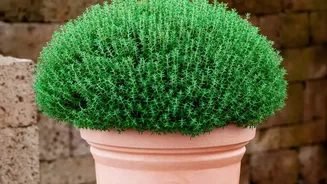



The aromatic, earthy flavour of fresh thyme can elevate countless dishes, and growing it at home is surprisingly simple. For anyone dreaming of a kitchen herb garden, the journey to a thriving thyme plant starts with one crucial element: light.
The Power of a Sunny Spot
Thyme is
a Mediterranean herb, and its genetics crave the sun. To successfully grow it indoors, the single most important factor is providing at least six to eight hours of direct sunlight each day. A south-facing window is the ideal location in your home, as it typically receives the most intense and prolonged light. Without enough sun, your thyme plant will become 'leggy'—stretching out with long, sparse stems and few leaves as it desperately reaches for light. The flavour and aroma of the leaves will also be significantly weaker, as ample sunlight is what helps the plant produce its flavourful essential oils. If you don't have a sufficiently sunny window, you can supplement with a grow light.
The Right Foundation: Pot and Soil
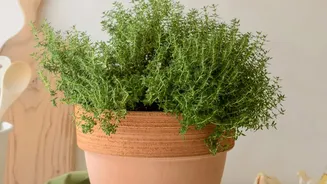
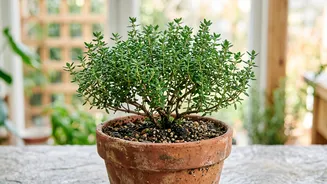
After securing a sunny spot, your next focus should be the container and soil. Thyme despises 'wet feet' and is highly susceptible to root rot if left in soggy conditions. Therefore, excellent drainage is non-negotiable. Choose a pot with at least one large drainage hole. A terracotta or clay pot is an excellent choice because the porous material allows soil to dry out more evenly between waterings. For the growing medium, avoid standard potting soils that are designed for moisture retention. Instead, opt for a gritty, well-draining mix, such as one formulated for cacti and succulents. You can also create your own by mixing potting soil with sand or perlite to improve drainage. Thyme actually prefers soil that isn't overly fertile; rich soil can lead to less flavourful leaves.
Watering: The 'Less Is More' Approach
Overwatering is the most common mistake when growing thyme indoors. As a drought-tolerant plant, thyme prefers its soil to dry out completely between waterings. A good rule of thumb is to stick your finger about an inch into the soil; if it feels dry, it's time to water. When you do water, do so thoroughly until water runs out of the drainage hole, then discard any excess water from the saucer. Never let the pot sit in a tray of water. Depending on your home's humidity and the pot's size, you may only need to water every 7 to 15 days. Yellowing leaves are often a tell-tale sign of overwatering.
Pruning for Bushiness and Harvest
Regular pruning is key to a healthy, productive thyme plant. It prevents the plant from becoming woody and encourages it to grow into a fuller, bushier shape. You can start harvesting sprigs as soon as the plant is well established and has plenty of foliage. Use clean scissors to snip off the top two to three inches of the green, tender stems, making your cut just above a set of leaves. This encourages the plant to branch out from that point. Harvesting regularly serves as a form of light pruning. It's best to harvest thyme before it flowers for the most potent flavour. If you see flower buds forming, pinching them off will redirect the plant's energy back into leaf production.
Troubleshooting Common Problems
Even with the best care, you might encounter a few issues. Besides root rot from overwatering, poor air circulation can sometimes lead to fungal problems like powdery mildew. Giving your plant enough space can help. Spider mites are a common indoor pest that can affect thyme. If you spot them, you can often manage a small infestation by wiping the leaves with a damp cloth. If your plant becomes overly woody and sparse despite your efforts, it may be a sign of insufficient light or underwatering. A severe pruning can sometimes rejuvenate an old, woody plant, but it should be done carefully over time. In late fall or early spring, you can cut back about one third of the oldest, woodiest stems to encourage fresh growth.