




The Science of a Stressed Cow
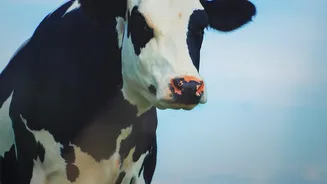
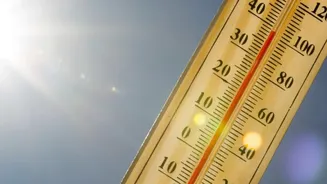
Dairy cattle are sensitive to their environment, thriving within a specific temperature range. When high heat combines with humidity, animals struggle to dissipate their body heat, leading to a condition known as heat stress. This stress is scientifically
measured using the Temperature-Humidity Index (THI); once the THI surpasses a threshold of 72, milk production is adversely affected. To cope, a cow's body diverts energy away from producing milk and toward thermoregulation, which involves panting and sweating. This physiological strain causes them to eat less, which directly reduces the nutrients available for milk synthesis. The result is not just a drop in the quantity of milk, but often in its quality too, with lower fat and protein content.
An Economic Crisis for Farmers
The dairy sector is the backbone of India’s rural economy, supporting over 80 million farming families. For these smallholders, even a minor dip in milk yield can have a significant financial impact. During periods of extreme heat, milk production can fall by anywhere from 10% to 30%. This translates into lower daily income. The economic pain is compounded by other factors: stressed animals are more susceptible to disease, leading to higher veterinary costs, and their reproductive cycles are often disrupted, affecting herd growth. Furthermore, farmers must spend more on electricity for fans and water to keep their animals cool, steadily eating into their earnings. Some studies estimate the annual national loss due to heat stress already amounts to thousands of crores.
Vulnerable Regions and Breeds
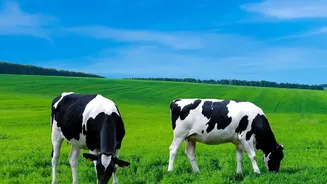
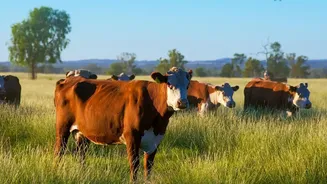
The impact of heat stress is not uniform across India. Key milk-producing states like Uttar Pradesh, Rajasthan, Gujarat, and Andhra Pradesh are projected to face prolonged periods of thermal stress. The northern plains, which account for nearly a third of the country's milk production, are particularly vulnerable, as THI levels here frequently exceed 80 during summer months. The type of cattle also matters significantly. High-yielding crossbred cows, popular for their productivity, are more susceptible to heat stress because their high metabolism generates more internal body heat. In contrast, indigenous Indian breeds like the Gir and Sahiwal are known to be more heat-tolerant and disease-resistant, though they typically produce less milk.
Adapting to a Warmer Climate
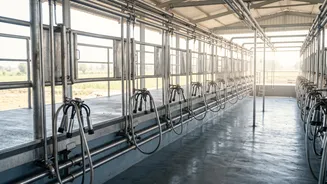
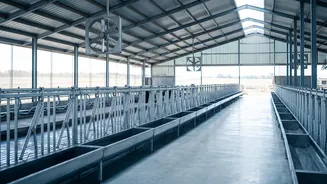
Mitigating the effects of heat stress is crucial for the future of Indian dairy. Farmers and experts are exploring a range of adaptation strategies. Simple, low-cost solutions include ensuring access to ample shade, either from trees or artificial structures, and improving ventilation in cattle sheds with fans. Using sprinklers or misters to soak the animals for short periods allows for evaporative cooling. Adjusting feeding schedules to the cooler parts of the day can also encourage animals to eat more. On a larger scale, there is a growing focus on promoting climate-resilient infrastructure, such as scientifically designed shelters with reflective roofing. Additionally, nutritional strategies, including specialized feed supplements, can help cattle cope with the reduced appetite caused by heat.
The Path Forward
Addressing the challenge of heat stress requires a concerted effort. The Government of India has initiated programs to develop climate-resilient dairy practices, including identifying heat-tolerant traits in cattle and promoting hardier indigenous breeds. Researchers are working to create better climate models to predict heat stress hotspots and guide policy. For long-term sustainability, experts argue for a holistic approach that includes financial incentives for farmers to adopt climate-smart practices, better access to water, and the development of insurance schemes to protect against climate-induced losses. As heatwaves become more frequent, securing the future of India's dairy sector depends on building resilience from the farm up.