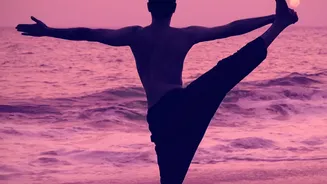







The Core Philosophy: Inner Stillness vs. Outer Expression
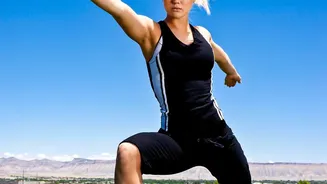
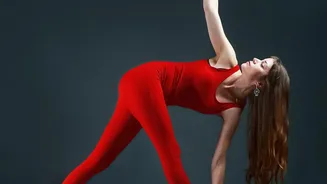
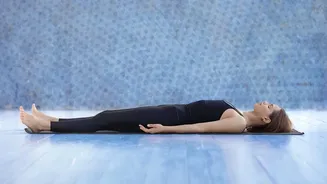
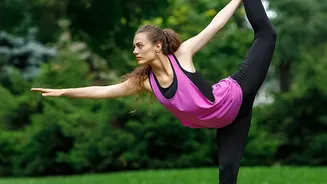
At its heart, yoga is a practice of turning inward. It focuses on uniting the mind, body, and spirit through physical postures (asanas), controlled breathing (pranayama), and meditation. The goal is often to cultivate mindfulness, reduce stress, and achieve
a state of mental calm and clarity. In contrast, dance is fundamentally about outward expression. It's a rhythmic, often social, activity that uses movement to interpret music and convey emotion. Whether it's the structured storytelling of Bharatanatyam or the high-energy fun of a Zumba class, dance is about letting loose and sharing energy with the space around you.
The Physical Workout: Flexibility vs. Cardio
When it comes to physical benefits, the two diverge significantly. Yoga is renowned for its ability to improve flexibility, balance, and core strength. The sustained poses lengthen muscles, increase range of motion, and enhance stability, which can help prevent injuries. While some vigorous styles like Vinyasa or Power Yoga can elevate your heart rate, the primary physical gain is functional strength and suppleness. Dance, on the other hand, is a cardiovascular powerhouse. Forms like Bhangra, Salsa, or even Bollywood dance routines provide an excellent aerobic workout that strengthens the heart, improves endurance, and promotes weight management. A high-intensity dance class can burn significantly more calories than a typical yoga session, making it a strong choice for those with weight loss goals.
The Mental Game: Stress Reduction vs. Mood Elevation
Both activities are fantastic for mental well-being, but they achieve it in different ways. Yoga is a meditative practice designed to activate the body's relaxation response. By focusing on the breath and being present in each pose, practitioners can lower levels of the stress hormone cortisol, leading to reduced anxiety and a sense of inner peace. It trains the mind to be still and focused. Dance offers a more cathartic release. The combination of music and physical movement releases a rush of mood-boosting endorphins, often called a 'dancer's high'. It's an expressive outlet that can combat feelings of depression and loneliness, especially when done in a group setting. While yoga calms the nervous system, dance energises it.
Cultural Roots and Accessibility
In India, both yoga and dance have deep, intertwined cultural and spiritual roots. Yoga is an ancient philosophy and discipline, while classical dances like Kathak and Bharatanatyam are forms of storytelling and devotion. This rich heritage adds a layer of depth to both practices. In terms of accessibility, yoga often has a lower barrier to entry. All you really need is a mat and some space. Dance can sometimes require a studio or a class, especially for structured forms. However, with the rise of online classes for everything from Zumba to contemporary dance, both are more accessible than ever.
How To Choose What's Right For You
The best choice ultimately depends on your personality and your fitness goals. Ask yourself what you're truly seeking. If your primary goal is to de-stress, improve flexibility, build core strength, and cultivate a sense of inner calm, yoga is likely the better fit for you. If you are energised by music, want a high-intensity cardio workout, love to express yourself through movement, and enjoy a social atmosphere, then dance is probably your calling. There's no wrong answer, and the two are not mutually exclusive. Many find that the practices complement each other perfectly—dance for energy and cardio, yoga for recovery, flexibility, and focus.