





Why the Cut Is a Cooking Command
How you slice, dice, or chop a vegetable is more than just a step in a recipe; it's a fundamental instruction that dictates how it will cook and taste. The size and shape of a vegetable piece determine its surface area. A larger surface area means the
vegetable cooks faster and absorbs more of the flavours it's cooked with, like marinades or spices. Conversely, a smaller surface area, as with large chunks, helps a vegetable retain its internal moisture and texture during longer cooking processes like roasting or stewing. Uniformity is also key. Cutting vegetables into consistent sizes ensures they all cook at the same rate, preventing that common kitchen problem where some pieces are mushy while others are still unpleasantly raw. This consistency is not just for professional chefs; it’s a practical technique for any home cook looking to make their meals more reliable and delicious.
An Essential Guide to Common Cuts
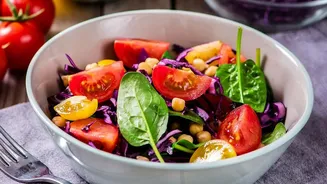
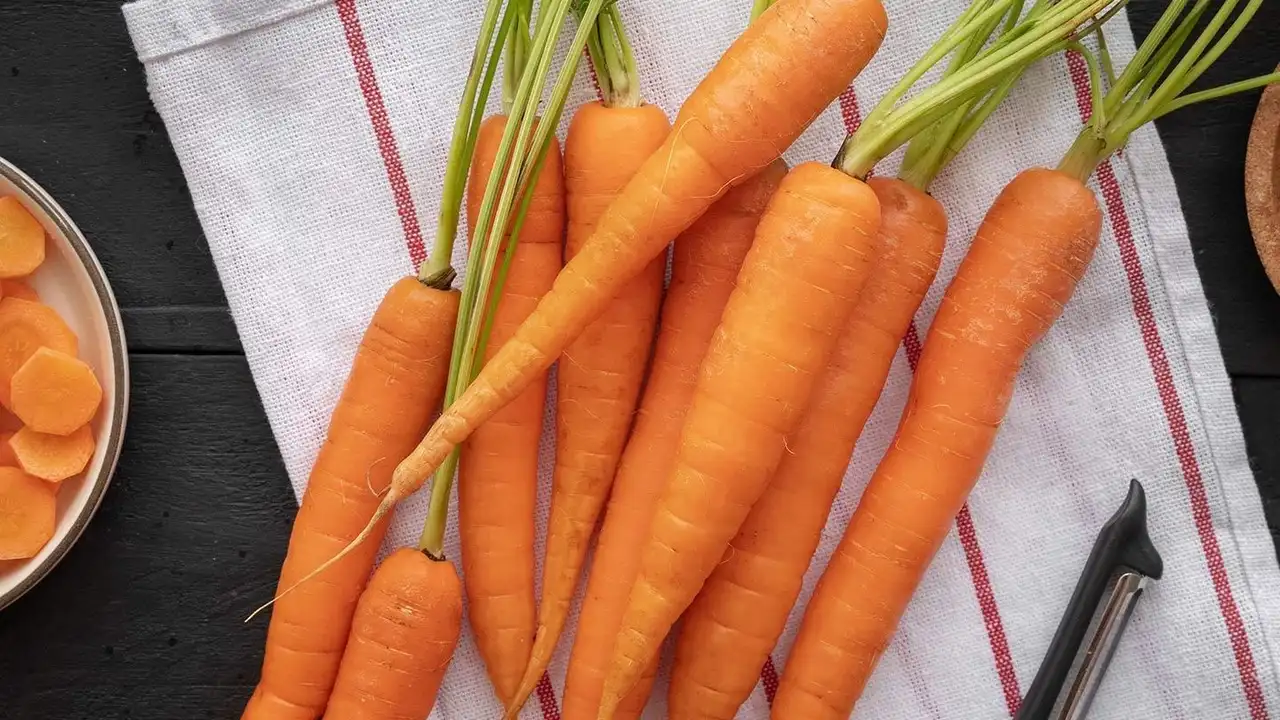
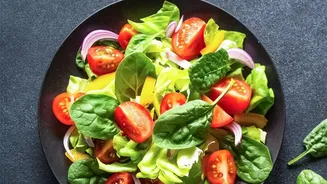
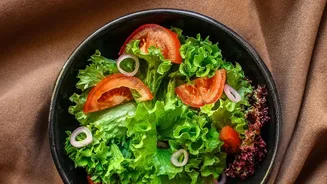
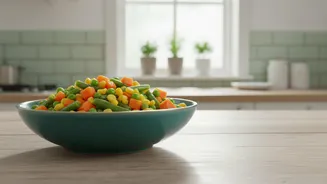
You don't need to master every French culinary cut, but knowing a few basics can vastly improve your cooking. A 'chop' is a general term for cutting into small, irregular pieces, perfect for rustic soups where texture isn't the primary focus. 'Dicing' is more precise, creating small, uniform cubes that ensure even cooking in dishes like a sabzi or a stir-fry. 'Slicing' creates thin, flat pieces. Round slices are called rondelles, great for cucumbers or carrots in salads, while long, thin strips are often called a julienne. The julienne cut is excellent for quick-cooking dishes or for adding a delicate texture to slaws. For leafy greens and herbs like spinach or basil, the 'chiffonade' cut, which produces thin ribbons, is ideal for garnishes or salads as it prevents bruising and releases flavour gently.
Match the Cut to the Cooking Method
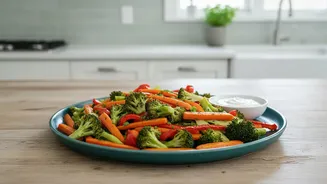
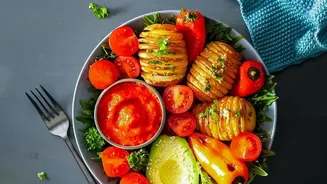
The true art of vegetable prep lies in matching the cut to your cooking plan. For high-heat, quick methods like stir-frying, small and thin cuts are your best friend. Think diagonally sliced carrots, thinly stripped bell peppers, and small broccoli florets. These shapes cook through rapidly without becoming soggy. For roasting, the opposite is true. Larger, chunkier cuts of root vegetables like potatoes, carrots, and beetroot are ideal. The lower surface area allows them to withstand the prolonged dry heat of the oven, caramelizing on the outside while becoming tender and sweet on the inside. In Indian cooking, this principle is deeply ingrained. Onions for a curry base are often finely chopped to dissolve into a smooth gravy, while potatoes for a dry sabzi are cubed to hold their shape. For a dish like avial, a mixed vegetable stew, vegetables are cut into thick batons to ensure they don't disintegrate.
A Strategy for Seasonal Meal Prep
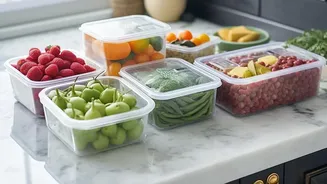
When you bring home your seasonal haul, a little strategic chopping can save immense time during the week. For heartier winter vegetables like squash or pumpkin, you can pre-chop them into large cubes for roasting one night and smaller dice for a soup or curry another. Store them in airtight containers in the fridge. For many gourds, like bottle gourd (lauki), cutting them into half-inch cubes is ideal, as anything smaller will break down too quickly during cooking due to high water content. For vegetables that you'll use in stir-fries or quick sautés, such as bell peppers or beans, you can slice or julienne them ahead of time. Taking an hour on the weekend to wash, dry, and chop vegetables for the next few days means a healthy, home-cooked meal is always just minutes away from coming together. This makes weekday cooking less of a chore and more of a pleasure.