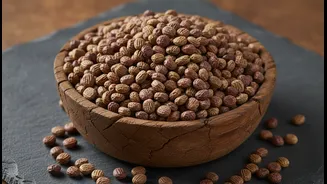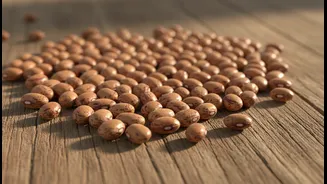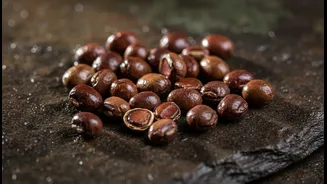








What Exactly Is Horse Gram?
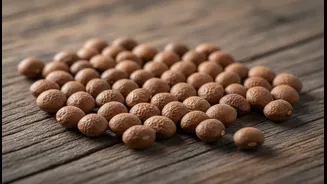
Known as kulthi in Hindi, kollu in Tamil, and ulavalu in Telugu, horse gram (Macrotyloma uniflorum) is a hardy legume that has been cultivated in India for thousands of years. Its name comes from its historical use as a nutritious feed for horses and other
livestock. This small, reddish-brown lentil is renowned for its ability to thrive in dry, tough agricultural conditions where other crops might fail, making it a reliable food source for generations. Despite its humble origins, it's gaining recognition as a 'superfood' due to its impressive nutritional profile. It has a robust, earthy flavour and a firmer texture than many common dals, making it a hearty and satisfying addition to any meal.
A Protein Powerhouse for Everyday Meals
For those looking to boost their plant-based protein intake, horse gram is an excellent choice. It is considered one of the most protein-rich lentils available. A 100-gram serving can contain around 22 grams of protein, making it comparable to other popular pulses. This makes it a valuable ingredient for muscle repair, growth, and overall stamina. Beyond protein, horse gram is also a fantastic source of dietary fibre, which aids digestion and promotes a feeling of fullness, potentially helping with weight management. It is packed with essential minerals, including high levels of iron, calcium, and phosphorus, which support everything from bone health to energy production.
Simple Ways to Cook with Kulthi
Bringing horse gram into your kitchen is straightforward, but it requires a little planning. Due to its hard texture, it's essential to soak the lentils overnight before cooking. This not only cuts down on cooking time but also makes them easier to digest. After soaking, they can be pressure-cooked until soft. From there, the possibilities are endless. You can prepare a simple and hearty kulthi dal, which pairs beautifully with hot rice and a dollop of ghee. The cooked lentils can be used to make a flavourful rasam, a traditional South Indian soup often used to remedy colds. Sprouted horse gram is another nutritious option, perfect for adding a crunchy texture to salads or for making curries like Kollu Kuzhambu.
Sorting Fact from Fiction: The Health Claims
Horse gram has a long history in traditional medicine, particularly in Ayurveda, where it's used for conditions ranging from kidney stones and urinary issues to the common cold and fever. Many of these beliefs stem from its diuretic properties and its classification as a 'warming' food. Modern science has begun to investigate these claims. Some studies suggest that compounds in horse gram may help reduce insulin resistance and manage blood sugar levels, making it beneficial for diabetics. Its antioxidants, like polyphenols and flavonoids, are also noted for their health-promoting properties. However, it is crucial to separate traditional use from scientifically proven fact. While many studies are promising, much of the research is preliminary. Claims that it can single-handedly cure diseases like kidney stones are not yet supported by strong clinical evidence. It should be seen as a nutritious food that supports overall health rather than a standalone cure.