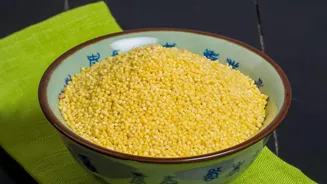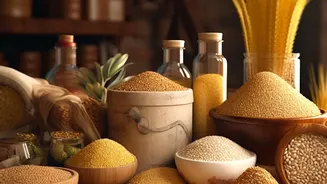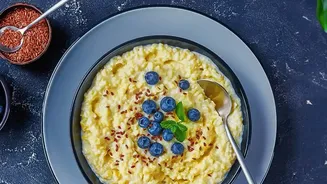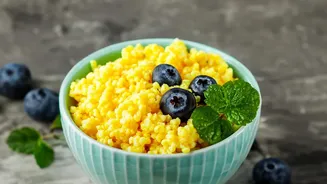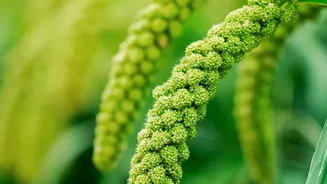





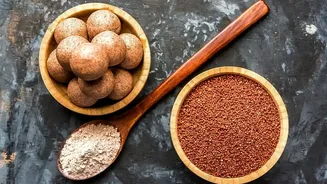

What’s old is new again on India’s most innovative dining tables. Ancient grains, once relegated to the status of 'poor man's food', are staging a spectacular comeback. Chefs are now championing millets, transforming them from humble staples into stars.
A Comeback Story for a Super Grain
Not long ago, millets like jowar (sorghum), bajra (pearl millet), and ragi (finger millet) were dietary mainstays across India. These hardy, drought-resistant crops sustained communities for centuries. However, post the Green Revolution, the focus shifted to wheat and rice, pushing millets into the background. But a powerful shift is underway. Driven by a renewed focus on health, sustainability, and a desire to reconnect with culinary roots, these 'nutri-cereals' are returning to the spotlight. The United Nations declaring 2023 the 'International Year of Millets' at India's suggestion further amplified this movement, encouraging chefs and home cooks alike to rediscover their potential.
The Nutritional Powerhouse
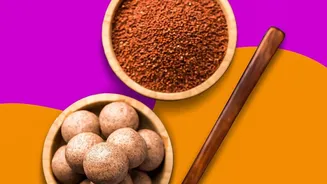
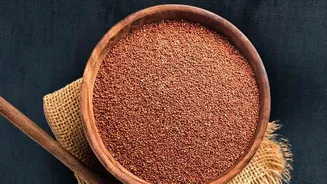
The renewed interest in millets isn't just about nostalgia; it's backed by science. These grains are naturally gluten-free and packed with protein, fibre, vitamins, and essential minerals like iron, magnesium, and calcium. Their low glycemic index helps in managing blood sugar levels, making them an excellent choice for diabetics. The high fibre content aids digestion, promotes a feeling of fullness to help with weight management, and supports overall gut health. For instance, ragi is celebrated for its high calcium content, while foxtail millet is rich in protein and dietary fibre. This impressive nutritional profile makes them a smart and wholesome alternative to refined grains.
From Tradition to Trendsetting
The real magic is happening in the kitchen, where chefs are proving that healthy doesn't mean boring. They are moving beyond traditional preparations like bhakri and porridge, creatively weaving millets into diverse and sophisticated dishes. This ancient grain is now appearing in everything from appetisers and main courses to desserts. Imagine sprouted finger millet tortillas, millet-based risottos, and even barnyard millet sushi. The versatility of millets allows them to be substituted for rice and semolina, ground into flour for baking, or used whole in salads and soups, offering a nutty flavour and a delightful texture.
Chefs Leading the Millet Revolution
Across India, culinary innovators are putting their own spin on these grains. At The Bombay Canteen in Mumbai, diners have been treated to a vegetarian haleem made with a mix of millets, topped with puffed grains for extra crunch. In Chandigarh, Chef Vikas Chawla opened Jhumroo, a restaurant dedicated entirely to millet-based cuisine, serving dishes like Moradabadi Dal with Ragi Mathri and Bajra Mooli Parathas. Hotel groups like ITC have integrated millets across their breakfast, lunch, and dinner menus nationwide, offering everything from ragi dosas to kodo millet risotto. Chef Sanjeev Kapoor has also been a vocal advocate, demonstrating how millets can be used in everything from appetisers to kheer, making them accessible to a wider audience. These efforts are changing perceptions, showcasing millets not as a compromise but as a premium, flavourful ingredient.
How to Enjoy Millets
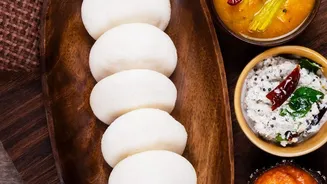
For those inspired to try millets at home, the approach is simple. Most varieties can be cooked similarly to rice, typically using a 1:2 ratio of millet to water. Soaking the grains for a few hours before cooking is an important step as it helps to reduce cooking time and improve digestion. From there, the possibilities are endless. Use foxtail millet to make a light, nutty upma or pulao. Try making dosa or idli batter with ragi or barnyard millet for a nutritious breakfast. Pearl millet (bajra) works wonderfully in khichdi, especially during colder months, while little millet (samai) makes for a creamy and comforting pongal.