




The Taste of Home
For millions of North Indians, the aroma of rajma simmering on the stove is inextricably linked with home. It’s the smell of a lazy Sunday afternoon, a weekly ritual that punctuates the rhythm of family life. This emotional connection is perhaps the most
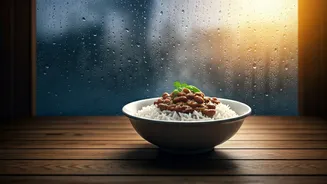
powerful reason for its 'safe' status. Ordering or cooking Rajma Chawal is like summoning a memory. Each spoonful carries the warmth of a mother’s cooking, the comfort of familiar flavours, and the nostalgia of childhood. It’s a dish that doesn’t just feed the body; it soothes the soul. When you're away from home, in a new city or even a new country, a bowl of Rajma Chawal is a direct connection to your roots, a culinary hug that reassures you that everything will be okay.
A Nutritional Powerhouse
Beyond the emotional comfort, Rajma Chawal is a remarkably 'safe' choice from a nutritional standpoint. This combination is a classic example of food synergy. Rajma, or kidney beans, is rich in protein, dietary fibre, iron, and magnesium. However, like most legumes, it lacks certain essential amino acids. Rice, on the other hand, has the amino acids that rajma is missing. When eaten together, they form a 'complete protein,' providing all the essential building blocks your body needs, similar to what you'd get from meat. This makes it an excellent, well-rounded meal, especially for vegetarians. The high fibre content aids digestion and promotes a feeling of fullness, preventing overeating. So, when you choose Rajma Chawal, you're not just making a tasty choice, you're making a smart one.
The Ultimate Crowd-Pleaser
Ever been in a group where no one can decide what to order? Rajma Chawal is the great negotiator. It’s a dish that rarely offends a palate. Its flavour profile—a mild, tangy, and savoury gravy coating soft beans—is complex enough for a connoisseur but simple enough for a child. It's not excessively spicy, oily, or exotic, making it a safe bet for guests with varying tastes. Whether you're hosting a dinner party or ordering a meal for the family, Rajma Chawal is a choice that satisfies almost everyone. Its humble and unpretentious nature means it fits in everywhere, from a simple home meal to a potluck offering. This universal appeal makes it a social lubricant, a dish that brings people together without the risk of culinary controversy.
Consistency from Dhaba to Dining Room
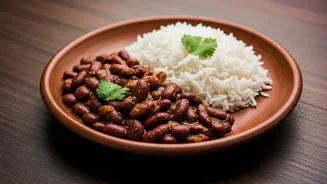
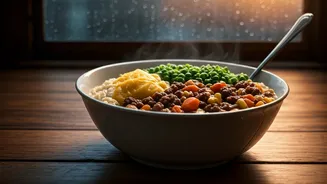
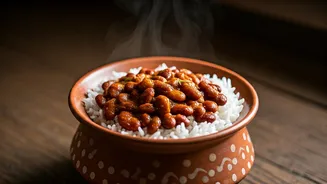
Another reason for its reliability is its consistency. While every family has its own secret recipe, the fundamental character of Rajma Chawal remains intact. Whether you’re eating it at a roadside dhaba in Punjab, a university canteen in Delhi, or an upscale Indian restaurant in Mumbai, you generally know what you’re going to get: soft kidney beans in a thick, tomato-onion gravy, served with fluffy steamed rice. This predictability is a huge asset. When you’re in an unfamiliar place or trying a new restaurant, ordering an adventurous dish can be a gamble. Rajma Chawal removes that risk. It’s a benchmark dish; if a restaurant can get this simple classic right, it’s a good sign. It’s the culinary equivalent of a trusted old friend—dependable, familiar, and always there for you.
Simplicity in a Complex World
In a culinary culture that boasts complex spice blends and elaborate cooking techniques, the relative simplicity of Rajma Chawal is refreshing. While it requires patience—the beans must be soaked and then cooked until tender—the process itself is straightforward. The ingredient list is accessible: onions, tomatoes, ginger, garlic, and a few common spices. This simplicity makes it a go-to dish for home cooks. You don't need expert skills to make a decent bowl of rajma. This approachability is key to its 'safe' status. It’s a dish that empowers people to cook a satisfying and nutritious meal without intimidation. In a world full of complicated choices, the straightforward, heartwarming goodness of Rajma Chawal is a comforting constant.