







More Than Just an Old Habit
The idea of a post-meal stroll, often called a 'constitutional', isn't just a quaint tradition; it's backed by modern science. One of the most significant benefits of walking after eating is its effect on blood sugar management. [2, 4] When we eat, our
bodies convert carbohydrates into glucose, causing blood sugar levels to rise. A gentle walk prompts our muscles to use this glucose for energy, which helps prevent a dramatic spike and subsequent crash. [2, 5] Studies have shown that even a brief two- to five-minute walk can have a noticeable impact on moderating blood sugar levels. [4] This is crucial because sharp fluctuations in blood sugar can stress the body, and keeping them stable is a cornerstone of good metabolic health. [10, 15]
The Link Between Blood Sugar and Your Gut
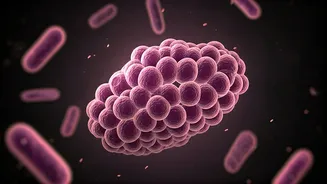
So, how does managing blood sugar help your gut? The connection is direct. An environment of constantly spiking blood sugar can contribute to inflammation and may negatively alter the delicate balance of bacteria in your gut microbiome. By stabilising your glucose levels with a post-dinner walk, you're helping to create a healthier, more balanced internal ecosystem. This supports the good bacteria that are essential for everything from nutrient absorption to immune function. Think of it as creating a calmer environment for your digestive system to do its work efficiently, without the added stress of a glucose roller coaster. [8, 10]
Giving Your Digestion a Gentle Push
Beyond the metabolic benefits, walking provides a simple mechanical advantage for your digestive system. Movement stimulates the stomach and intestines, a process known as promoting gut motility. [1, 13] This gentle encouragement helps move food through your digestive tract more rapidly, which can reduce feelings of bloating, gas, and indigestion. [4, 16] One study found that a 10- to 15-minute walk after meals helped participants reduce common gastrointestinal symptoms. [1, 16] Instead of sitting and letting a large meal sit heavily, walking uses gravity and gentle muscle contractions to keep things moving along smoothly. [14]
Finding the Perfect Post-Dinner Stroll
The key to a beneficial post-meal walk is timing and intensity. You don't need to engage in a strenuous workout. In fact, overly vigorous exercise can divert blood flow away from your digestive system and cause discomfort. [7] The sweet spot is a light to moderate pace for about 10 to 20 minutes. [3, 6] Most experts recommend starting your walk within 15 to 30 minutes of finishing your meal to best capture the benefits of blood sugar regulation. [3, 9] If you feel any discomfort, it's perfectly fine to wait a little longer before you start. [1] The goal is to make it a sustainable and pleasant habit, not a chore. [12]
Beyond the Gut: Other Welcome Benefits
The advantages of a post-dinner walk don't stop at digestion. This simple habit can contribute to better overall health in several ways. Regular, low-impact exercise like walking supports cardiovascular health by helping to regulate blood pressure and improve circulation. [5] It also contributes to weight management by adding to your daily calorie expenditure. [1, 13] Furthermore, a gentle walk in the evening can be a great way to de-stress, improve your mood through the release of endorphins, and even promote better sleep later in the night. [3, 9] It’s a small investment of time that pays dividends for both your physical and mental well-being.