



Understanding the Mini-Auction
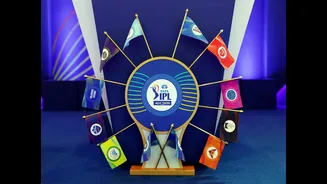
Unlike a mega-auction where teams rebuild from scratch, a mini-auction is a more subtle affair. Franchises retain the majority of their squads and enter the auction looking to fill specific gaps, find backup options, or upgrade in a particular area. This
means fewer superstars are typically available. However, it's a high-stakes game of financial strategy. Releasing a player on a multi-crore contract can free up significant funds to pursue a new target or buy back a player at a more favourable price. The drama lies in which teams are bold enough to release a big name to rebalance their squad and their salary cap.
The Legends at a Crossroads
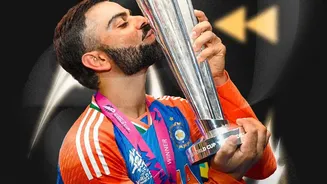
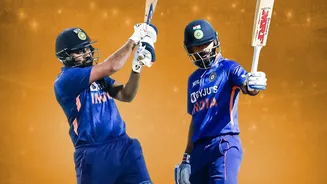
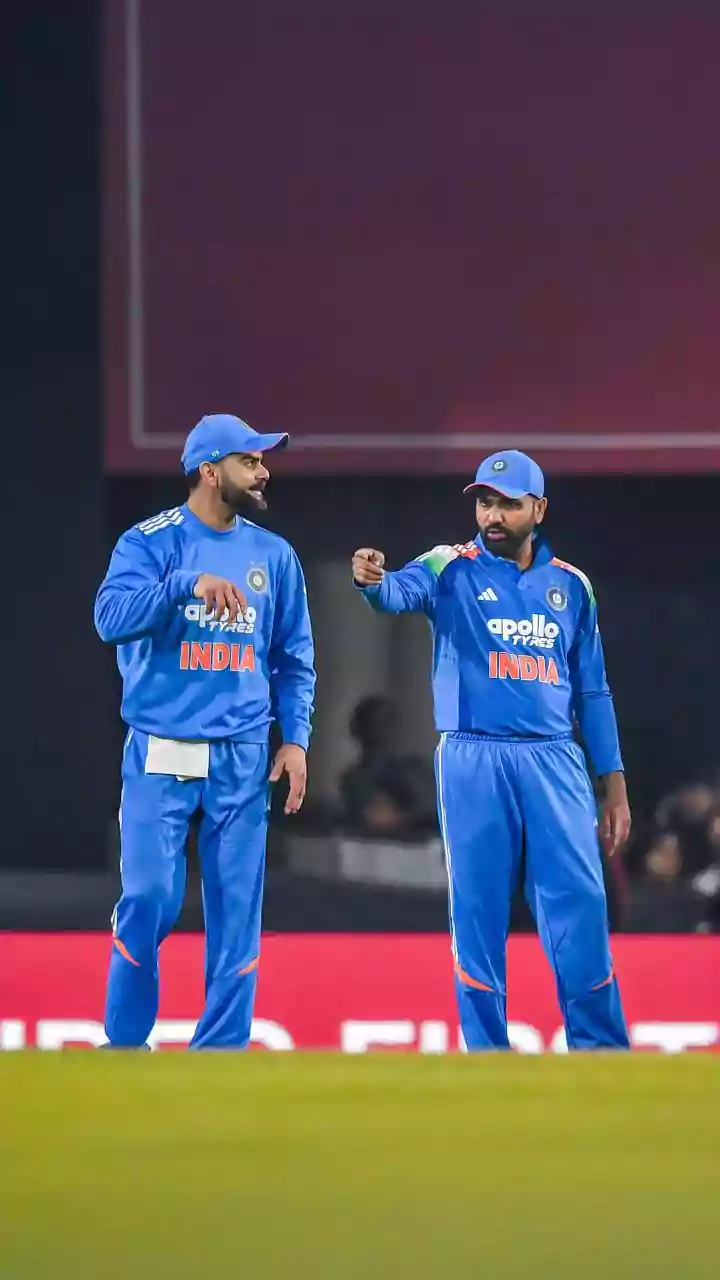
The biggest talking point always revolves around the icons. Players like Rohit Sharma and Virat Kohli, while still formidable, command huge salaries in the realm of INR 15-17 crore. As they enter the later stages of their careers, franchises face a difficult choice. Releasing them seems unthinkable, given their immense fan following and brand value. However, from a purely financial perspective, freeing up that amount of money could fund the purchase of two or three high-quality players. While it is highly unlikely either player will be released, their names inevitably surface in speculative discussions as the ultimate high-risk, high-reward move for a franchise looking to make a massive strategic pivot.
The Overseas Heavyweights
Overseas stars on massive contracts are often the most likely high-profile players to re-enter a mini-auction. Players like Mitchell Starc and Pat Cummins, who commanded record-breaking fees in previous auctions, are always under scrutiny. A franchise might decide that their salary, often exceeding INR 20 crore, could be better allocated across the squad. Performance, availability, and the team's need for a specific overseas role (a death bowler, an opener, a finisher) all play a part. If a team feels a tactical shift is needed, releasing an expensive overseas player is the most direct way to get the funds and the flexibility to do so.
The Captaincy and Leadership Candidates
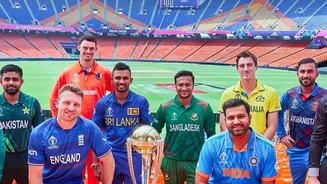
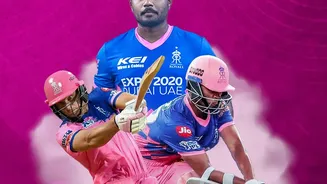
A number of teams are built around their captains, such as Sanju Samson or KL Rahul. However, if a team has a few disappointing seasons, management might look to shake things up with a fresh leadership approach. This can lead to a captain being released back into the auction pool. It's a bold move that signals a complete change in direction. Other teams, desperate for a proven leader, would then aggressively bid for such a player. This creates a fascinating chain reaction, where one team's decision to release a captain can solve another team's leadership void.
The Rising Stars and Form-Based Decisions
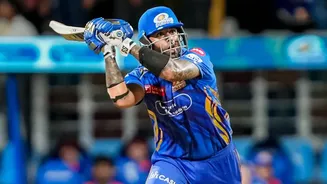
The mini-auction is often where young Indian players who have outperformed their contracts become hot property. A player signed for a modest sum who has a breakout season might be released by his own team in a calculated gamble. The franchise may hope to buy him back, but they risk a bidding war. Conversely, established players who have had a dip in form but are on large contracts (in the INR 8-12 crore range) are prime candidates for release. Franchises will often back their scouting departments to find a replacement with similar skills for a lower price, using the saved money to strengthen another part of their squad. It is these calculated, and sometimes ruthless, decisions that define success in a mini-auction.