







The ‘Healthy’ Chip Illusion
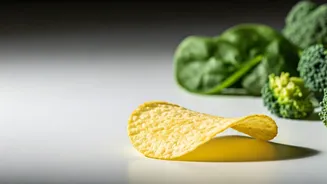
First, let's define what we mean by "diet chips." This broad category includes everything from baked potato chips to colourful veggie straws that have become a popular snack. They are marketed as a more nutritious option, often boasting claims like "low-fat"
or using vegetable powders for colour and flavour. However, the primary ingredients are often very similar to traditional chips: potato starch, potato flour, and corn starch. While they might contain vegetable powders like spinach or tomato paste, the amount is usually minimal, making them far from a substitute for actual vegetables. These products are highly processed, and despite the health-focused marketing, their nutritional profile is often not much different from regular potato chips.
The Myth of Low-Calorie Freedom
One of the biggest traps with diet snacks is the “health halo” effect. This is a psychological phenomenon where we overestimate the overall healthiness of a food based on a single positive claim, like "low-fat." Because we perceive these chips as "good for us," we feel less guilty and are more likely to eat larger portions, ultimately consuming more calories than we would with a regular snack. While a serving of baked chips might be slightly lower in calories than its fried counterpart—say, 131 calories versus 149—the difference is minimal in the context of a full day's intake. This small calorie saving is easily negated when you eat two or three times the recommended serving size, believing you're making a virtuous choice.
An Ingredient List That Tells a Different Story
Looking past the front-of-pack claims reveals some less-than-ideal ingredients. To compensate for the lack of fat, which provides flavour and texture, manufacturers of baked chips often add more starches and sugars. Many so-called diet chips, including popular veggie straws, can be high in sodium, sometimes containing even more than classic fried potato chips. A high-sodium diet can lead to water retention and bloating, which can be discouraging when you're trying to get fit. Furthermore, these snacks are typically low in the nutrients that support fitness goals, such as protein and fibre. Protein is essential for muscle repair, while fibre helps you feel full and satisfied. Without them, you're eating empty calories that can lead to energy crashes and more cravings.
How They Sabotage Your Fitness Goals
The combination of high sodium, refined carbohydrates, and a lack of satiating nutrients makes diet chips a poor choice for anyone serious about fitness. The refined starches can cause a spike in blood sugar, followed by a crash that leaves you feeling tired and hungry again soon after. The high salt content can impact fluid balance, and some studies suggest it may even negatively affect muscle strength and physical function over time, particularly in older adults. Foods designed to be hyper-palatable—overly tasty due to a specific combination of salt, fat, and sugar—can bypass your body's natural fullness cues, making it easy to overeat. By filling up on these, you displace whole foods that would provide the vitamins, minerals, and macronutrients your body actually needs to build muscle, fuel workouts, and recover effectively.
Smarter Swaps for That Satisfying Crunch
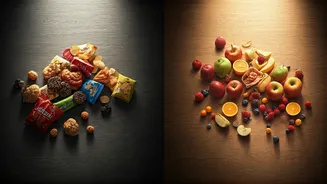
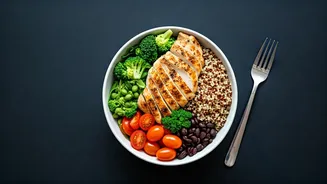
So, what should you reach for when a craving for something crunchy and savoury strikes? The key is to choose whole or minimally processed foods. Roasted chickpeas are a fantastic alternative, offering both protein and fibre. Air-popped popcorn, lightly seasoned, is a high-volume, low-calorie whole-grain snack. Raw vegetable sticks like carrots, bell peppers, or jicama paired with hummus or guacamole provide a satisfying crunch along with vitamins, healthy fats, and protein. You can even make your own chips by thinly slicing sweet potatoes or kale, tossing them with a little olive oil and salt, and baking until crisp. These alternatives provide the crunchy texture you crave while delivering nutrients that support your fitness journey instead of stalling it.