

India’s Next Great Interplanetary Adventure
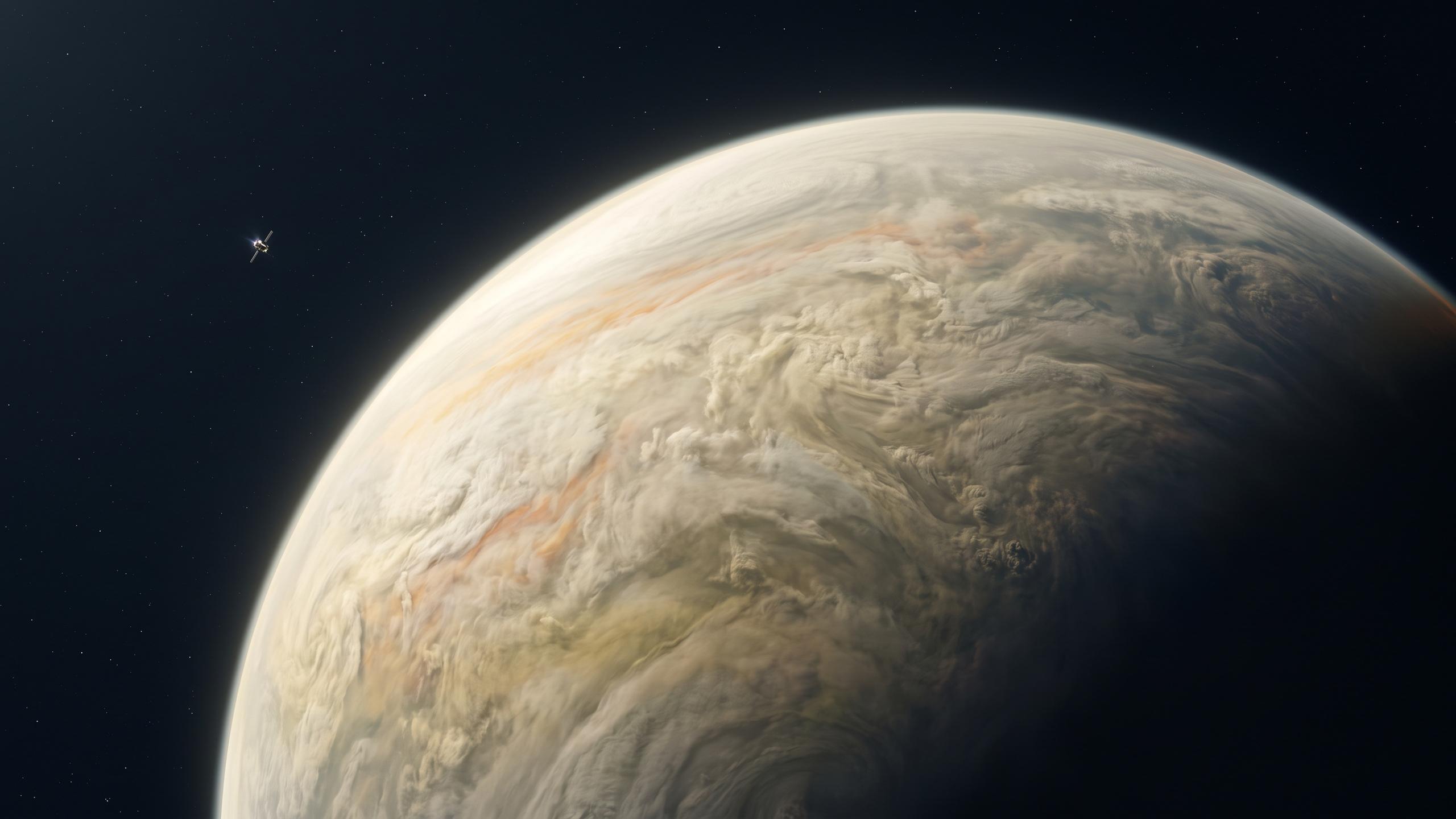
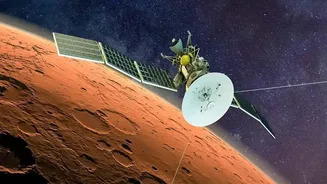
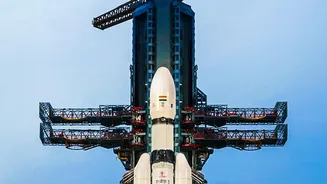
Building on the monumental successes of the Chandrayaan lunar missions and the Mangalyaan Mars orbiter, the Indian Space Research Organisation (ISRO) is embarking on its next ambitious quest. Named Shukrayaan, from the Sanskrit words for Venus ('Shukra')
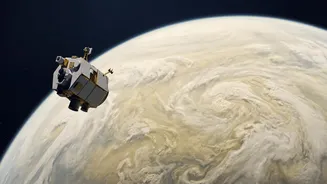
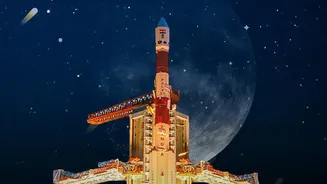
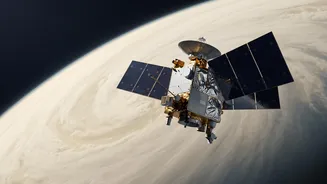
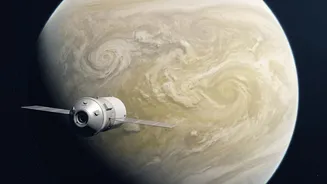
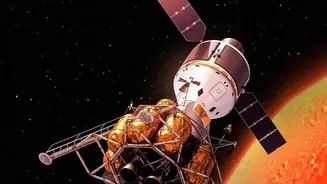
and craft ('Yaan'), this mission marks India's first dedicated journey to our nearest planetary neighbour. The government officially approved the mission in September 2024, signalling a bold new chapter in the nation's space exploration saga. Tentatively scheduled for a launch in March 2028 aboard the powerful LVM-3 rocket, Shukrayaan will place India in an elite club of space agencies that have ventured to study the enigmatic planet up close. The orbiter is designed to spend years circling Venus, using a sophisticated suite of instruments to gather data that could rewrite our understanding of planetary evolution.
The Paradox of Earth’s ‘Evil Twin’
Venus is often called Earth's twin, and for good reason. The two planets are nearly identical in size, mass, and composition. They are rocky worlds that formed in the same neighbourhood of the solar system, suggesting they could have had very similar pasts. Yet, today, they could not be more different. While Earth is a water-rich oasis teeming with life, Venus is a hellscape. Its surface temperature is a staggering 475 degrees Celsius, hot enough to melt lead. The atmospheric pressure at its surface is over 90 times that of Earth's, equivalent to the crushing force found 900 meters deep in our oceans. Its skies are permanently shrouded in thick clouds of corrosive sulfuric acid. Understanding what caused Venus to suffer a runaway greenhouse effect, turning it into this uninhabitable world, is a key scientific question. The answer may hold crucial lessons for the future of Earth's own climate.
Peering Beneath the Corrosive Veil
The central goal of Shukrayaan is to systematically study Venus from its deep interior to its upper atmosphere. One of the most critical objectives is to understand the chemical reactions happening within its dense cloud cover. The mission will investigate the structure, composition, and dynamics of the thick, carbon-dioxide-rich atmosphere. Scientists are keen to understand the mysterious 'super-rotation' of its upper atmosphere, where winds whip around the planet at speeds far exceeding the planet's slow rotation. Beyond the clouds, the orbiter will carry a high-resolution Synthetic Aperture Radar (SAR). This powerful instrument can penetrate the thick haze to map the Venusian surface in unprecedented detail, searching for signs of active volcanoes and lava flows. Shukrayaan will also be the first mission to use a ground-penetrating radar, which will probe beneath the planet's surface to study its geological layering.
A Toolkit for a Hostile World
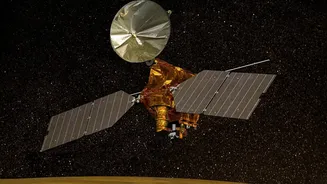
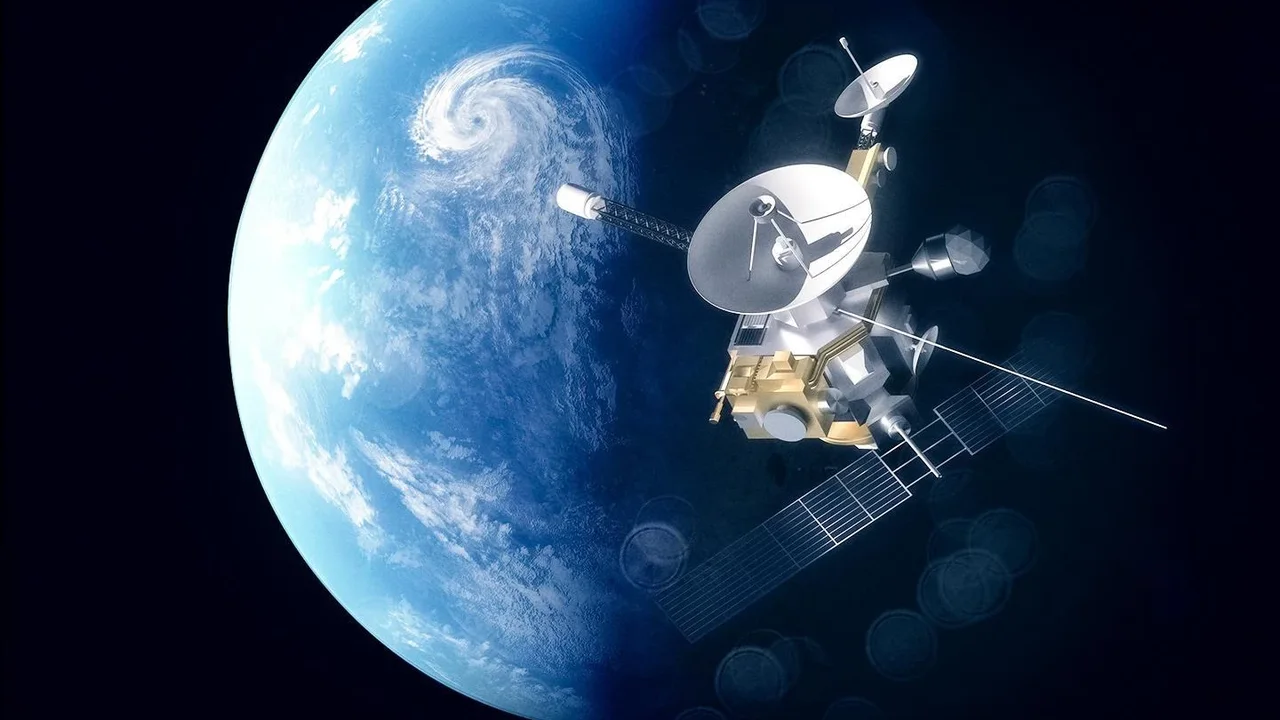
To achieve its ambitious goals, the Shukrayaan orbiter will carry a scientific payload of about 100 kilograms, comprising around 19 instruments. While most of these are developed in India, the mission also features significant international collaboration, with payloads and components from Sweden, Russia, and Germany. Sweden's Institute of Space Physics is contributing an instrument to study how the solar wind interacts with the Venusian atmosphere. This diverse set of tools will work in concert to create a comprehensive picture of the planet. While the high-resolution radar maps the ground, other instruments will analyse the chemical makeup of the atmosphere and measure thermal emissions to identify hotspots. To save fuel and maximize the scientific payload, ISRO plans to use a fuel-efficient technique called aerobraking. This involves repeatedly dipping the spacecraft into the upper atmosphere, using drag to gradually slow down and lower its orbit into the ideal position for scientific observations.