
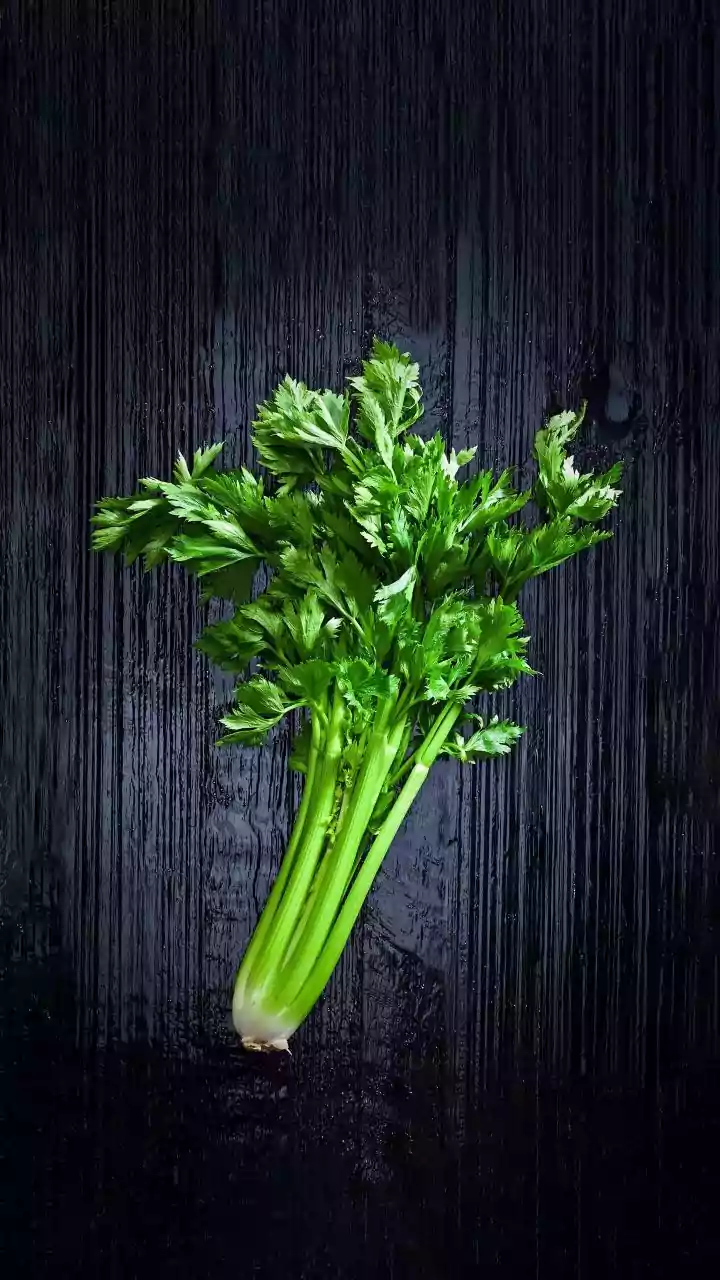





Master the Basics: Look, Feel, and Smell
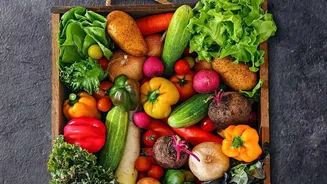
Before diving into specific vegetable types, there are three universal senses that will guide you to the best produce. First, use your eyes. Look for vibrant, uniform colour and avoid anything with significant blemishes, brown spots, or yellowing leaves.
Second, trust your touch. A fresh vegetable should feel firm and heavy for its size, which indicates a high water content and good flavour. Avoid anything that feels soft, spongy, or slimy. Finally, use your nose. Fresh vegetables should smell earthy and clean, or not at all. Any hint of a sour, musty, or 'off' smell is a clear sign that the produce is past its prime.
Leafy Greens: Crisp and Vibrant Wins
For greens like spinach, kale, lettuce, and collards, freshness is fleeting but selectable. Always look for leaves that are crisp, firm, and brightly coloured. Wilted, drooping, or yellowing edges are the first signs of aging. If you're buying a head of lettuce, like romaine or iceberg, check the base. It should be clean and pale, not brown or ragged. While pre-packaged greens are convenient, they often trap moisture, which accelerates decay. If you do buy them, choose tubs over bags where possible and check for any slimy leaves before you purchase. Hardy greens like kale and collards tend to be more resilient and last longer in the fridge than delicate lettuces.
Root Vegetables: Seek Firmness and Smooth Skin
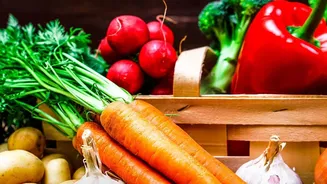
Root vegetables like carrots, potatoes, beets, and onions are built for longevity, but a bad choice can still lead to early spoilage. The number one rule is to check for firmness. Squeeze them gently; they should be rock-hard with no soft spots. For carrots, beets, or radishes that still have their leafy green tops attached, inspect the greens. If they are fresh and vibrant, the root below is likely fresh too. If the greens are wilted and sad, the vegetable has been sitting for a while. With potatoes and onions, avoid any that have started sprouting, as this indicates they are converting their starches to sugars and are on their way out. Also, ensure their skin is dry and intact, not bruised or broken.
Fruiting Vegetables: Heavy, Taut, and Colourful
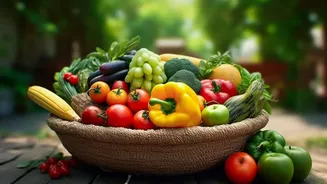
This category includes favourites like tomatoes, bell peppers, cucumbers, and eggplant. The key indicator of freshness here is weight and skin quality. A good tomato or bell pepper should feel heavy for its size. The skin should be smooth, taut, and shiny, free of deep wrinkles, soft spots, or broken areas which can invite rot. A cucumber should be firm from end to end with no soft or spongy sections. With eggplants, look for glossy, deep purple skin and a green, fresh-looking cap and stem. Colour is also a crucial guide. A ripe tomato will have a deep, uniform colour, while a bell pepper should be vibrant and consistent in its hue.
Cruciferous Choices: Broccoli and Cauliflower
For broccoli and cauliflower, the secret is in the florets. You want to see tight, densely packed clusters of buds. If the florets on broccoli are starting to open up or turn yellow, it's a sign that it is past its peak freshness. The heads should feel heavy and firm, and the stalks should be sturdy and fresh-looking, not woody or dried out. The leaves, if still attached, should be green and hydrated, not yellow or wilting. A quick sniff can also help; they should smell fresh and green, with no strong or sour odours.