


The Urban Gardening Conundrum
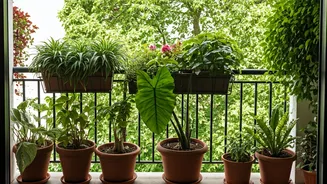
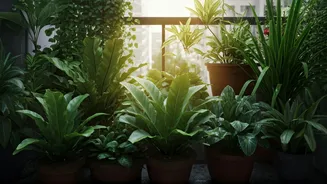
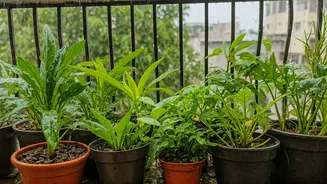
In bustling Indian cities, a sprawling backyard is a luxury few can afford. For most, 'garden' means a collection of pots on a balcony, a small terrace, or a sunny windowsill. While the passion for plants is strong, these small spaces present unique challenges.
In-ground planting is often impossible, the quality of available soil can be poor, and managing water in compact containers can be a delicate balancing act. Many aspiring gardeners become discouraged when their plants struggle, but the issue often isn't a lack of a green thumb; it's a matter of the right setup. By rethinking the foundation of your small garden, you can overcome these hurdles and cultivate a thriving collection of flowers, herbs, and even vegetables.
Why Raised Pots Are Your Best Friend
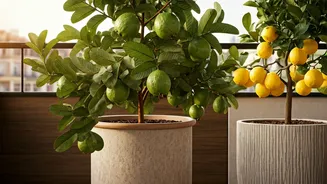
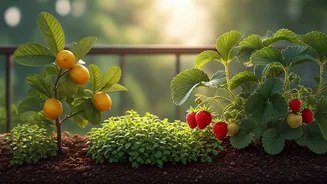
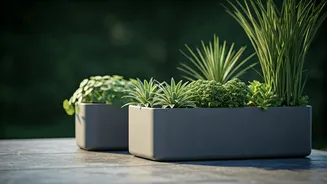
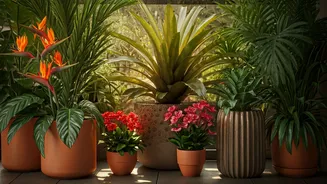
The first part of the solution is elevation. Using raised pots, containers, or raised garden beds offers immediate and significant advantages for small-space gardening. Firstly, you gain complete control over the growing medium. Instead of dealing with compacted or poor-quality ground soil, you can fill your pots with a high-quality, well-draining potting mix tailored to your plants' needs. Secondly, raised containers are space-efficient. You can arrange them to maximize sunlight exposure and create vertical layers of green. They are also easier to manage, especially for those with limited mobility, as they reduce the need to bend and kneel. Raised beds and pots promote healthier root systems by preventing soil compaction, allowing roots to grow deeper and stronger. This leads to more productive and robust plants in a smaller footprint.
The Secret of ‘Dry Feet’
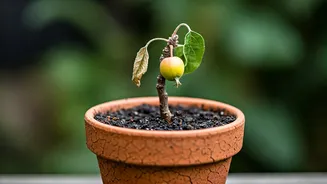
The second, and arguably most crucial, element is what horticulturists call 'dry feet'. This simply means ensuring a plant's roots are not sitting in waterlogged soil. While plants need water, their roots also need oxygen to breathe and function. When a pot has no drainage holes, or when it sits in a saucer full of excess water, the soil becomes saturated. This cuts off the oxygen supply, effectively drowning the roots. This condition, known as root rot, is one of the most common killers of potted plants. Symptoms often mimic underwatering—wilting, yellowing leaves—leading well-intentioned gardeners to water even more, worsening the problem. Good drainage not only prevents root rot but also helps flush out excess salts from fertilizers and tap water that can otherwise build up and harm your plants.
Creating the Perfect Setup
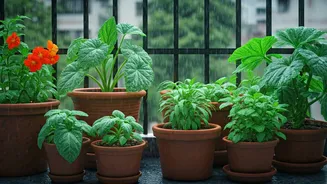
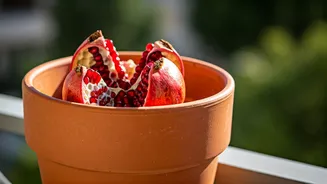
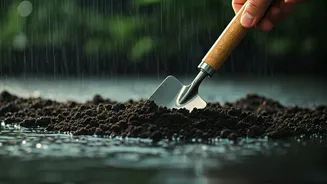
Achieving the ideal environment is straightforward. Start by choosing the right containers. Always select pots with drainage holes at the bottom. If you fall in love with a decorative pot that has no holes, you have two options: carefully drill some yourself, or use it as a 'cachepot' by placing a smaller plastic pot with drainage inside it. Terracotta pots are an excellent choice for Indian climates as they are porous and help keep the soil cool. Next, use a quality potting mix, not soil from your garden, which can become hard and block drainage. A good mix will contain components like compost, perlite, or coco peat to keep it light and airy. Finally, when you water, do so thoroughly until you see water running out of the drainage holes. Then, be sure to empty any water that collects in the saucer beneath the pot.
Best Plants for Pots and Good Drainage
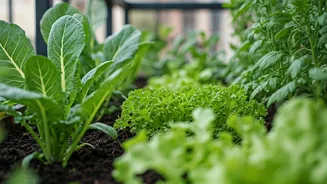
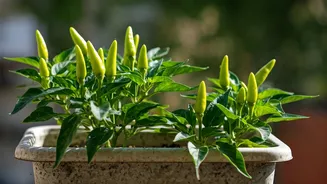
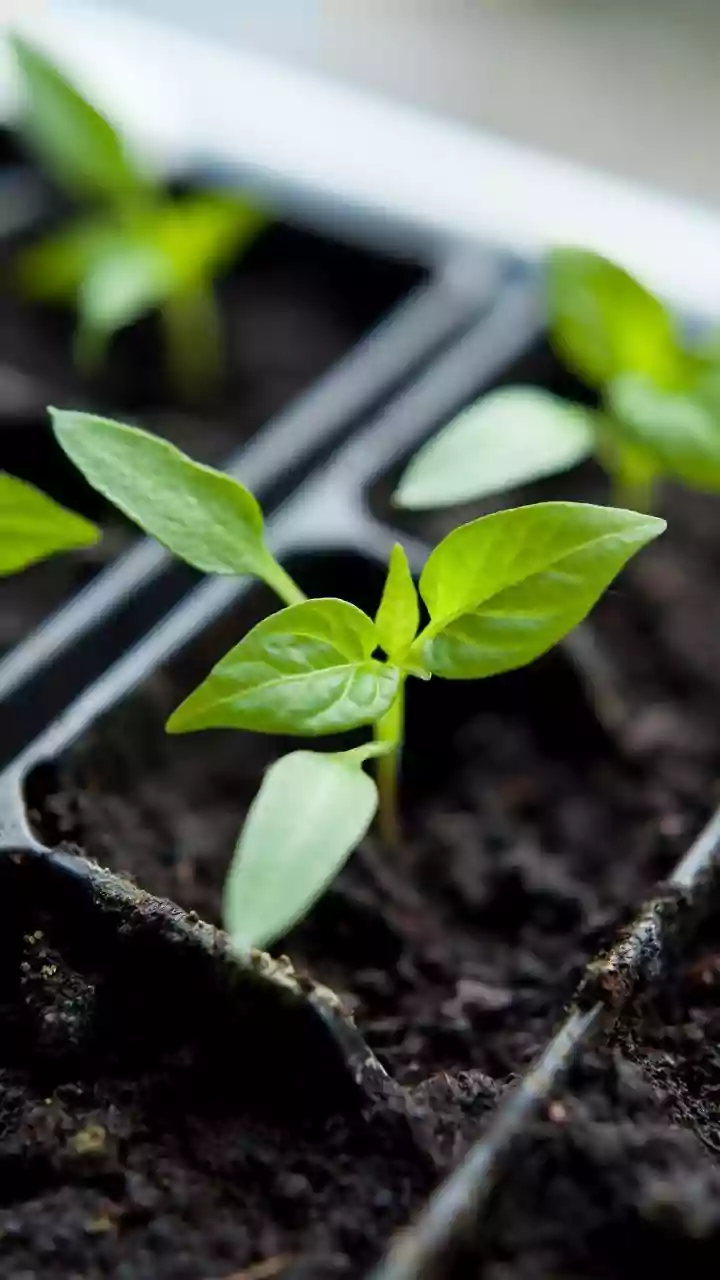
Some plants are particularly well-suited to this 'raised pot, dry feet' approach. Herbs are a fantastic start; classics like tulsi (holy basil), mint, rosemary, and thyme thrive in containers and prefer their soil to dry out between waterings. Many vegetables also do well, including chillies, tomatoes, and spinach. For flowers, consider hardy and forgiving options like geraniums, marigolds, and periwinkle, all of which bloom profusely with good sun and drainage. Succulents and cacti are masters of surviving in dry conditions and make for beautiful, low-maintenance additions to any balcony. By choosing plants that naturally prefer well-drained soil, you set yourself up for an easy and rewarding gardening experience.