




A Portal to a Bygone Era
To step into an Irani cafe in Pune is to walk through a portal in time. The decor is a lesson in unpretentious nostalgia: high ceilings, gracefully aging bentwood chairs, marble-topped tables, and large glass mirrors that expand the sense of space. [4]
The air hums with a gentle energy—the murmur of conversations, the clinking of spoons against saucers, and the quiet authority of the owner perched behind a counter, often flanked by large glass jars filled with cookies and baked goods. [3] Unlike the transactional silence of modern coffee shops, these cafes are democratic institutions where patrons from all walks of life—students, office workers, and old friends—can share a table. [3, 9] The atmosphere isn't curated for social media; it's an authentic, living piece of the city's history. [6]
The Taste of Tradition
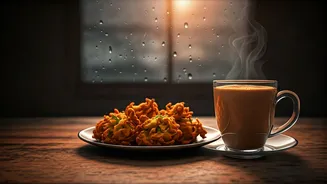
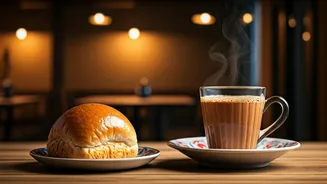
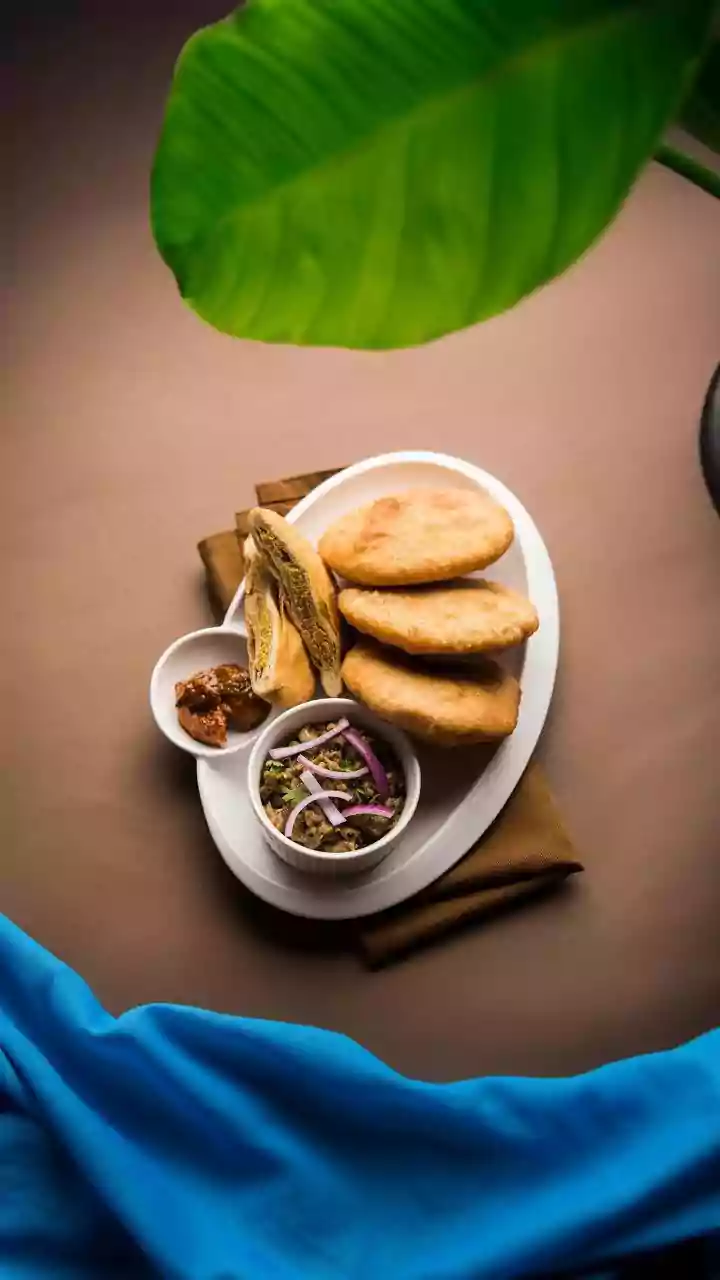
The menu at an Irani cafe is a testament to the beauty of simplicity. The undisputed king is the combination of bun maska and chai. The soft, sweet bun is sliced and slathered generously with butter, often dunked into a cup of sweet, milky Irani tea. [7] This isn't just a snack; it's an emotion for generations of Punekars. [17] Alongside this staple are other icons: the fluffy, cheesy omelettes at Vohuman Cafe, hearty keema pav (minced meat with bread rolls) at Cafe Goodluck, and crisp khari biscuits. [4, 25] The food is straightforward, comforting, and incredibly affordable, served with a speed and efficiency that has been perfected over decades. [4, 21]
From Persia to Pune: A Rich Heritage
The story of these cafes begins in the late 19th and early 20th centuries with the migration of Zoroastrian and Shia Muslim Iranians to India. [4, 8] Fleeing persecution or seeking better economic opportunities, many settled on India's west coast, including in Pune. [14] These entrepreneurial immigrants established small eateries, initially serving tea and snacks. [7] Over time, these humble joints evolved into beloved cultural hubs, preserving a unique culinary tradition that blends Persian flavours with local tastes. [3] They became inclusive spaces at a time when public dining was often segregated, welcoming everyone regardless of caste, religion, or social standing. [9, 14] Iconic establishments like Dorabjee & Sons, started in 1878, and Cafe Goodluck, founded in 1935, are monuments to this legacy. [3, 13]
Standing Firm Against the Modern Tide
In an era dominated by global coffee chains and trendy bistros, the survival of Pune's Irani cafes is remarkable. While their numbers have dwindled over the years, the remaining titans stand strong, protected by a fiercely loyal clientele. [3] Their endurance isn't just about nostalgia; it’s about the value they offer. For the price of a single latte at a modern cafe, one can have a filling breakfast of omelettes, toast, and chai. [21, 25] The experience is about community and comfort, not Wi-Fi passwords and power outlets. Places like Vohuman Cafe and Goodluck Cafe are almost always overflowing with people, a testament to their unwavering appeal. [3, 21] They aren't just restaurants; they are social institutions, woven into the very fabric of Pune's identity. [17]