








The Promise of Seamless Travel
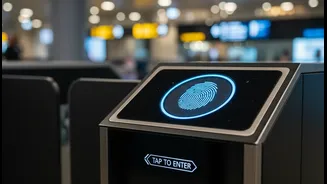
Imagine an airport experience without the endless fumbling for your ID and boarding pass at multiple checkpoints. That is the core promise of DigiYatra, the Ministry of Civil Aviation's initiative for a biometric-enabled travel experience. Using facial
recognition technology, it allows passengers to move through entry gates, security checks, and boarding gates with just a quick scan of their face. The system works by creating a unique DigiYatra ID linked to your Aadhaar and a selfie taken during registration. This ID, along with your flight details, is shared with the airport, aiming to cut down queues and make the entire process faster and more efficient. With millions of journeys already processed, the convenience factor is undeniable.
How Your Data Powers the System
On the surface, the data policy seems straightforward. According to the DigiYatra Foundation, the non-profit entity managing the system, it operates on a 'privacy by design' principle. Your personally identifiable information (PII) and facial biometrics are encrypted and stored in a secure wallet on your own smartphone, not in a centralized government database. When you travel, this data is shared as a temporary, encrypted token with the departure airport. Officials state this data is purged from airport systems within 24 hours of your flight's departure, a key feature meant to assure users that their sensitive information isn't being permanently stored or tracked.
The Cracks in the Trust Foundation
Despite official assurances, significant privacy concerns persist among experts and the public. The central issue is one of verification and oversight. While the policy states data is deleted within 24 hours, privacy advocates and even parliamentary committees have pointed out a lack of independent audits to confirm this is happening consistently across all airports. There is ambiguity in the policy which could allow data to be shared with government or security agencies based on existing protocols, creating a potential loophole. Furthermore, reports have emerged of passengers feeling pressured or being enrolled into the 'voluntary' system without clear consent, eroding the very trust the system needs to thrive.
Beyond the App: An Ecosystem of Questions
The app's privacy policy is only one piece of a much larger puzzle. The DigiYatra 'ecosystem' plans to include third-party 'value-added services' like cab bookings or lounge access, which would require sharing passenger data. Critics worry this could lead to data monetization and profiling, extending far beyond the initial purpose of airport transit. The core challenge lies in the governance of this entire network. Who are the third-party partners? What are their data security standards? As the system scales, ensuring every single partner adheres to the same strict privacy standards is a monumental task. Without a robust, overarching data protection law actively enforced by an independent body, these questions remain unanswered.
Building a Truly Trustworthy Digital Future
For DigiYatra to become a globally respected model for digital public infrastructure, its focus must shift from just functionality to demonstrable trustworthiness. This means more than just policy statements. It requires regular, independent cybersecurity audits with published summaries to build public confidence. The consent process needs to be crystal clear and genuinely optional, with no 'dark patterns' or coercion at airports. Most importantly, the rules must apply to the entire ecosystem, not just the app. Clear, legally binding agreements on data use and deletion must be in place for every airport operator, airline, and third-party vendor. The convenience is already there; the challenge is to match it with unparalleled accountability.