

A Taste of Timeless Tradition
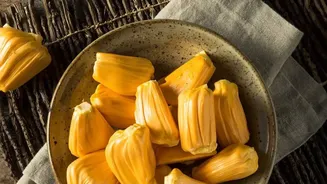
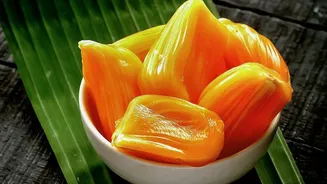
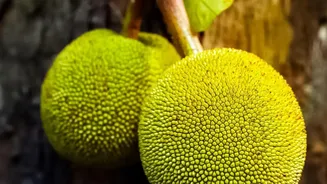
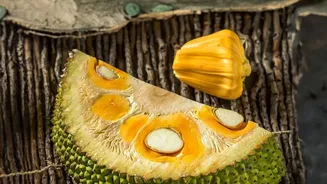
Long before it became a global vegan sensation, jackfruit was an intrinsic part of Malayali identity and cuisine. For generations, this colossal fruit, which can weigh up to 35 kilograms, has been a dependable staple in Kerala households. Often growing
in family backyards, the jackfruit tree is known for its hardy nature and abundant yield, providing a sustainable and affordable food source. Its history is deeply rooted in the region, with evidence of its cultivation dating back thousands of years. This long-standing connection means that for many, the aroma of a jackfruit dish is the smell of childhood summers, ancestral homes, and grandmother’s cooking.
The Modern Health Halo
A significant driver behind jackfruit's resurgence is its modern reputation as a superfood. As people become more health-conscious, the nutritional profile of raw jackfruit is hard to ignore. It is packed with fiber, antioxidants, and essential vitamins like A and C. One of its most celebrated qualities is its potential to help regulate blood sugar, as raw jackfruit has a low glycemic index, making it a popular choice for those managing diabetes. This shift from being a humble backyard fruit to a wellness ingredient has encouraged families to incorporate it more regularly into their diets, aligning with a broader movement towards healthier, traditional eating habits.
The Ultimate Plant-Based Champion
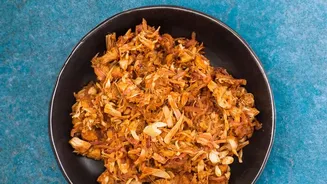
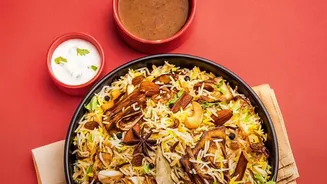
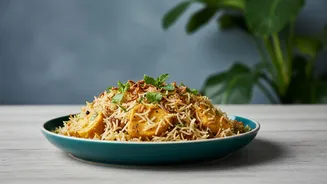
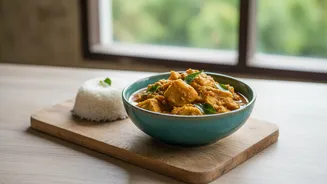
Perhaps the biggest catalyst for jackfruit’s recent fame is its incredible versatility as a meat substitute. When unripe, jackfruit has a neutral taste and a fibrous, stringy texture that remarkably mimics pulled pork or chicken. This unique quality allows it to absorb the rich spices of Indian cooking, making it a perfect base for a wide array of savoury dishes. Home cooks are exploring its potential far beyond traditional recipes, using it to create everything from flavourful biryanis and kebabs to contemporary dishes like jackfruit burgers and tacos. This adaptability makes it an exciting ingredient for vegetarians, vegans, and even meat-eaters looking to reduce their consumption.
Nostalgia on the Menu
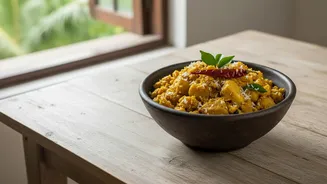
The renewed interest in jackfruit is also a powerful expression of culinary nostalgia. The act of preparing a jackfruit—a famously laborious but rewarding task—is often a shared family activity, bringing generations together in the kitchen. In a fast-paced world, recreating traditional dishes like 'chakka puzhukku' (a savoury mash) or 'chakka varattiyathu' (a sweet preserve) is a way to slow down and reconnect with one's roots. This return to heritage recipes is not just about flavour; it's about preserving cultural identity and passing down a taste of home to the next generation, a sentiment that has grown stronger in recent years.
From Backyard to Global Stage
In 2018, Kerala officially declared jackfruit its state fruit, acknowledging its profound cultural and economic significance. This recognition, coupled with its rising global demand, has sparked a renaissance. While classic preparations remain beloved, there is a clear trend towards innovation. Home cooks and chefs are experimenting with both ripe and raw forms, creating a diverse menu that includes everything from jackfruit seed stir-fries to decadent desserts like 'chakka pradhaman'. The availability of processed forms like jackfruit flour and vacuum-packed chunks has also made it easier than ever to enjoy this versatile fruit year-round, ensuring its place in the modern Keralan kitchen.