



A strong, well-defined back is a cornerstone of a powerful physique and good posture. Yet many gym-goers undermine their efforts by using momentum. The seated row, when done correctly, is the perfect exercise to build real strength, not just move weight.
The Anatomy of a Seated Row
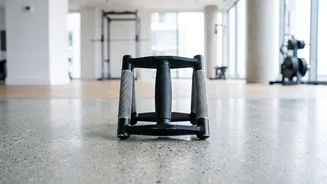
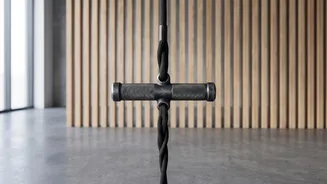
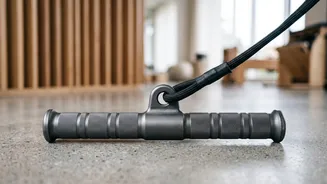
The seated row is a compound exercise, meaning it works multiple muscle groups at once, making it incredibly efficient. It is typically performed on a cable machine with a bench and footplates. The primary muscles targeted are in your middle and upper back, including the latissimus dorsi (lats), rhomboids, and trapezius. These are the crucial muscles responsible for pulling your shoulder blades together, supporting your spine, and creating a strong, upright posture. Secondary muscles like the biceps and rear deltoids also get a great workout.
Why Momentum Is Your Enemy
The biggest mistake people make with rows is loading the machine with too much weight and then using their entire body to swing the handle back. This rocking motion, or momentum, takes the tension off the target back muscles and places it on the lower back, increasing the risk of injury. It cheats you out of the real benefits of the exercise because the muscles are not under controlled tension. True strength is built by making the muscle do the work, not by using a jerky, swinging motion to complete the rep. If you find yourself leaning back significantly or yanking the weight, it's a clear sign to reduce the load.
A Step-by-Step Guide to Perfect Form
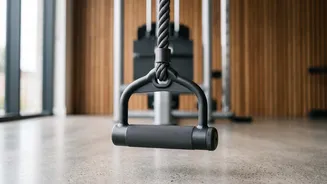
To get the most out of your seated row and avoid injury, mastering the form is essential. Start by selecting a weight that you can control for 10-15 repetitions.n n1. The Setup: Sit on the bench with your knees slightly bent and feet firmly on the footplates. Sit tall with a straight, neutral spine and your chest up. Grasp the handle with your arms fully extended.n n2. The Pull: Brace your core. Initiate the movement by pulling your shoulder blades back and together, as if you're trying to pinch a pencil between them. Then, drive your elbows back past your sides, pulling the handle towards your belly button. Keep your torso upright and avoid shrugging your shoulders up towards your ears.n n3. The Squeeze: At the peak of the movement, pause for a second and focus on squeezing your back muscles. This mind-muscle connection is key to maximising muscle activation.n n4. The Return: Slowly and with control, extend your arms back to the starting position. Resist the weight on the way back; this eccentric part of the movement is just as important for building strength.
Common Mistakes to Avoid
Beyond using momentum, there are a few other common errors to watch out for. Rounding your back is a major one; it puts your spine at risk and takes the focus off the target muscles. Always keep your chest proud and your back straight. Another mistake is letting your shoulders shrug up. This engages your traps too much and can lead to neck tension. Finally, avoid pulling with your arms. Think of your hands as simple hooks and focus on driving the movement with your back and elbows. This ensures your lats and rhomboids are doing the majority of the work.
The Rewards of a Proper Row
Dedicating time to mastering the seated row pays huge dividends. Firstly, it builds a stronger, more muscular back. This is not just about aesthetics; a strong back is fundamental for overall strength and injury prevention in other lifts and daily activities like carrying groceries or lifting objects. Secondly, it is one of the best exercises for improving posture. By strengthening the muscles that retract the shoulder blades, it directly counteracts the slumped-over posture many people develop from long hours at a desk. This can help alleviate upper back and neck tension, leading to less pain and discomfort in your daily life.